
Reverse Osmosis Water Treatment: How It Works
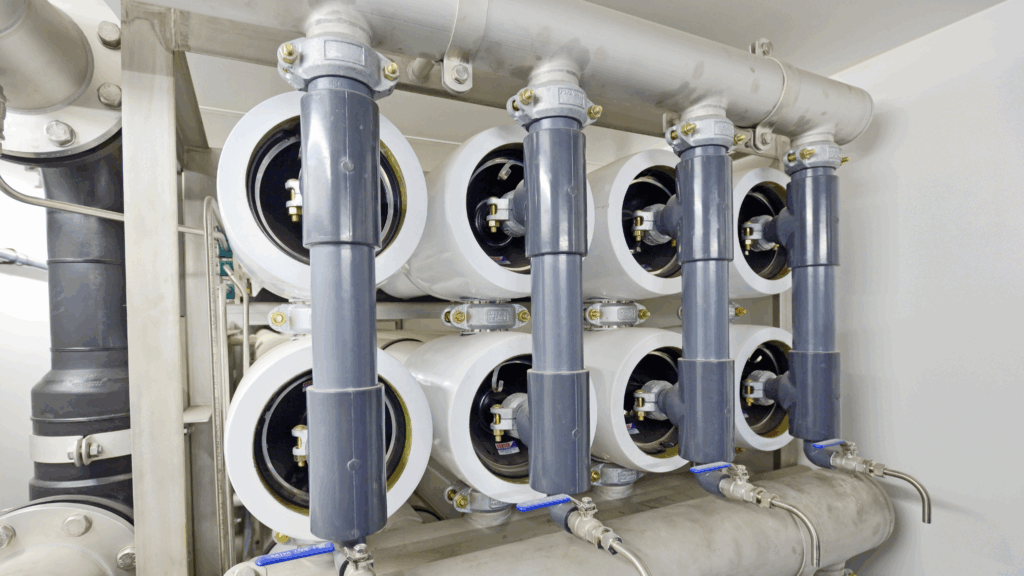
Reverse osmosis water treatment is one of the most widely used methods for producing high quality water in industrial and commercial systems. Reverse osmosis systems remove dissolved salts, total dissolved solids, and many contaminants by forcing water through a semi permeable membrane under pressure. For operators, understanding how reverse osmosis works is not just theory. […]
Common Glycol Uses in HVAC and Industrial Cooling
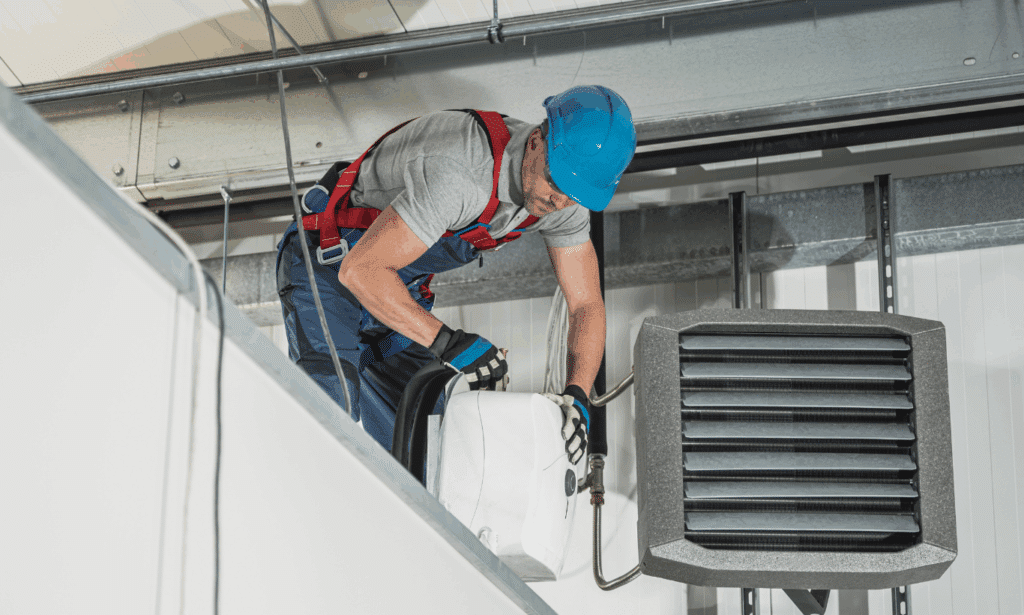
Glycol uses are widely associated with freeze protection, heat transfer, and system reliability across HVAC systems and industrial applications. In water treatment and facility operations, glycol is not just a chemical. It is a working fluid that directly affects system performance, energy efficiency, and long term equipment life. For operators, understanding glycol uses means understanding […]
Water Treatment Sensors for Monitoring Water Quality
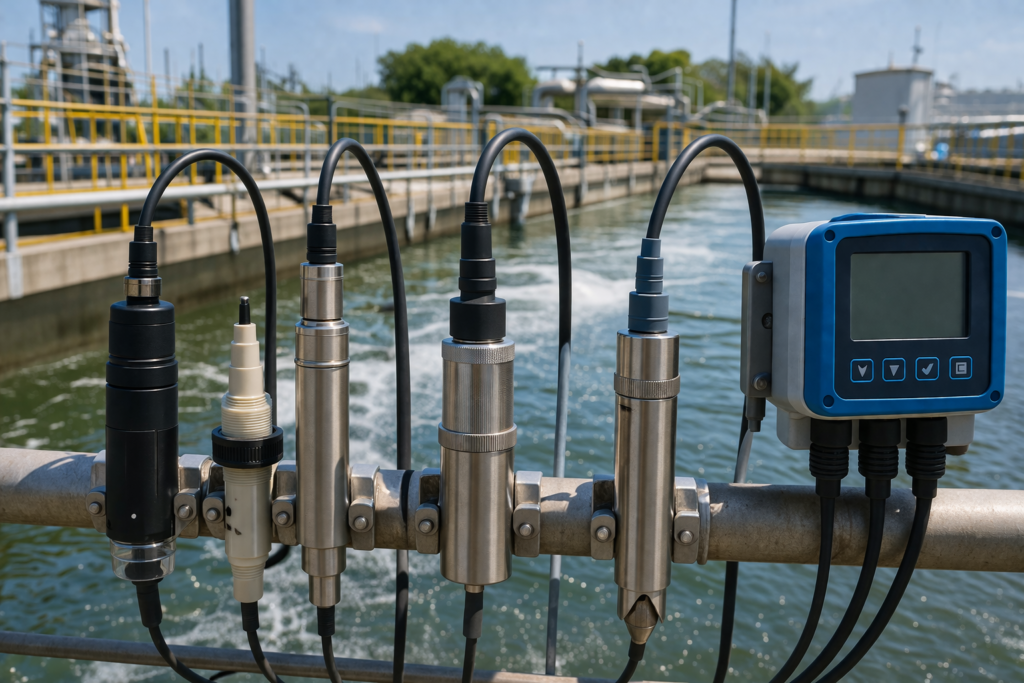
Water treatment sensors are essential tools used to monitor water quality in real time across industrial facilities, drinking water systems, and wastewater treatment operations. These sensors provide continuous measurements of key parameters such as pH, conductivity, dissolved oxygen, chlorine, and turbidity so operators can control processes and maintain stable conditions. For facility managers and operators, […]
Total Dissolved Solids (TDS): What They Are and Why They Matter
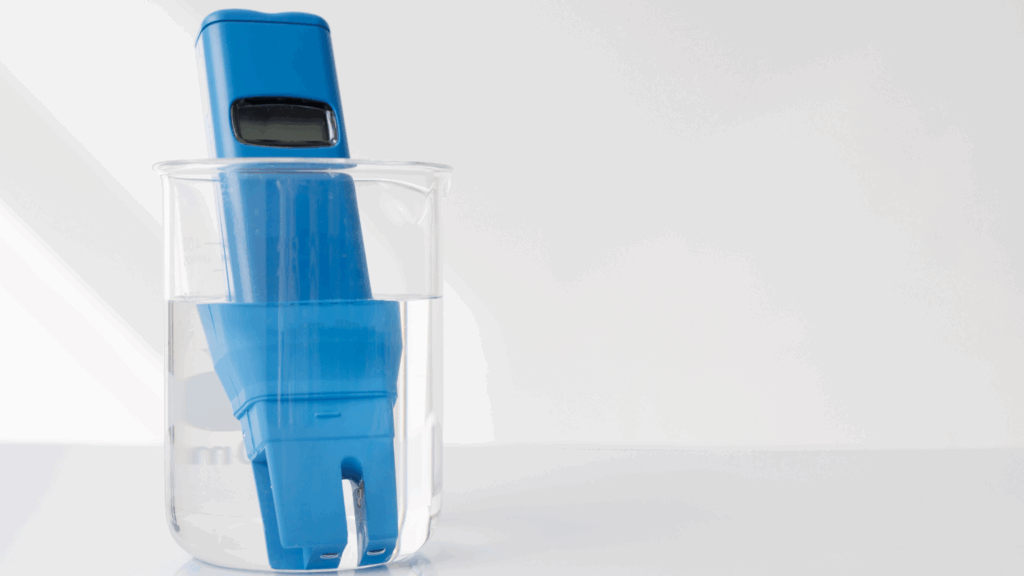
Total dissolved solids (TDS) refers to the combined amount of dissolved substances found in water, including inorganic salts, organic compounds, and dissolved ions. In both industrial water systems and drinking water applications, total dissolved solids play a critical role in determining water quality, system performance, and long-term equipment reliability. For operators and facility managers, understanding […]
Types of Steam Boilers Used in Industrial Facilities
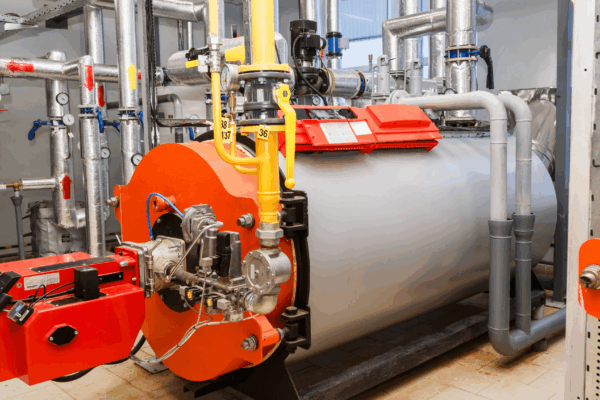
Understanding the types of steam boilers used in industrial facilities is essential for selecting the right boiler system, maintaining boiler efficiency, and supporting reliable steam production. Different steam boilers are designed around how heat transfer occurs, how pressure is generated, and how fuel is used to produce steam for industrial processes. For operators, choosing between […]
What Does a Water Treatment Company Do for Industrial Facilities?
A water treatment company helps facilities maintain water quality, protect equipment, and keep water systems operating efficiently. In industrial and commercial environments, water treatment is tied directly to system performance, maintenance costs, and regulatory compliance. A well-designed water treatment program reduces contaminants, controls corrosion and scale, and supports reliable operation across cooling towers, boilers, and […]
Building Automation Systems and Their Role in Water Management
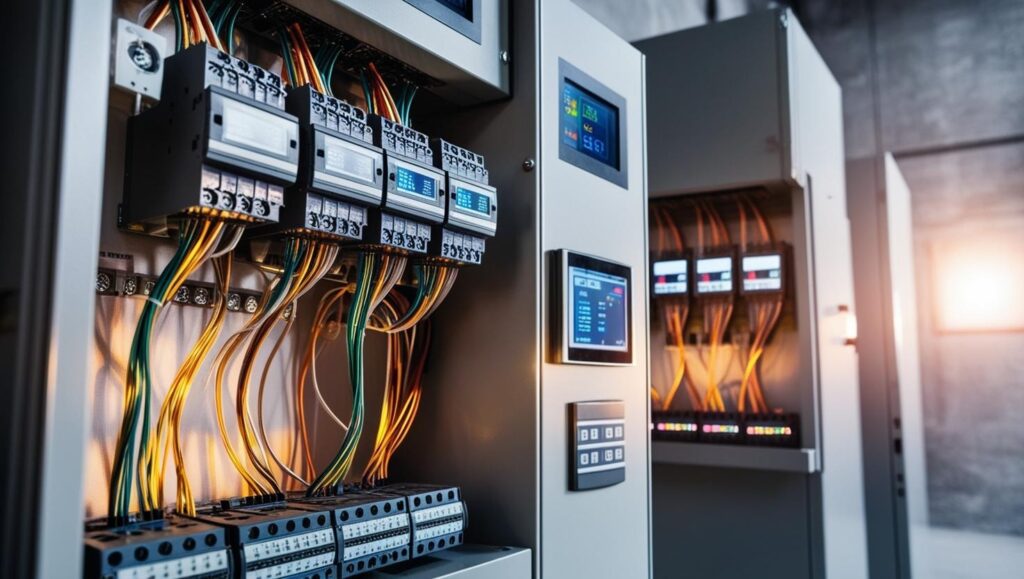
Building automation systems are no longer limited to HVAC lighting or energy management. In modern facilities, building automation plays a direct role in how water systems operate, how water quality is maintained, and how efficiently resources are used across cooling towers, boilers, and building water systems. For facility managers, building automation systems provide a centralized […]
Chlorine Injection Pumps for Water Treatment Systems
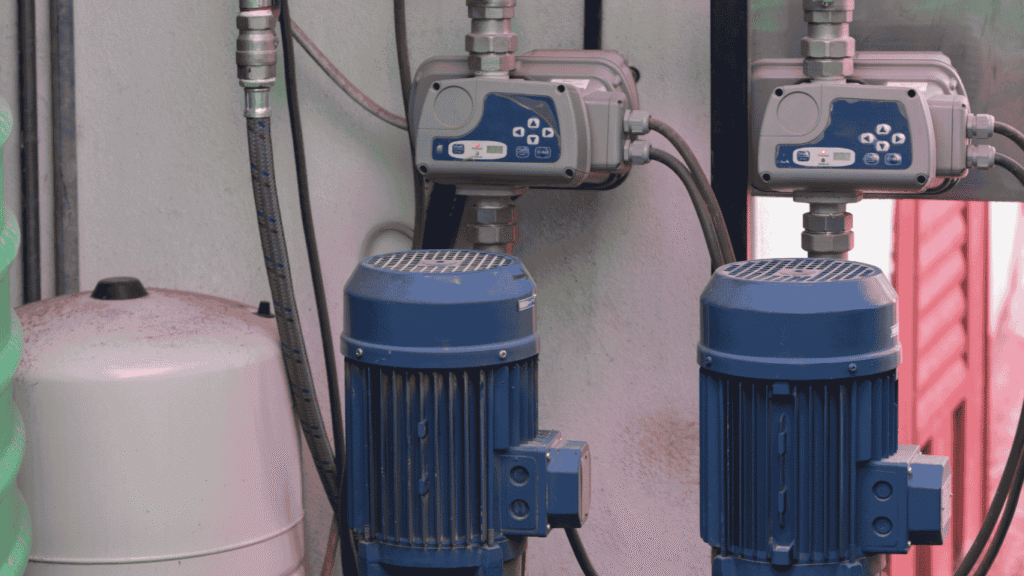
A chlorine injection pump is a critical component in many water treatment systems used to control bacteria, oxidize contaminants, and maintain safe water quality. Whether applied in well water systems, industrial processes, or cooling towers, a properly designed chlorine injection system ensures consistent chlorine dosing and reliable system performance. For operators, the goal is not […]
What Is a Cogeneration Plant? How CHP Systems Work
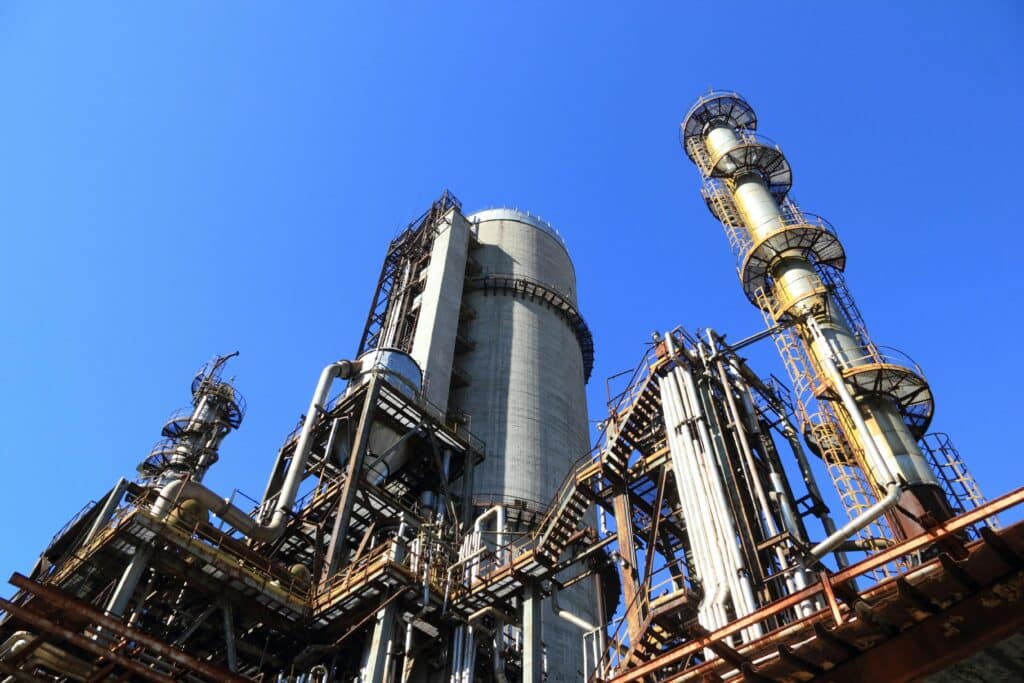
A cogen plant, also known as a cogeneration plant or combined heat and power (CHP) system, is designed to generate electricity and useful thermal energy from a single fuel source. Instead of wasting heat like traditional power plants, cogeneration systems capture and reuse that thermal energy for industrial processes, space heating, or hot water. For […]
What Is Glycol? Uses in HVAC, Industrial Cooling, and Freeze Protection
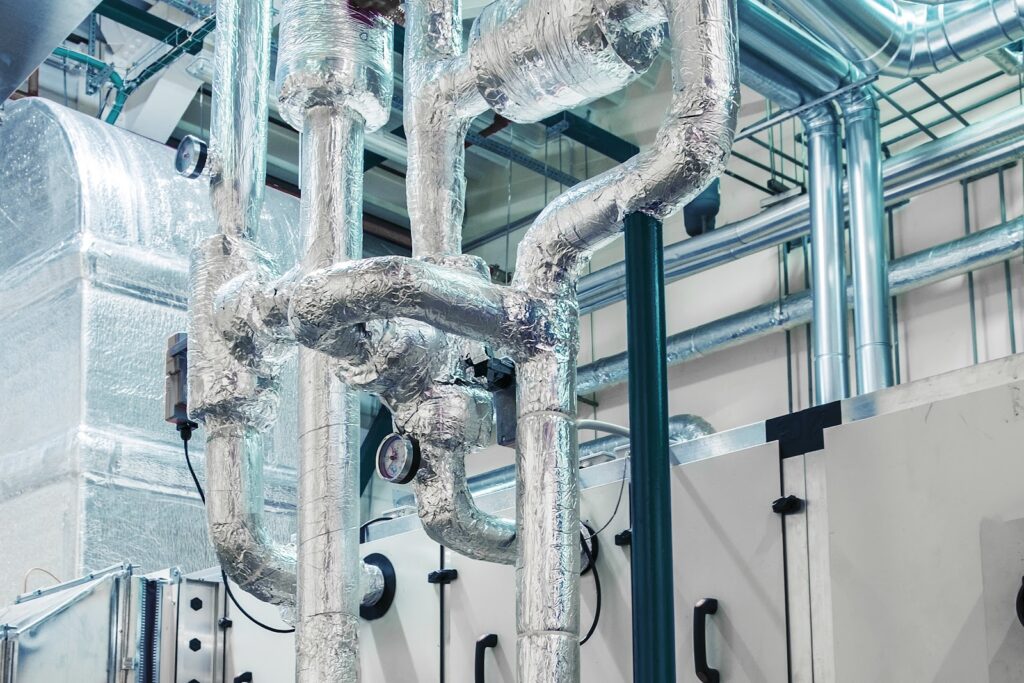
Glycol is a class of organic compounds widely used as antifreeze agents and heat transfer fluids in HVAC systems, cooling systems, and industrial applications. When operators ask what is glycol, the practical answer is simple: glycol is used to prevent freezing, move heat, and protect system components in closed loop systems where temperature control matters. […]
