
A cogen plant, also known as a cogeneration plant or combined heat and power (CHP) system, is designed to generate electricity and useful thermal energy from a single fuel source. Instead of wasting heat like traditional power plants, cogeneration systems capture and reuse that thermal energy for industrial processes, space heating, or hot water.
For industrial facilities and commercial buildings, cogeneration plants offer a more energy efficient way to produce both electricity and heat while reducing energy costs and lowering greenhouse gas emissions.
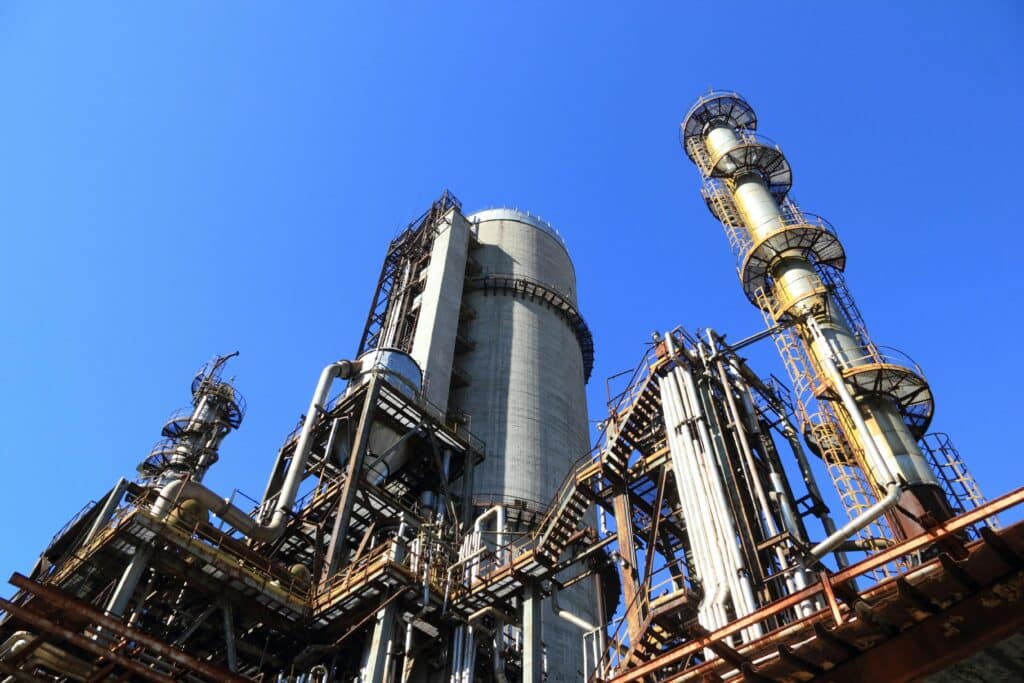
What Is a Cogeneration Plant?
A cogeneration plant produces both electricity and usable heat from the same energy source. In conventional power plants, a large portion of energy is lost as waste heat. In a cogen plant, that waste heat is captured and reused, improving overall energy efficiency.
Cogeneration systems are commonly powered by natural gas, although other fuels such as biomass or other fossil fuels can be used depending on the application.
The key advantage of a cogeneration plant is the simultaneous generation of electrical power and thermal energy, making it a cost effective and efficient solution for facilities with both electricity and heat demand.
How Cogeneration Plants Work
Cogeneration plants work by using a primary energy source to drive a generator that produces electricity. The heat produced during this process is then captured and reused.
Typical process flow:
- Fuel such as natural gas powers a gas turbine or reciprocating engine
- Mechanical energy drives a generator to produce electrical energy
- Waste heat from exhaust gases is captured through heat recovery systems
- Recovered heat is used to produce steam or hot water
- Thermal energy is used for process heat, space heating, or other applications
This process is often referred to as the cogeneration process or combined heat and power (CHP).
Main Components of a Cogen Plant
Cogeneration plants include several key components:
- Gas turbines or reciprocating gas engines
- Heat recovery steam generators
- Steam turbine (in some configurations)
- Heat exchanger systems
- Electrical generation equipment
These components work together to maximize heat recovery and improve thermal efficiency.
Types of Cogeneration Systems
Cogeneration systems can be configured in several ways depending on application and energy demand.
| System Type | Description | Typical Use |
|---|---|---|
| Topping cycle plants | Generate electricity first, then use heat produced | Industrial plants, commercial buildings |
| Bottoming cycle systems | Use high temperature heat from industrial processes to generate power | Chemical plants, manufacturing |
| Combined cycle systems | Combine gas turbines and steam turbines for higher efficiency | Large scale power systems |
Each configuration is designed to match the heat demand and electrical load of the facility.
Common Equipment Used in Cogeneration
Gas Turbines
Gas turbines are widely used in cogeneration plants due to their efficiency and ability to generate electricity from natural gas.
Reciprocating Engines
Reciprocating gas engines and internal combustion engines are used in smaller cogeneration units and provide flexibility for varying loads.
Heat Recovery Systems
Heat recovery steam generators capture heat from exhaust gases and convert it into usable steam or hot water.
Advantages of Cogeneration Plants
Cogeneration systems offer several benefits compared to conventional power plants:
- Higher overall energy efficiency
- Lower energy costs due to reduced fuel consumption
- Reduced greenhouse gas emissions and carbon emissions
- Ability to generate electricity and heat on-site
- Reduced reliance on the electric power grid
By capturing waste heat, cogeneration plants improve primary energy savings and reduce the environmental footprint of industrial operations.
Applications of Cogeneration Systems
Cogeneration plants are used across a wide range of industries and facilities:
- Industrial plants and manufacturing facilities
- Chemical plants
- Commercial buildings
- District heating systems
- Power plants and large energy facilities
They are particularly effective in environments where both electricity and process heat are required.
Cogeneration vs Traditional Power Plants
| Factor | Traditional Power Plants | Cogeneration Plants |
|---|---|---|
| Energy efficiency | Lower | Higher overall energy efficiency |
| Waste heat | Lost to environment | Captured and reused |
| Fuel use | Higher | Lower primary energy use |
| Environmental impact | Higher emissions | Reduced carbon emissions |
Cogeneration plants improve efficiency by using energy that would otherwise be wasted.
Energy Efficiency and Environmental Benefits
One of the main advantages of CHP systems is improved energy efficiency. By using both electricity and thermal energy, cogeneration systems reduce energy losses and increase usable output.
This leads to:
- Lower greenhouse gas emissions
- Reduced energy consumption
- Improved environmental sustainability
- Lower operating costs
These benefits make cogeneration a key part of sustainable energy strategies.
Integration with Industrial Processes
In many industrial processes, heat is already required for operations such as steam generation, drying, or chemical reactions. Cogeneration systems integrate directly into these processes, using recovered heat to support production.
This improves system performance and reduces the need for separate heating systems.
Operational Considerations
While cogeneration plants offer advantages, proper system design and operation are essential.
Facilities must consider:
- Heat demand vs electrical load balance
- Fuel availability and cost
- Maintenance requirements
- System integration with existing infrastructure
Proper planning ensures maximum efficiency and long-term reliability.
FAQ: Cogeneration Plants
What is a cogen plant?
A cogen plant is a system that produces both electricity and thermal energy from a single fuel source.
What is combined heat and power?
Combined heat and power (CHP) refers to the simultaneous generation of electricity and usable heat.
Why are cogeneration systems more efficient?
They capture waste heat that would otherwise be lost, increasing overall energy efficiency.
What fuel is commonly used in cogeneration?
Natural gas is the most common fuel used in cogeneration plants.
Where are cogeneration plants used?
They are used in industrial plants, commercial buildings, and district heating systems.
Support Efficient Industrial Systems
Cogeneration plants play an important role in improving energy efficiency and reducing operating costs in industrial facilities. While Aquatrol focuses on water treatment, systems such as boilers, cooling towers, and heat exchangers must operate efficiently alongside energy systems like CHP.
Proper water treatment supports reliable operation of these systems by maintaining heat transfer efficiency and preventing scaling and corrosion.
If your facility operates boilers, cooling systems, or heat recovery equipment connected to a cogeneration plant, contact one of our experts to review your water treatment program.
