
A chlorine injection pump is a critical component in many water treatment systems used to control bacteria, oxidize contaminants, and maintain safe water quality. Whether applied in well water systems, industrial processes, or cooling towers, a properly designed chlorine injection system ensures consistent chlorine dosing and reliable system performance.
For operators, the goal is not just adding chlorine. The goal is delivering a precise amount of chemical at the right point in the system to achieve effective water disinfection while minimizing chemical wastage and maintaining safety.
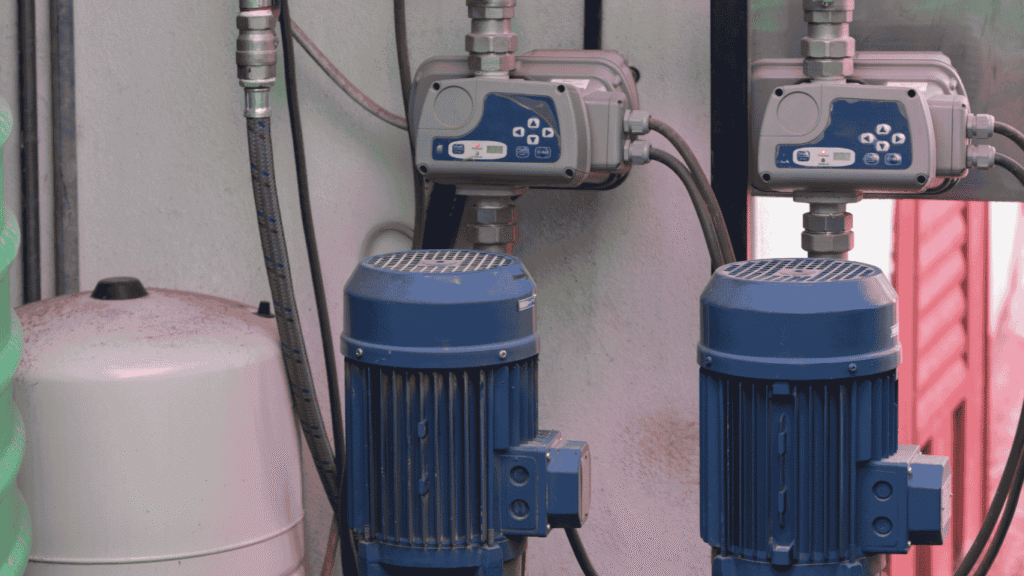
What Is a Chlorine Injection Pump?
A chlorine injection pump is a type of metering pump designed to deliver controlled amounts of chlorine or chlorine-based chemicals into a water system. These pumps are part of a broader chlorine injection system that includes a chemical storage tank, tubing, injection points, and controls tied to water flow.
Common chemicals used include sodium hypochlorite and, in some applications, chlorine dioxide. The pump draws chemical from the tank and injects it into the water stream at a rate matched to system flow rates and treatment requirements.
How Chlorine Injection Systems Work
A typical chlorine injection system operates by linking the injection pump to system flow so that dosing is proportional to water usage. This ensures precise chlorine dosing and consistent chlorine residual throughout the system.
Basic operation steps:
- Water flow is measured using a water meter or flow switch
- The injection pump activates based on flow
- Chlorine is drawn from the tank through tubing
- The chemical is injected into the water line at a controlled rate
- Chlorine mixes and reacts within the system to treat contaminants
This process allows operators to maintain water quality across different applications and changing flow conditions.
Types of Chlorine Injection Pumps
There are several types of chlorine dosing pumps used depending on system size and application.
| Pump Type | Description | Typical Use |
|---|---|---|
| Diaphragm metering pump | Uses a diaphragm and motor to deliver precise dosing | Industrial water treatment systems |
| Peristaltic pump | Uses rollers to compress tubing and move fluid | Smaller systems, residential and light commercial |
| Peristaltic metering pump | Combines precision with simple design | Applications requiring minimal maintenance |
Each type of injection pump offers advantages depending on flow rates, chemical usage, and system requirements.
Applications of Chlorine Injection Systems
Chlorine injection is used across a wide range of water systems.
Well Water Treatment
In well water systems, chlorine injection is commonly used to:
- Remove hydrogen sulfide odors
- Oxidize iron and manganese
- Control bacteria in well water
Industrial Applications
In industrial processes, chlorine injection systems support water treatment needs such as:
- Cooling towers
- Process water systems
- Filtration systems
Residential Systems
In residential systems, chlorine pumps are used for clean water production and contaminant control.
Importance of Precise Chlorine Dosing
Accurate dosing is critical to system performance. Too little chlorine can result in ineffective treatment, while too much chlorine increases chemical usage and safety risks.
Precise chlorine dosing helps:
- Maintain proper chlorine residual
- Reduce chemical wastage
- Improve water quality
- Support optimal performance of water systems
A properly calibrated chlorine dosing pump ensures that the precise amount of chlorine is delivered based on system demand.
Key Factors Affecting System Performance
Several factors influence the effectiveness of a chlorine injection system:
- Water flow and flow rates
- Chemical concentration in the tank
- Injection point location
- Mixing and contact time
- Water chemistry and contaminants present
Operators must adjust system settings based on these factors to maintain consistent treatment.
Installation and Setup Considerations
Proper installation is essential for reliable operation.
Key considerations include:
- Selecting the correct injection pump size based on gallons per day
- Installing injection points downstream of the pump
- Ensuring proper tubing and hose connections
- Positioning the tank and pump for easy maintenance
Systems should be equipped with controls that allow adjustment of dosing rates and monitoring of performance.
Maintenance and Troubleshooting
Routine maintenance helps ensure long-term reliability of chlorine injection pumps.
Common maintenance tasks:
- Inspect tubing and replace worn components
- Clean injection points to prevent clogging
- Verify calibration and dosing accuracy
- Monitor pump motor and operating conditions
Common issues include:
- Inconsistent dosing due to air in lines
- Reduced flow from clogged tubing
- Pump wear leading to inaccurate dosing
Regular maintenance helps prevent downtime and ensures consistent operation.
Benefits of Chlorine Injection Systems
A properly designed chlorine injection system provides several advantages:
- Reliable water disinfection and bacteria control
- Effective oxidation of iron and manganese
- Reduced chemical usage through precise dosing
- Improved safety and system control
- Cost savings through minimized chemical wastage
These systems are widely used because they provide a practical and scalable solution for water treatment across different applications.
Supporting Sustainable Water Treatment
Chlorine injection systems also support sustainable practices by optimizing chemical usage and reducing waste. By delivering only the required amount of chlorine, facilities can reduce environmental impact and improve overall efficiency.
FAQ: Chlorine Injection Pumps
What is a chlorine injection pump used for?
A chlorine injection pump is used to deliver controlled amounts of chlorine into a water system for disinfection and contaminant control.
How does a chlorine injection system work?
It uses a metering pump connected to water flow to inject chlorine at a rate proportional to system demand.
What chemicals are used in chlorine injection?
Common chemicals include sodium hypochlorite and, in some cases, chlorine dioxide.
How do you size a chlorine injection pump?
Pump size depends on flow rates, gallons per day, and the required chlorine concentration.
How often should chlorine pumps be maintained?
Regular inspection and calibration are recommended to ensure accurate dosing and reliable operation.
Maintain Reliable Water Treatment Performance
A chlorine injection pump is a key part of maintaining clean water and effective treatment in many systems. Proper design, installation, and maintenance ensure that chlorine dosing remains consistent and effective.
Aquatrol works with facilities to design and maintain chlorine injection systems tailored to specific water treatment needs.
If your system requires evaluation or improvement, contact one of our experts to review your water treatment system.
