
Glycol is a class of organic compounds widely used as antifreeze agents and heat transfer fluids in HVAC systems, cooling systems, and industrial applications. When operators ask what is glycol, the practical answer is simple: glycol is used to prevent freezing, move heat, and protect system components in closed loop systems where temperature control matters.
In water treatment and facility operations, glycol solutions are commonly mixed with water to create a stable fluid that can circulate through a closed loop water system. This allows systems to operate in low temperature environments without the risk of freeze ups, while still supporting heat transfer and system performance.
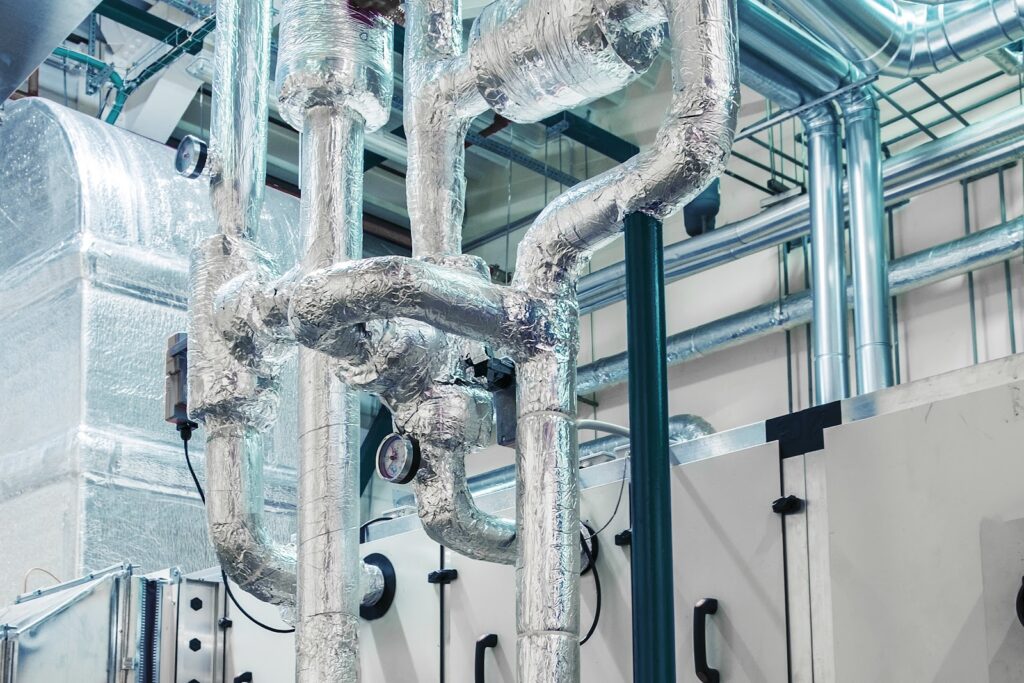
What Is Glycol?
Chemically, glycol refers to a group of organic compounds in the alcohol family that contain two hydroxyl groups. These compounds typically have two carbon atoms with hydroxyl groups attached, which gives them unique properties such as low volatility and the ability to retain moisture.
The two most common types of glycol used in HVAC systems and industrial settings are ethylene glycol and propylene glycol.
- Ethylene glycol is widely used in industrial applications and automotive antifreeze because of its strong thermal performance and lower cost.
- Propylene glycol is considered a safer alternative and is commonly used in food processing, pharmaceutical products, and applications where exposure risks must be minimized.
Both are odorless liquid compounds that can be mixed with water to create glycol solutions tailored to specific system requirements.
Types of Glycol and Where They Are Used
| Type of Glycol | Common Uses | Key Advantages | Limitations |
|---|---|---|---|
| Ethylene glycol | Industrial cooling, HVAC systems, automotive antifreeze | Better heat transfer, lower cost | Toxic, environmental risks if released |
| Propylene glycol | Food processing, beverage systems, HVAC | Food grade, generally recognized as safe in certain uses | Lower thermal performance |
Propylene glycol is often selected in food products, beverage systems, and oral hygiene products where safety matters. Ethylene glycol is more common in industrial settings where performance and cost are the primary factors.
What Is Glycol Used for in HVAC Systems
In HVAC systems, glycol serves as a heat transfer fluid that prevents freezing and supports stable operation in cooling and heating systems. Glycol is used in closed loop systems where water alone would freeze under cold weather conditions.
Glycol plays a critical role in:
- Preventing freeze ups in low temperature environments
- Supporting heat transfer in refrigeration systems and chillers
- Maintaining consistent temperatures in process and comfort cooling
- Protecting system components from damage
In many HVAC solutions, glycol concentration is adjusted based on the freezing point of water and the desired freeze protection level.
For a deeper look at HVAC-specific use, see our guide on what glycol is used for in HVAC.
Glycol in Industrial Cooling and Heat Transfer
Glycol is widely used in industrial applications as a heat transfer fluid. In cooling systems and heat exchangers, glycol solutions absorb heat and transfer it to a secondary system where it can be removed.
This is common in:
- Industrial cooling systems
- Refrigeration systems
- Process cooling applications
- Closed loop water systems
Because glycol can remain liquid below the freezing point of water, it allows systems to operate reliably even in extreme conditions.
However, glycol can reduce heat transfer efficiency compared to pure water. This makes proper system design and glycol concentration an important factor in maintaining performance.
Freeze Protection and Glycol Concentration
The primary reason glycol is used is to prevent freezing. By lowering the freezing point of water, glycol solutions allow systems to operate safely in cold environments.
Key considerations include:
- Glycol concentration determines the freezing point
- Too little glycol increases freezing risk
- Too much glycol can reduce heat transfer and increase viscosity
Operators must balance glycol levels to achieve the desired freeze protection level while maintaining system efficiency.
Physical Properties and Performance Impact
Glycol has several physical properties that affect system performance:
- Higher viscosity than water, which can increase pumping requirements
- Lower heat transfer capability compared to water
- Ability to retain moisture and remain stable across temperature ranges
- Thermal stability under a range of operating conditions
These properties make glycol effective but require careful management to avoid performance issues.
Other Uses of Glycol
Beyond HVAC and cooling systems, glycol is used in a wide range of applications:
- Automotive antifreeze and deicing solutions
- Hydraulic fluids and brake fluids
- Chemical intermediate in manufacturing processes
- Polyester fibers and industrial products
In some cases, glycol is also used as a solvent or additive in food products and pharmaceutical products, particularly propylene glycol which is recognized as safe in certain applications.
Environmental and Safety Considerations
Glycol use comes with environmental considerations and exposure risks. Ethylene glycol can be harmful to aquatic life if released into the environment, while propylene glycol is less toxic but still requires proper handling.
Facilities should consider:
- Proper disposal practices
- Monitoring for leaks and contamination
- Environmental impact and regulatory requirements
- Protecting workers from exposure to toxic substances
Environmental responsibility is an important factor when selecting and managing glycol systems.
Maintenance and Monitoring of Glycol Systems
To maintain system performance, glycol systems require regular monitoring and maintenance.
Key practices include:
- Testing glycol levels and concentration
- Monitoring inhibitor levels for corrosion protection
- Checking for degraded glycol and fluid breakdown
- Maintaining proper system balance
Proper maintenance helps extend equipment life, improve system efficiency, and prevent costly failures.
How Glycol Compares to Other Fluids
| Factor | Water | Glycol Solution |
|---|---|---|
| Heat transfer | Higher efficiency | Reduced heat transfer |
| Freezing point | 32°F | Lower depending on concentration |
| Viscosity | Lower | Higher |
| Use case | General cooling | Freeze protection and low temperature systems |
This comparison highlights why glycol is used even though it can reduce heat transfer performance.
FAQ: Glycol in HVAC and Industrial Systems
What is glycol used for in HVAC?
Glycol is used in HVAC systems to prevent freezing and support heat transfer in closed loop systems.
What is the difference between propylene glycol and ethylene glycol?
Propylene glycol is less toxic and used in food-related applications, while ethylene glycol provides better thermal performance but has higher toxicity.
How does glycol prevent freezing?
Glycol lowers the freezing point of water, allowing systems to operate in cold environments without freezing.
Does glycol reduce system efficiency?
Yes, glycol can reduce heat transfer efficiency compared to water, especially at higher concentrations.
How often should glycol systems be tested?
Glycol systems should be tested regularly to monitor concentration, inhibitor strength, and overall performance.
Maintain Reliable Glycol System Performance
Understanding what is glycol and how it is used helps operators maintain reliable system performance and prevent freeze-related damage. Glycol is an essential part of many HVAC and industrial systems, but it must be managed carefully to balance performance, efficiency, and safety.
Aquatrol works with facilities to monitor glycol systems, maintain proper concentrations, and improve system performance across a range of applications.
If your system needs evaluation or optimization, contact Aquatrol today to review your water treatment and glycol program.
