
Total dissolved solids (TDS) refers to the combined amount of dissolved substances found in water, including inorganic salts, organic compounds, and dissolved ions. In both industrial water systems and drinking water applications, total dissolved solids play a critical role in determining water quality, system performance, and long-term equipment reliability.
For operators and facility managers, understanding total dissolved solids is not just about water testing. It directly impacts scale buildup, corrosion, filtration requirements, and overall water treatment strategy.
What Are Total Dissolved Solids?
Total dissolved solids (TDS) are made up of dissolved ionized solids such as calcium and magnesium salts, sodium, chlorides, sulfates, and other organic and inorganic materials. These dissolved solids enter water as it flows through natural environments or man-made systems.
As water flows underground or across surfaces, it encounters soluble material and absorbs minerals, creating total dissolved solids. These dissolved particles remain in liquid form and cannot be removed by simple filtration without specialized treatment.
Common sources of TDS include:
- Natural water springs and mineral-rich environments
- Agricultural runoff and urban runoff
- Industrial wastewater discharge
- Municipal water supply systems
Why Total Dissolved Solids Matter
Total dissolved solids directly affect water quality and system performance. In drinking water, TDS influences taste, clarity, and overall suitability for human consumption.
In industrial water systems, TDS levels affect:
- Scale buildup in hot water pipes and heat exchangers
- Corrosion potential in metal systems
- Efficiency of water treatment systems
- Performance of boilers and cooling towers
High TDS levels can lead to mineral deposits, reduced efficiency, and increased maintenance requirements.
TDS Levels and Water Quality
TDS levels are typically measured in parts per million (ppm) and provide an indication of the concentration of dissolved solids in water.
General TDS Ranges
| TDS Level (ppm) | Water Quality Impact |
|---|---|
| 0–50 | Very low TDS, may taste flat |
| 50–300 | Ideal range for drinking water |
| 300–500 | Acceptable for most uses |
| 500–1000 | Elevated TDS, may affect taste |
| 1000+ | High TDS, potential scaling and contamination issues |
According to the Environmental Protection Agency (EPA) and World Health Organization (WHO), TDS is an important indicator of drinking water quality, though not all dissolved solids are harmful.
High TDS vs Low TDS Water
High TDS Water
High TDS water contains elevated concentrations of dissolved solids and may result in:
- Scale buildup in equipment
- Bitter tap water or unusual taste
- Staining of fixtures
- Increased wear on water systems
Low TDS Water
Low TDS water, while often considered “pure water,” can sometimes lack essential mineral content. In some cases, very low TDS water may taste flat or require mineral additives.
The goal is not always to eliminate TDS completely, but to maintain balanced TDS concentrations suitable for the application.
How to Measure Total Dissolved Solids
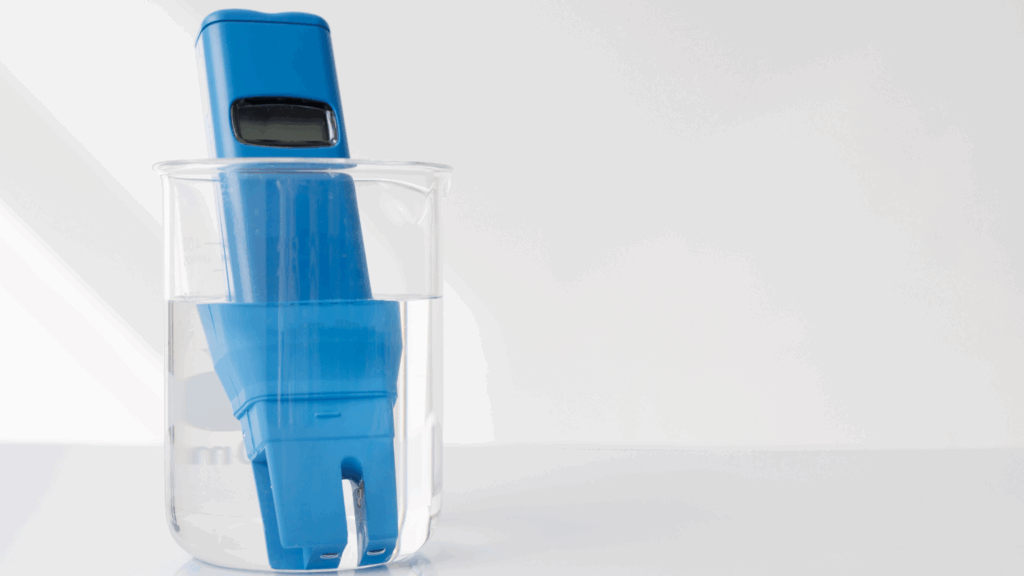
TDS is measured using a TDS meter, which estimates total dissolved solids based on electrical conductivity. Dissolved ions in water conduct electricity, and the meter converts this measurement into TDS readings.
Common tools include:
- TDS meter for quick readings
- Home water test kit for basic analysis
- Laboratory testing for detailed water quality data
Measuring TDS regularly helps operators track water quality and identify changes in system conditions.
TDS and Industrial Water Systems
In industrial applications, elevated TDS levels can impact system performance and lead to operational issues.
Boilers
High TDS levels in boiler water can cause scale buildup, reduce heat transfer, and increase energy consumption.
Cooling Systems
In cooling towers, TDS levels rise as water evaporates, concentrating dissolved solids. This requires blowdown control to maintain acceptable levels.
Filtration Systems
TDS levels influence the selection of filtration systems and treatment methods.
Methods to Reduce Total Dissolved Solids
Reducing TDS requires advanced water treatment methods rather than simple filtration.
Reverse Osmosis
Reverse osmosis is one of the most effective methods to reduce total dissolved solids. A reverse osmosis system uses a semi-permeable membrane to remove dissolved ions and contaminants.
Ion Exchange
Ion exchange systems remove specific ions such as calcium and magnesium to reduce hardness and improve water quality.
Filtration Systems
While standard filtration systems remove suspended solids, specialized filtration is needed to properly filter TDS.
An effective filtration system combined with advanced treatment helps maintain water quality and reduce contaminants.
Environmental and Health Considerations
Total dissolved solids can affect both environmental health and human consumption.
High TDS water may indicate the presence of harmful contaminants or toxic particles, especially in industrial wastewater or contaminated sources.
Maintaining proper TDS levels helps:
- Protect plant and animal life
- Ensure safe drinking water
- Support regulatory compliance
TDS and Water Treatment Strategy
Managing total dissolved solids is a key part of any water treatment program. Facilities must monitor TDS levels, analyze trends, and adjust treatment processes accordingly.
Effective water treatment strategies include:
- Monitoring TDS readings regularly
- Implementing appropriate filtration and reverse osmosis systems
- Controlling scale buildup and corrosion
- Adjusting chemical treatment based on water quality data
Frequently Asked Questions
What is total dissolved solids (TDS)?
Total dissolved solids refers to the concentration of dissolved ions, minerals, and organic compounds in water.
How do you measure TDS?
TDS is measured using a TDS meter that estimates dissolved solids based on electrical conductivity.
Is high TDS water harmful?
High TDS water may indicate the presence of contaminants, but not all dissolved solids are harmful. Proper analysis is required.
How can you reduce TDS in water?
Reverse osmosis systems and ion exchange are the most effective methods to reduce total dissolved solids.
Does boiling water remove TDS?
No, boiling water does not remove dissolved solids and may increase concentration as water evaporates.
Maintain Water Quality with Proper TDS Control
Total dissolved solids are a key indicator of water quality and system performance. Monitoring and managing TDS helps prevent scale buildup, reduce maintenance costs, and ensure reliable operation of water systems.
Aquatrol works with industrial and commercial facilities to monitor water quality, implement treatment systems, and maintain optimal water conditions.
If your facility is experiencing water quality issues or elevated TDS levels, contact our team to review your water treatment system and identify the right solution.
