
Glycol Meters: How They Measure Concentration and System Performance
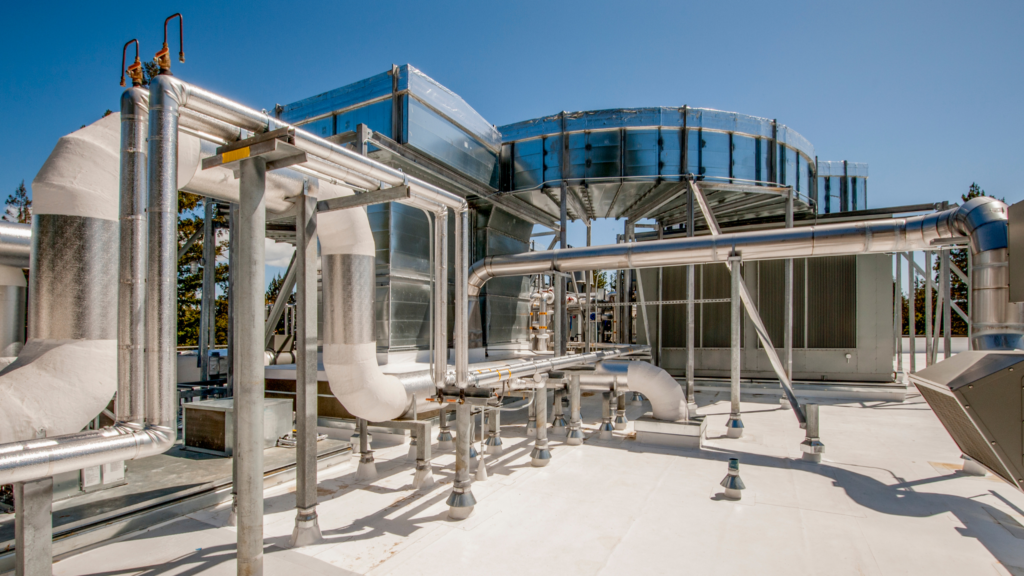
A glycol meter is an essential tool used to measure glycol concentration in HVAC systems, cooling systems, and closed loop applications. Maintaining the correct glycol concentration is critical for freeze protection, heat transfer performance, and overall system efficiency. In most facilities, glycol is used as a heat transfer fluid in the form of a glycol […]
How to Improve Water Softener Efficiency in Commercial Systems
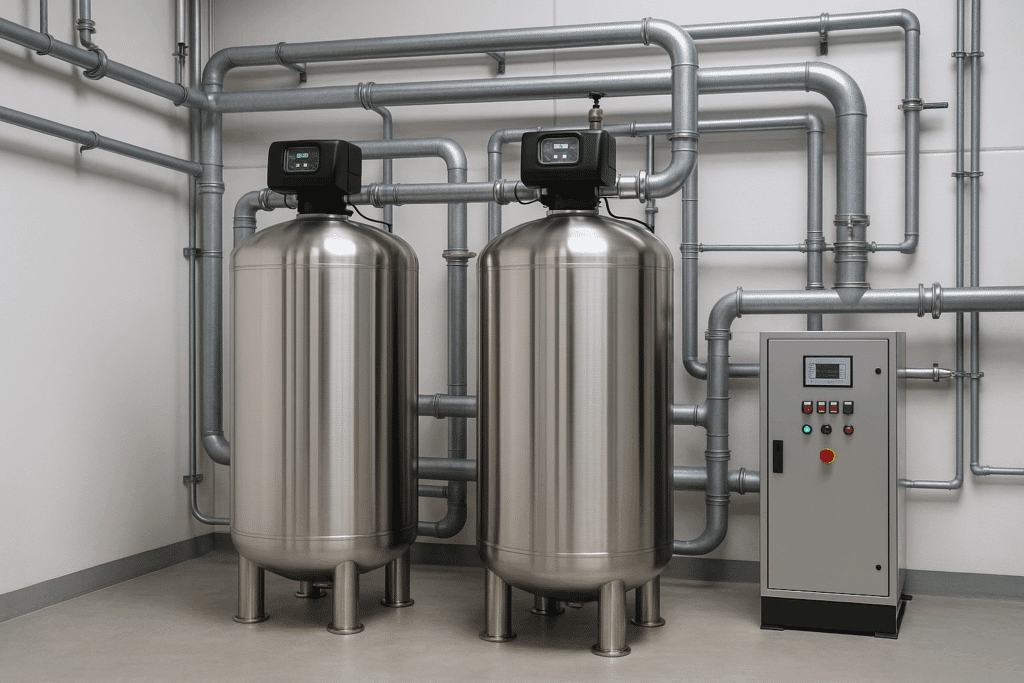
Water softener efficiency is a key factor in controlling operating costs, reducing water waste, and maintaining consistent water quality in commercial and industrial facilities. A properly managed water softener system removes hardness caused by calcium and magnesium ions, but poor setup or maintenance can lead to excessive salt consumption, frequent regeneration cycles, and unnecessary water […]
Sustainable Water Treatment Strategies for Industrial Facilities
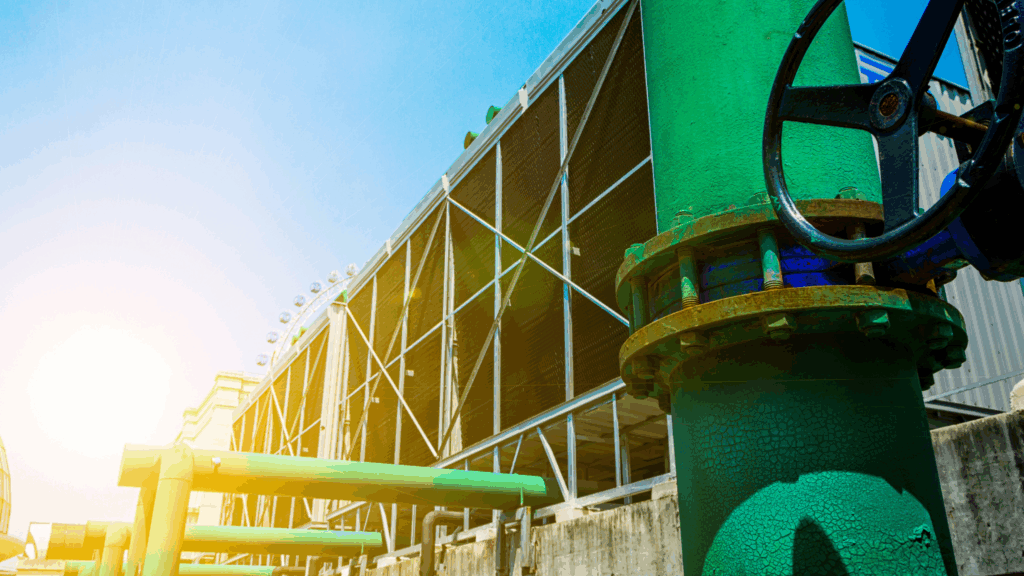
Sustainable water treatment is becoming a core requirement for industrial facilities facing increasing pressure from water scarcity, energy costs, and regulatory compliance. For operators, sustainable water treatment is not just an environmental goal—it is a practical approach to reducing operating costs, maintaining water quality, and improving long-term system reliability. This guide outlines sustainable water treatment […]
Cooling Tower Types: Differences, Advantages, and Applications
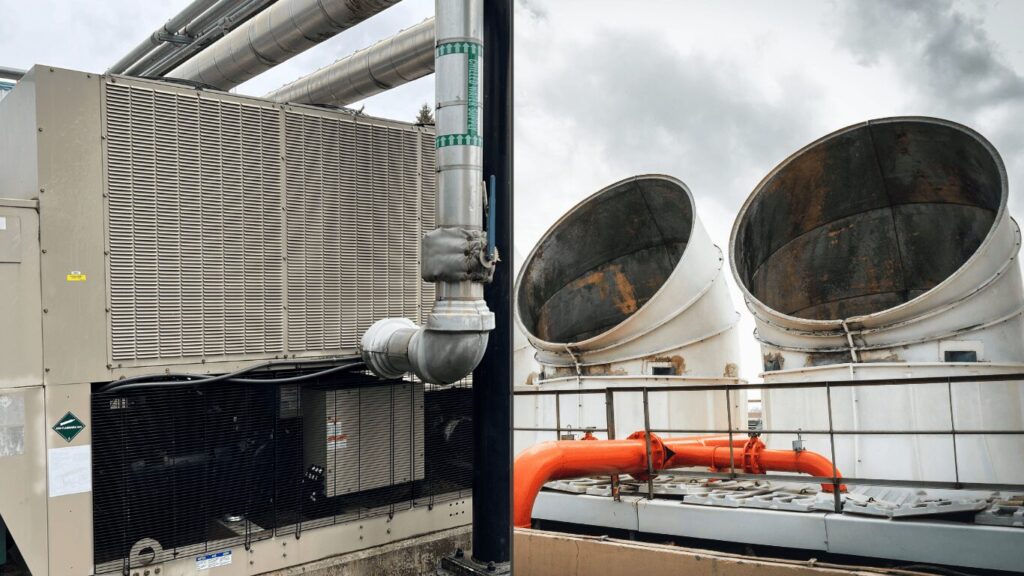
Understanding cooling tower types is essential for selecting, operating, and maintaining the right cooling system for industrial facilities, power plants, and commercial HVAC systems. Different types of cooling towers are designed around how air moves through the tower, how water flows across the fill media, and how heat transfer occurs through evaporative cooling. For operators, […]
Glycol Heat Exchangers: Applications in HVAC and Industrial Systems
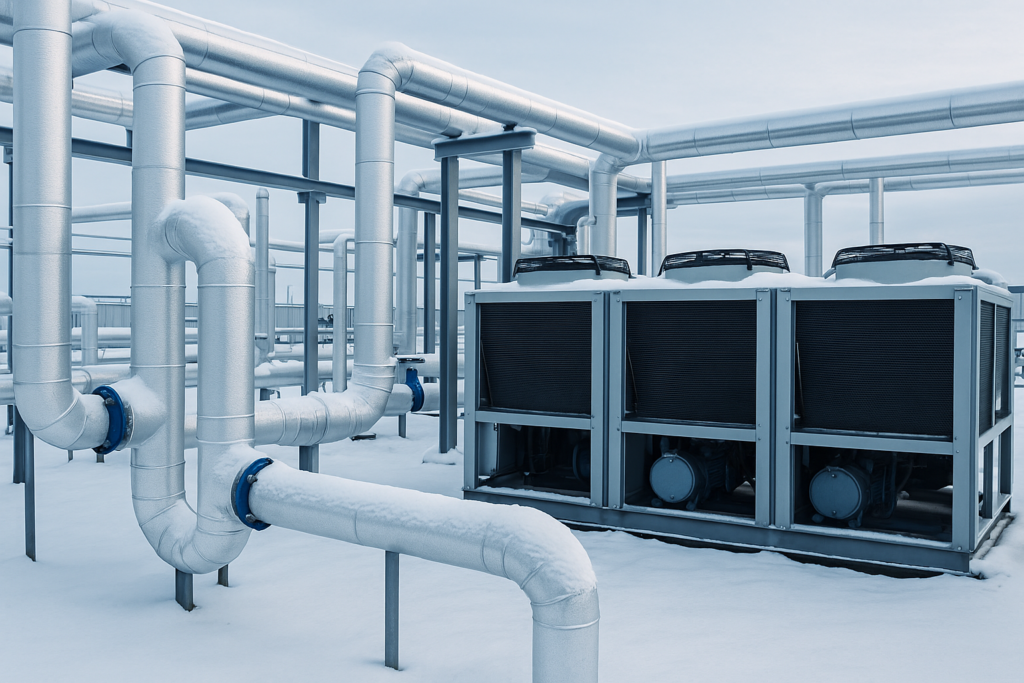
A glycol heat exchanger is a core component in many HVAC and industrial cooling systems where a glycol solution is used as the heat transfer fluid. These systems are designed to transfer heat efficiently while providing freeze protection, stable temperatures, and reliable operation in low temperature environments. For facility operators, glycol heat exchangers sit at […]
Legionella Regulations: What Building Owners Need to Know

Legionella regulations have expanded significantly over the past decade as public health agencies respond to Legionnaires disease outbreaks linked to building water systems. For building owners, facility managers, and operators, the focus is no longer just on water treatment—it is on documented water management programs, routine monitoring, and clear control measures to reduce Legionella risk. […]
Glycol Cooling Systems: How They Work and When to Use Them
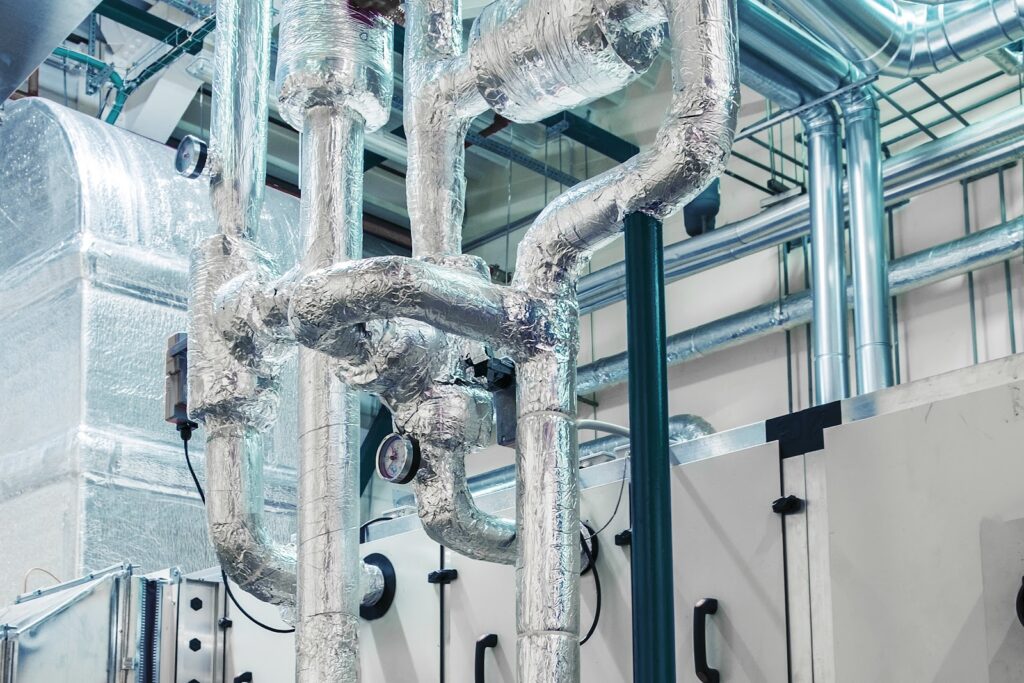
A glycol cooling system is a closed loop system that uses a glycol water mixture as a heat transfer fluid to provide freeze protection and stable temperature control. These systems are widely used in industrial cooling applications, HVAC systems, and food processing where maintaining temperature in low temperature environments is critical. Glycol cooling systems allow […]
Legionella Detection Methods for Building Water Systems
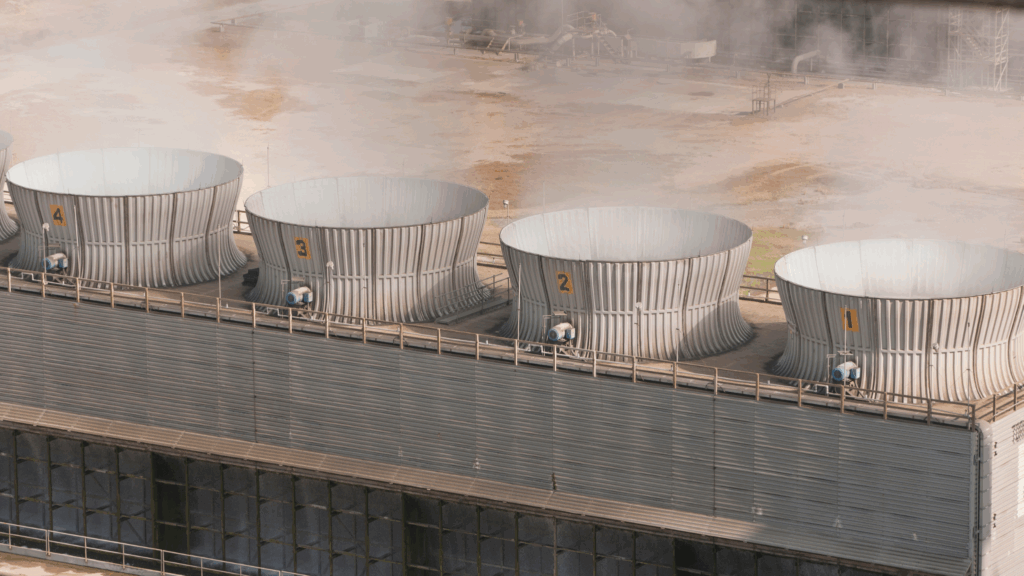
Legionella detection is a critical part of managing water safety in building water systems, cooling towers, and plumbing systems. Legionella bacteria—particularly Legionella pneumophila—can grow in man made water systems and create a health risk when aerosolized water is inhaled, potentially leading to Legionnaires disease or Pontiac fever. For facility operators, the goal is not just […]
Types of Corrosion in Water Systems and How to Prevent Them
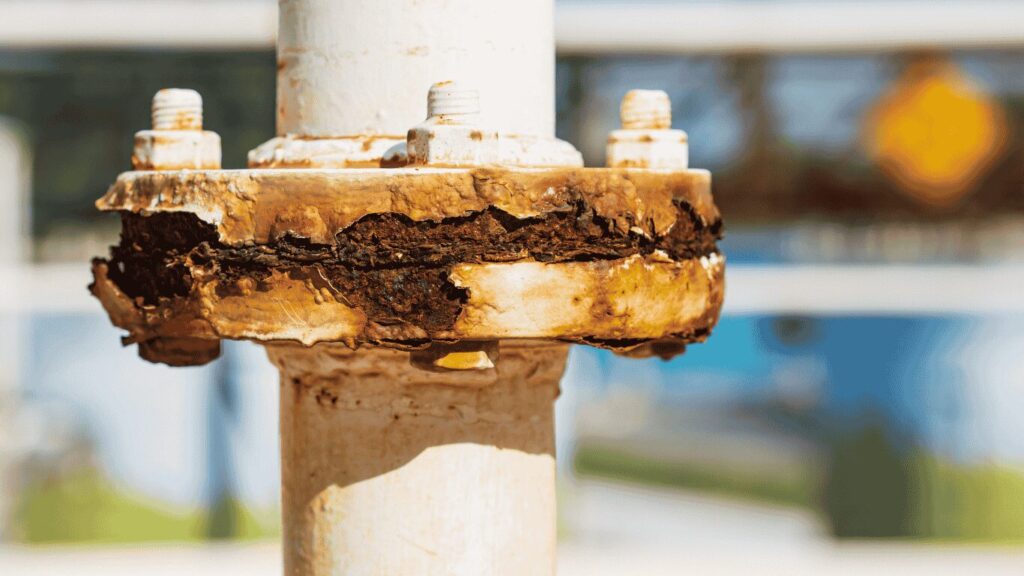
Corrosion is one of the most common and costly problems in water systems. Understanding the different types of corrosion is critical for facility operators managing cooling towers, boiler systems, and closed loop water systems. Corrosion occurs when a chemical or electrochemical reaction causes a metal surface to deteriorate, leading to reduced performance, leaks, and potential […]
What Is Glycol Used for in HVAC Systems?
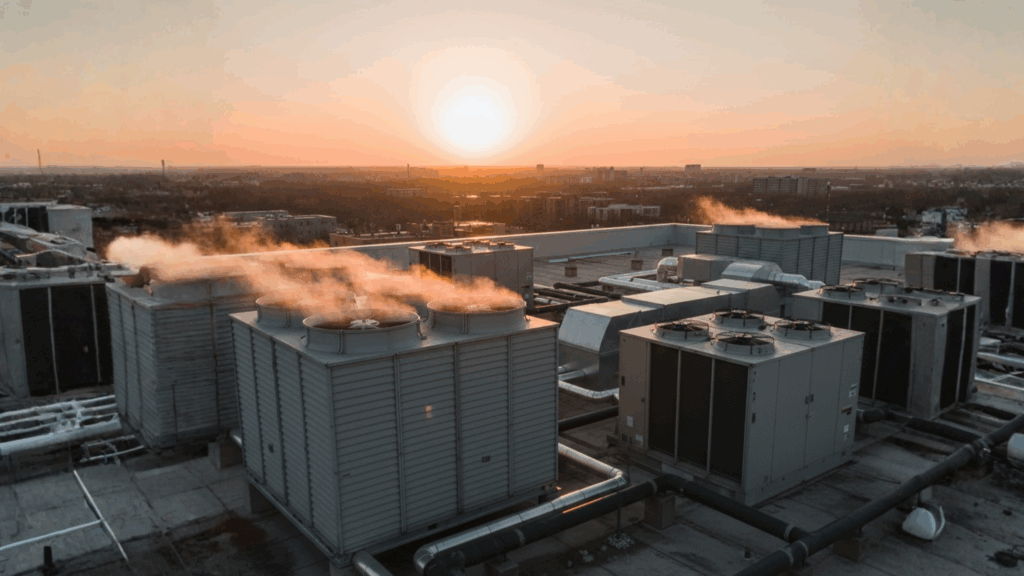
Glycol is commonly used in HVAC systems as a heat transfer fluid to provide freeze protection and maintain stable operation in heating and cooling applications. In many closed loop HVAC systems, glycol solutions are mixed with water to prevent freezing in low temperature environments while still allowing effective heat transfer through heat exchangers and system […]
