
Biocides for Water Treatment: Types and Applications
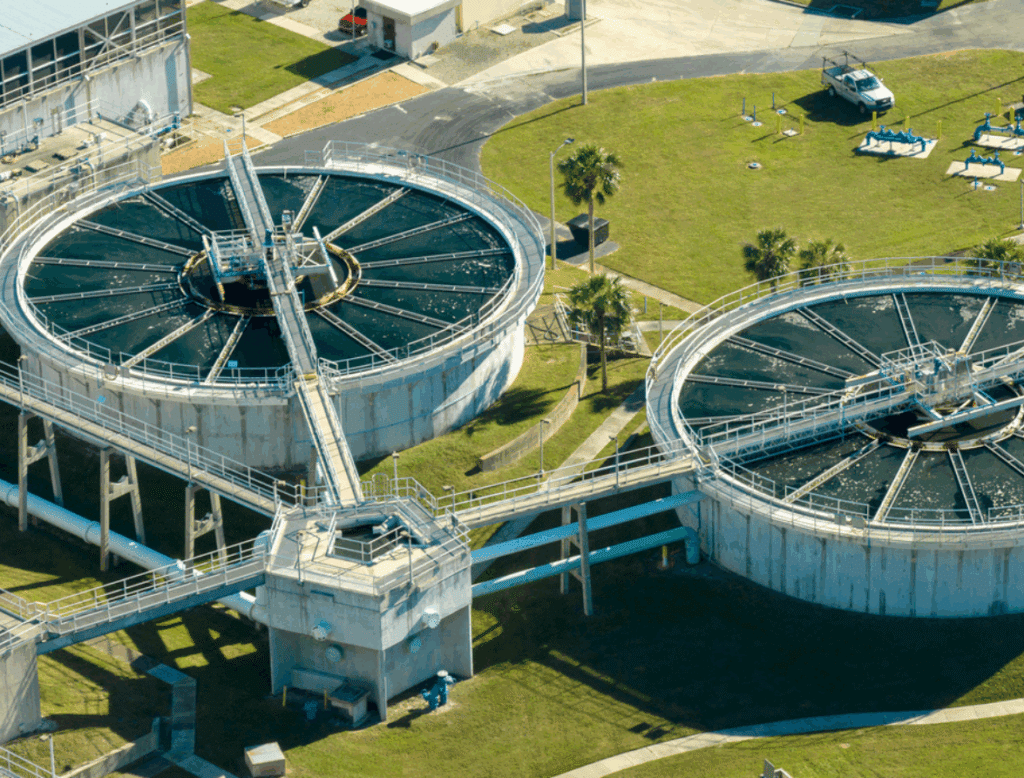
Biocide for water treatment is a critical component of maintaining safe and efficient water systems in industrial and commercial facilities. Biocide treatment is used to control microbial growth, prevent biofilm formation, and protect equipment from damage caused by bacteria and other harmful microorganisms. In cooling tower systems, industrial water systems, and process waters, biological growth […]
EDI Water Treatment: Electrodeionization Explained
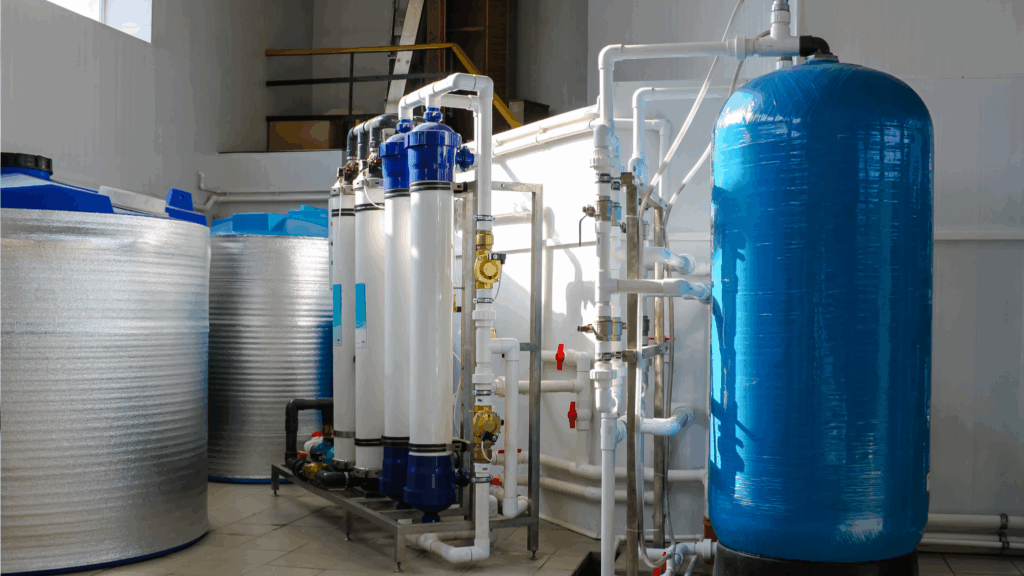
EDI water treatment, or electrodeionization, is a polishing technology used after reverse osmosis to produce high purity water on a continuous basis. By combining ion exchange resins, ion exchange membranes, and a direct current (DC) electric field, EDI systems remove ions without the need for chemical regeneration. For operators, electrodeionization EDI is valued because it […]
Secondary Disinfection in Healthcare Water Systems
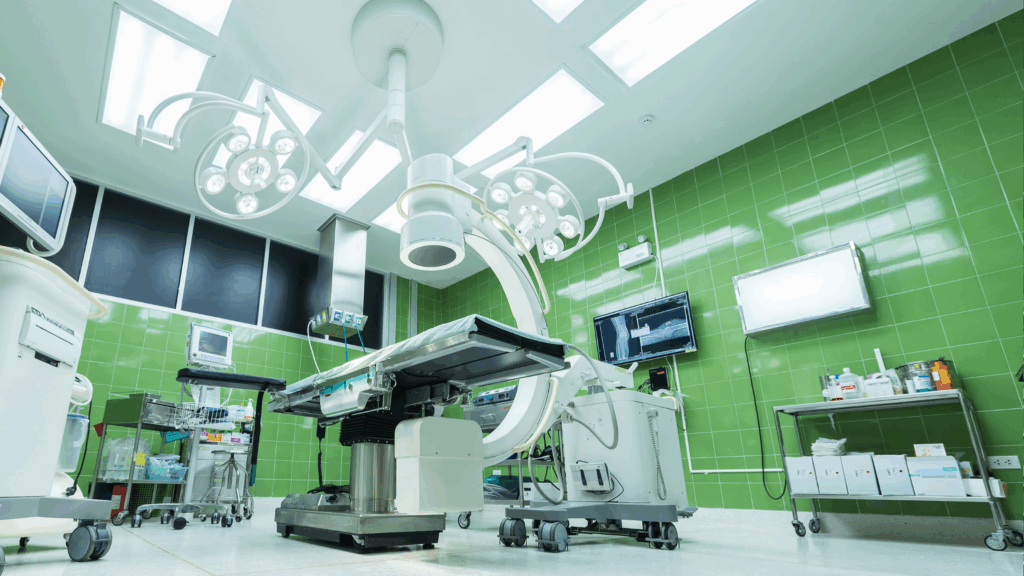
Healthcare secondary disinfection is a critical component of water safety programs in hospitals and healthcare facilities. Secondary disinfection ensures a persistent disinfectant residual throughout building water systems to control waterborne pathogens such as Legionella, protect patient safety, and maintain compliance with strict quality standards. Unlike primary disinfection at a treatment plant, secondary disinfection occurs within […]
What Is Water Management in Building Systems?
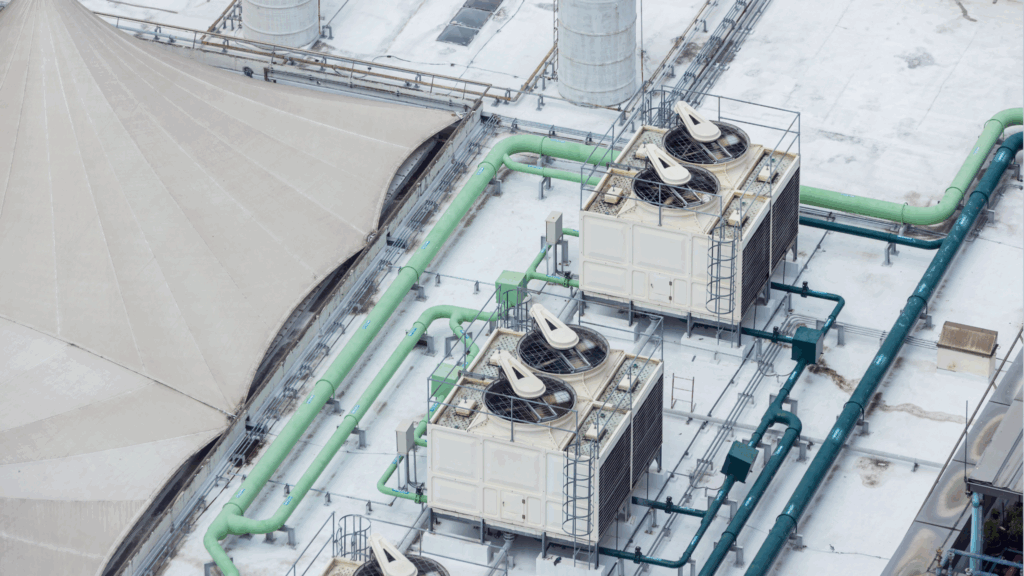
What is water management in modern buildings? At its core, water management is the coordinated control of water usage, water quality, and water systems to support reliable operation, reduce water waste, and meet sustainability goals. For facility teams, effective water management is not just conservation. It is a comprehensive approach to managing water resources across […]
Water Pretreatment Methods for Industrial Systems
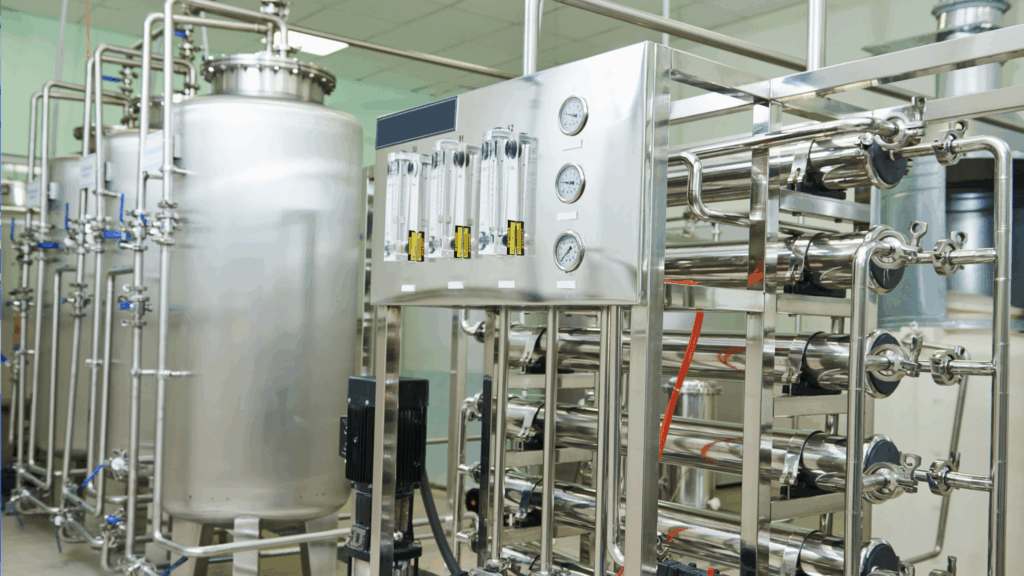
Water pretreatment is a critical first step in protecting equipment, improving efficiency, and ensuring compliance in industrial water systems. Before water reaches boilers, cooling towers, reverse osmosis systems, or discharge points, it must go through a pretreatment process that removes contaminants, stabilizes chemistry, and prepares it for downstream treatment. For industrial users, water pretreatment is […]
How pH Affects Chlorine Effectiveness in Water Treatment
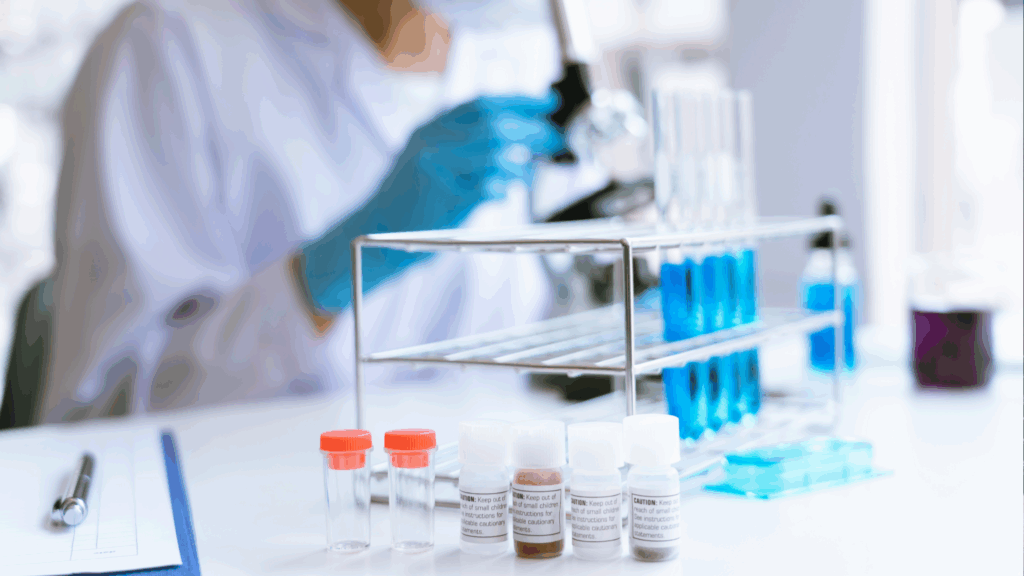
Understanding chlorine pH is critical for anyone responsible for maintaining water quality in industrial systems, cooling towers, and even drinking water applications. The relationship between chlorine and pH directly determines how effectively chlorine can disinfect water, control bacteria, and maintain safe operating conditions. In water treatment, chlorine effectiveness is not just about how much chlorine […]
Boiler Carryover: Causes, Effects, and Prevention
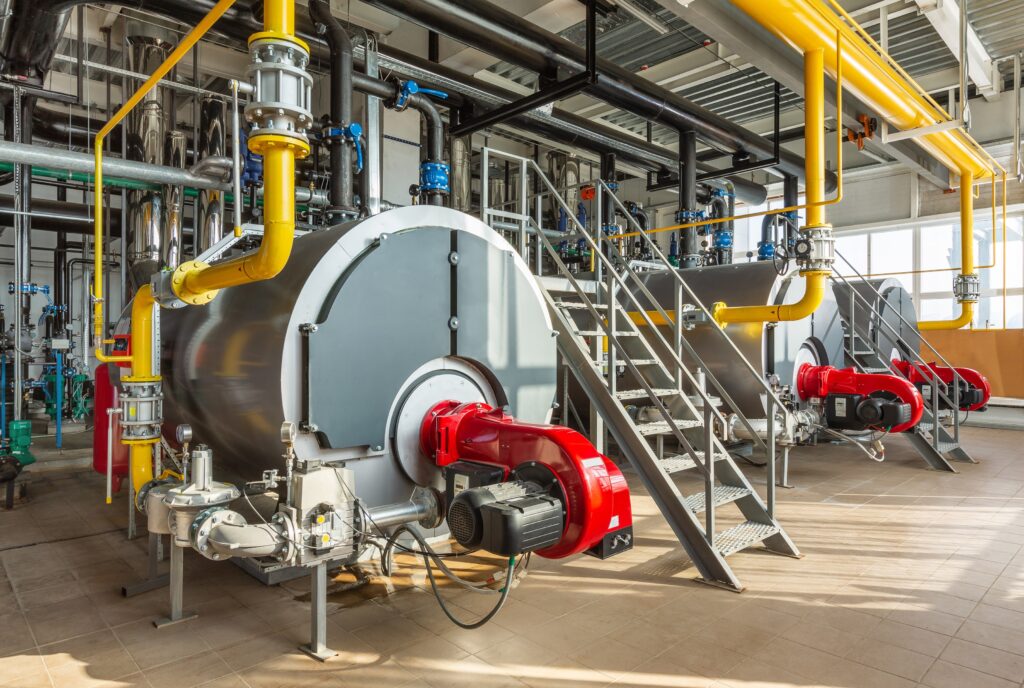
Boiler carryover is one of the most common and costly issues affecting steam boilers in industrial facilities. When boiler carryover occurs, boiler water, dissolved solids, and other contaminants are carried over with the steam, reducing steam purity and impacting downstream equipment. For operators, boiler carryover is not just a nuisance. It directly affects steam quality, […]
What Is Hard Water and How Does It Affect Water Systems?
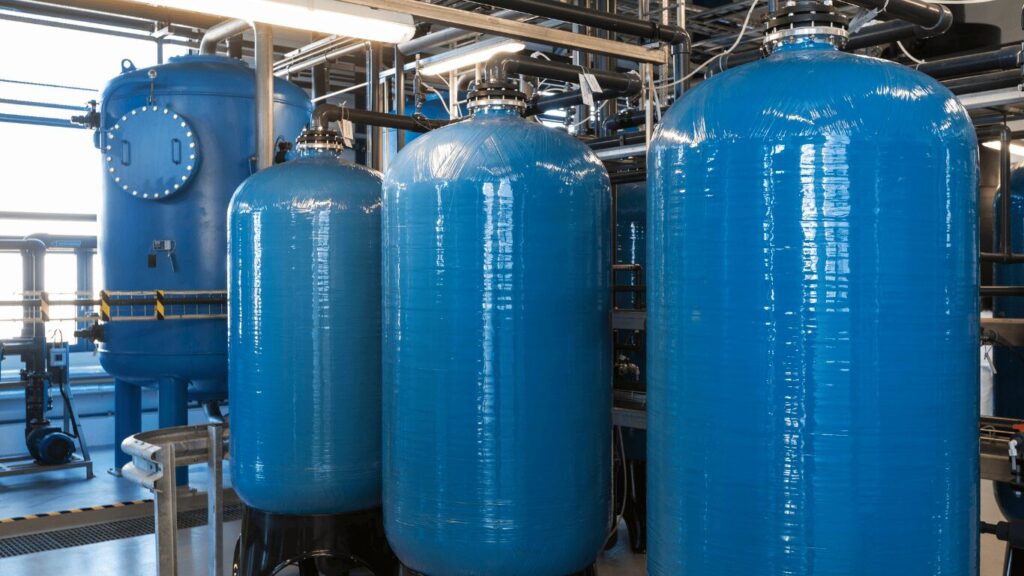
Hard water is a common condition in both residential and commercial water systems where water contains high levels of dissolved minerals, primarily calcium and magnesium. Understanding what is hard water is important for facility operators because water hardness directly affects water quality, equipment performance, and long-term maintenance costs. In many regions, water travels through soil […]
Benefits of Chlorine in Water Treatment Systems
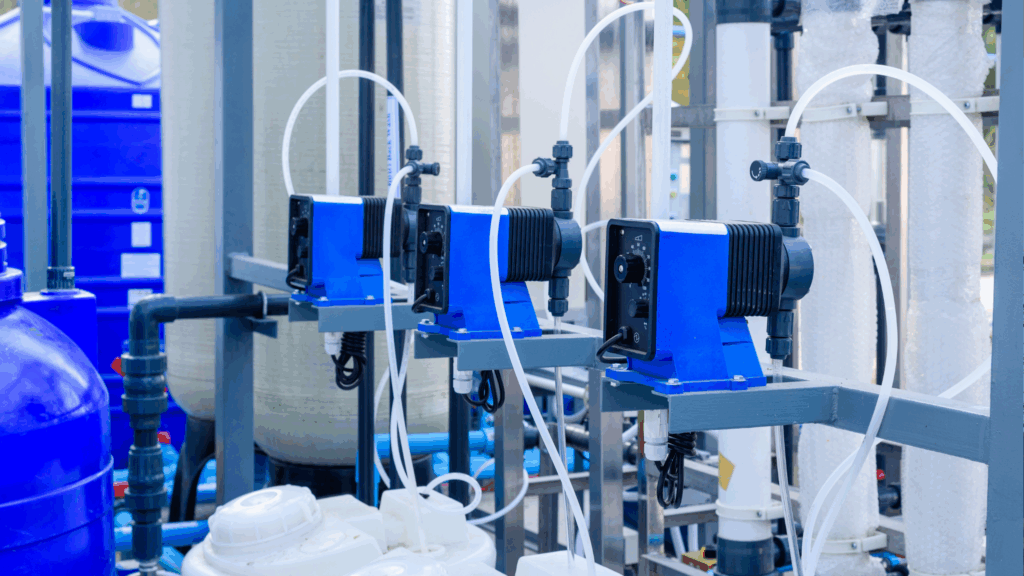
Chlorine benefits in water treatment systems are widely recognized across public water systems, industrial facilities, and commercial operations. Chlorine is one of the most effective and widely used disinfectants for maintaining water quality, controlling harmful microorganisms, and ensuring safe drinking water. For operators and facility managers, understanding chlorine benefits is not just about disinfection. It […]
How to Create a Water Treatment Plan for Commercial Buildings
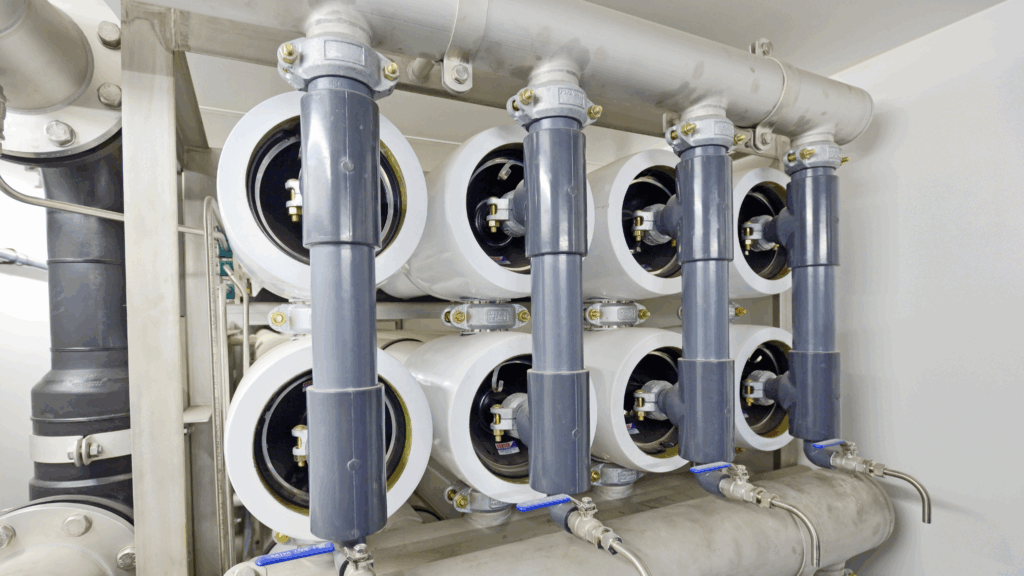
A water treatment plan is essential for maintaining water quality, protecting equipment, and ensuring regulatory compliance in commercial buildings. Whether managing cooling towers, potable water systems, or process water, a structured water treatment plan helps facilities control contaminants, improve system performance, and meet safety standards. For operators and facility managers, creating a water treatment plan […]
