
Heat Rejection in Cooling Systems Explained
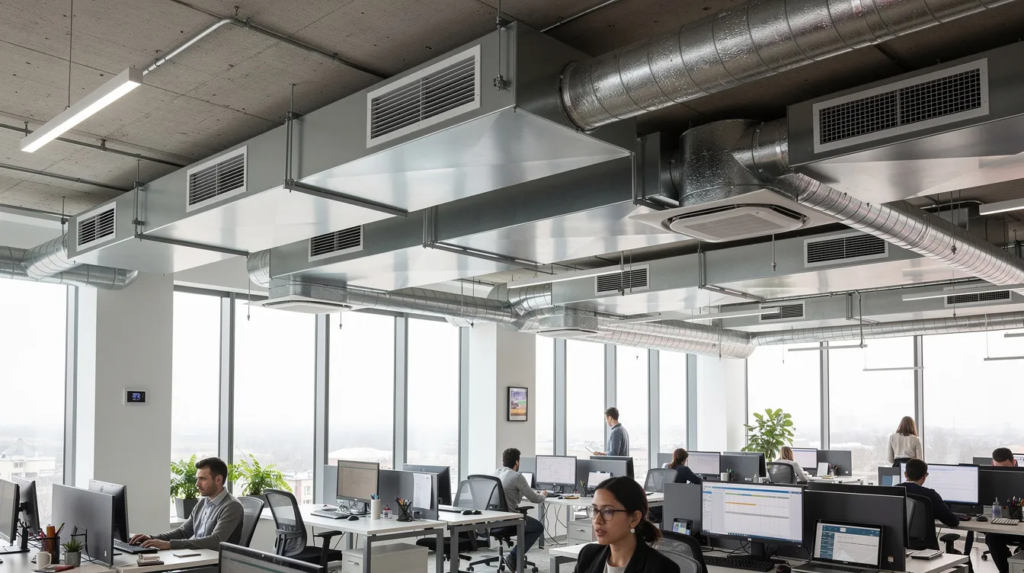
Heat rejection is the process of transferring excess heat from cooling system fluids to the environment so process fluids stay within operating limits and cooling operations remain efficient and reliable. It is a core part of controlling water quality and protecting equipment performance, since poor heat rejection increases the risk of corrosion, scaling, microbial growth, […]
Cooling Water System in Industrial Facilities
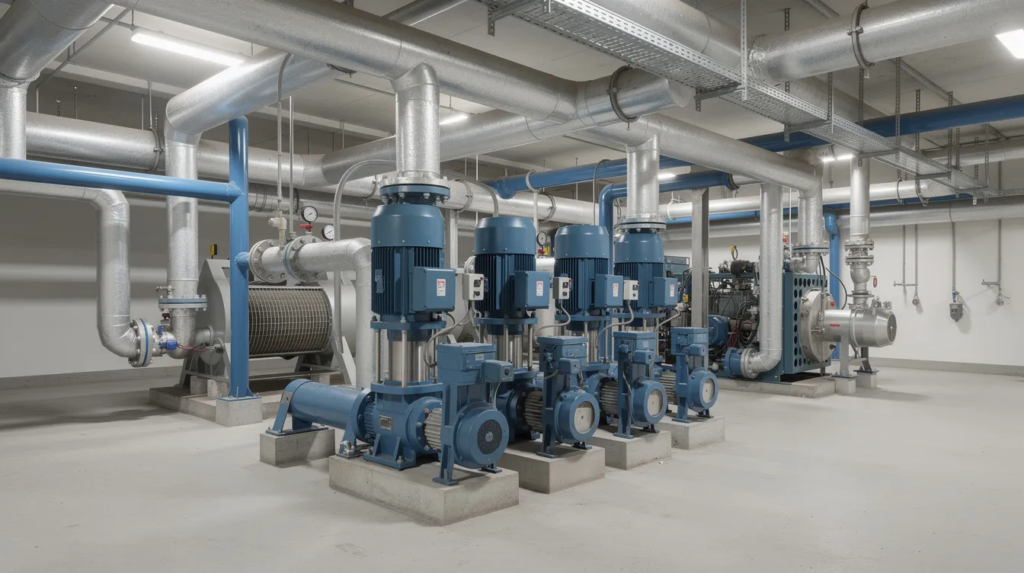
This article aims to provide clear, practical guidance on cooling water systems in industrial settings. Readers can expect a comprehensive overview of system types, key components, water chemistry risks, and treatment technologies. Key Takeaways Cooling Water Systems Overview Industrial cooling water systems typically fall into three categories: once-through, open recirculating, and a sealed category often […]
HVAC Water Treatment for Closed-Loop Systems
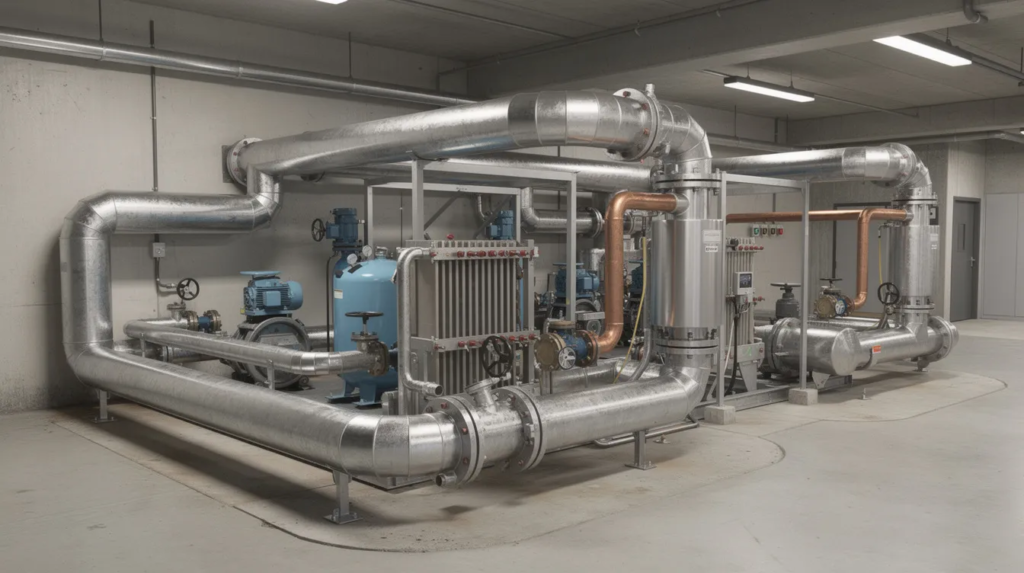
This article focuses on closed-loop water treatment specifically for HVAC systems, highlighting essential safety and regulatory standards to ensure compliant and effective treatment practices. Proper water treatment in closed-loop HVAC systems is critical for preventing corrosion, scaling, and microbial growth, all of which can lead to costly repairs and system downtime. By implementing best practices […]
Cooling Tower Blowdown: Why It Matters
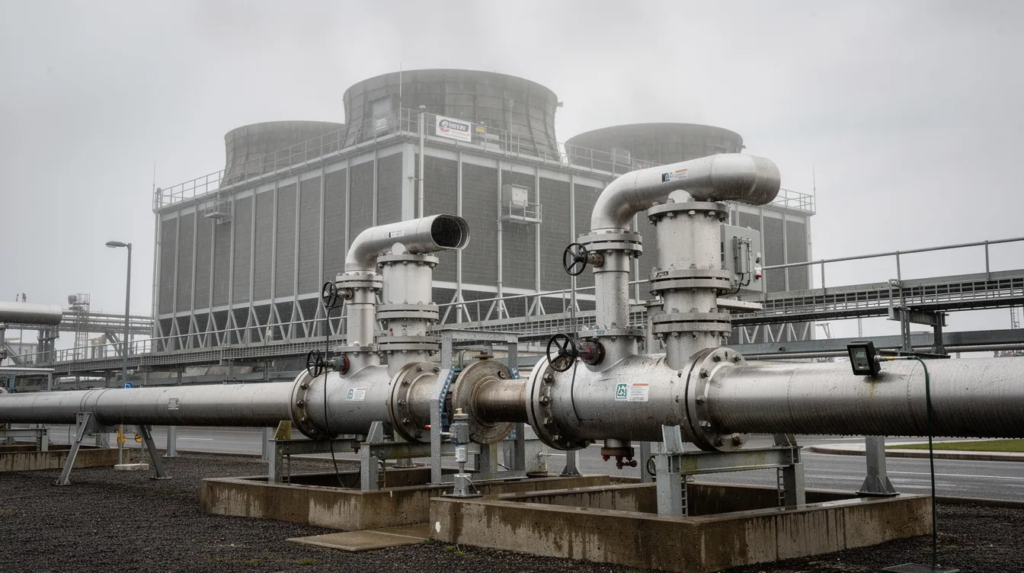
Cooling tower blowdown plays a critical role in maintaining water quality, preventing scaling and corrosion, and ensuring compliance with environmental regulations. Understanding and managing blowdown effectively is key to optimizing cooling tower performance and protecting system longevity. This article is tailored for providing a clear and practical overview of cooling tower blowdown. Key Takeaways Cooling […]
Scale Inhibitors in Water Treatment Systems
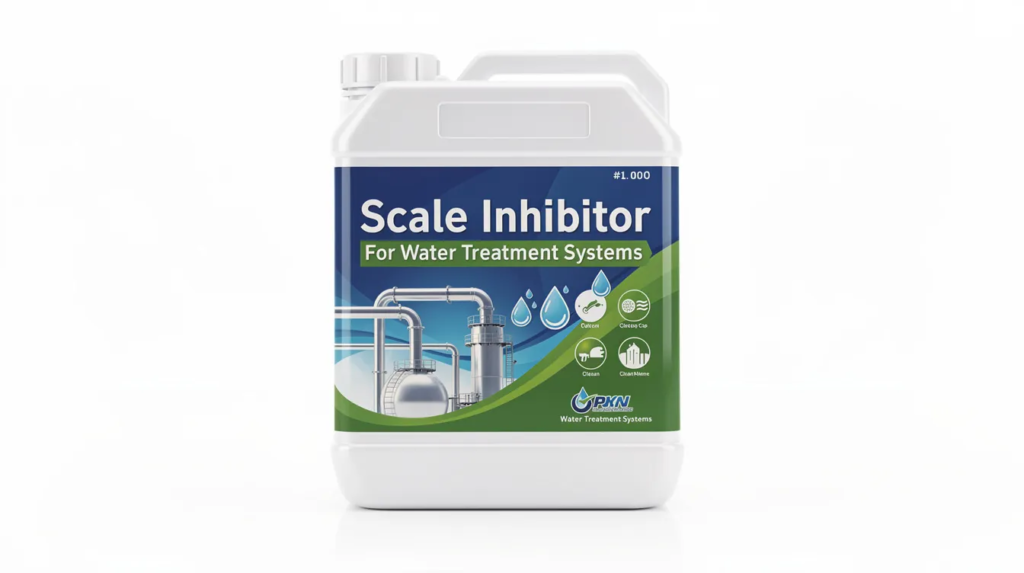
Scale formation is the buildup of mineral deposits, such as calcium carbonate and sulfate salts, on surfaces within water treatment and production systems. This phenomenon can lead to equipment fouling, reduced flow efficiency, and increased maintenance costs. Scale inhibitors are chemical agents designed to prevent or minimize these deposits, ensuring smooth operation in industrial, municipal, […]
Cooling Tower Fill Types and Maintenance
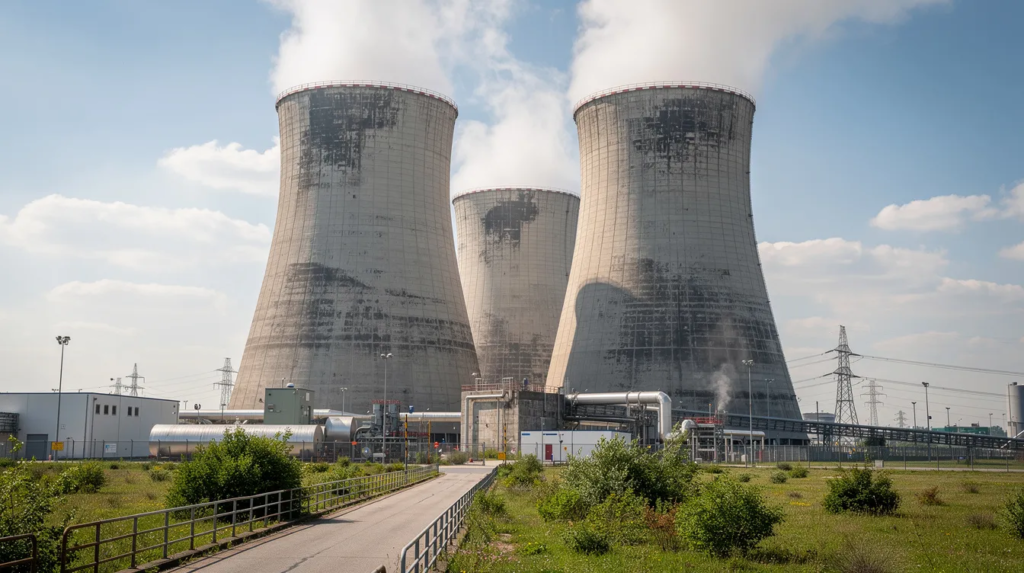
Cooling towers are essential components in many industrial and HVAC systems. They play a critical role in dissipating heat from circulating water. At the heart of this process is the cooling tower fill media, a key component designed to maximize the contact between water and air. This enhances heat transfer and evaporation. This article explores […]
Industrial Boiler Systems Explained
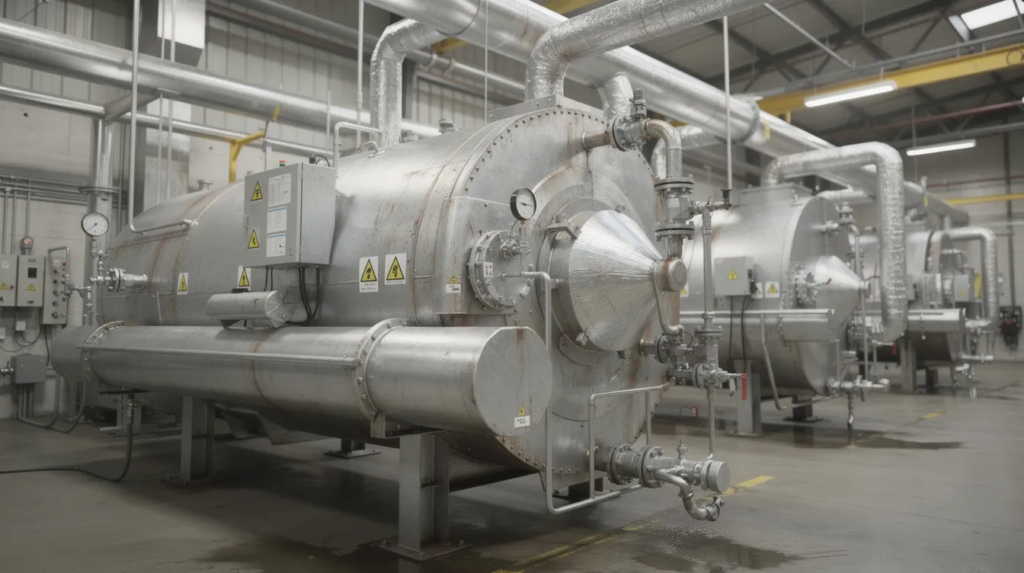
Industrial boiler systems are vital in numerous industries, providing essential heat and steam for processes, power generation, and heating applications. This article offers a clear understanding of industrial boilers, highlighting core components, types, combustion processes, efficiency considerations, water treatment priorities, operational controls, and maintenance essentials to optimize system performance and safety. Key Takeaways Industrial Boiler […]
Ethylene Glycol vs Propylene Glycol: Key Differences for Water Treatment Specialists
Understanding the ethylene glycol vs propylene glycol is essential in selecting the right antifreeze and heat transfer fluids. This article clarifies practical decision points and safety priorities, emphasizing why these glycol compounds matter in water treatment and HVAC systems. Key Takeaways What Is Glycol? Glycol refers to a class of chemical compounds in the alcohol […]
How to Create a Water Management Plan for Legionella Control
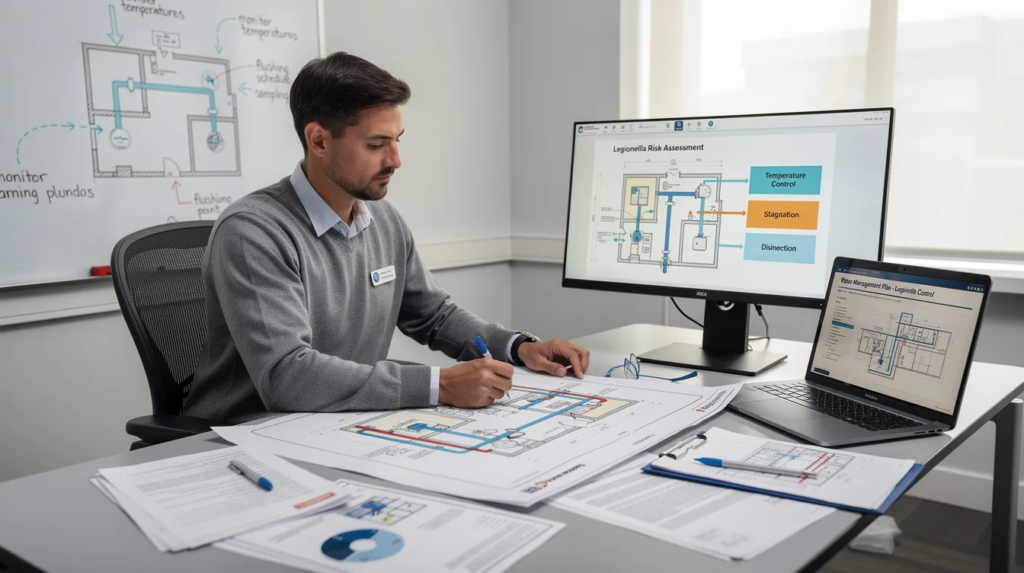
Creating a Water Management Plan for Legionella Control requires a clear focus on the facility’s scope, emphasizing Legionella prevention. The plan should begin by summarizing objectives aimed at preventing Legionella growth and spread, highlighting the importance of a comprehensive water management program tailored to the facility’s needs. Key Takeaways Key Principles of Legionella Water Management […]
Legionella Testing Methods and Frequency
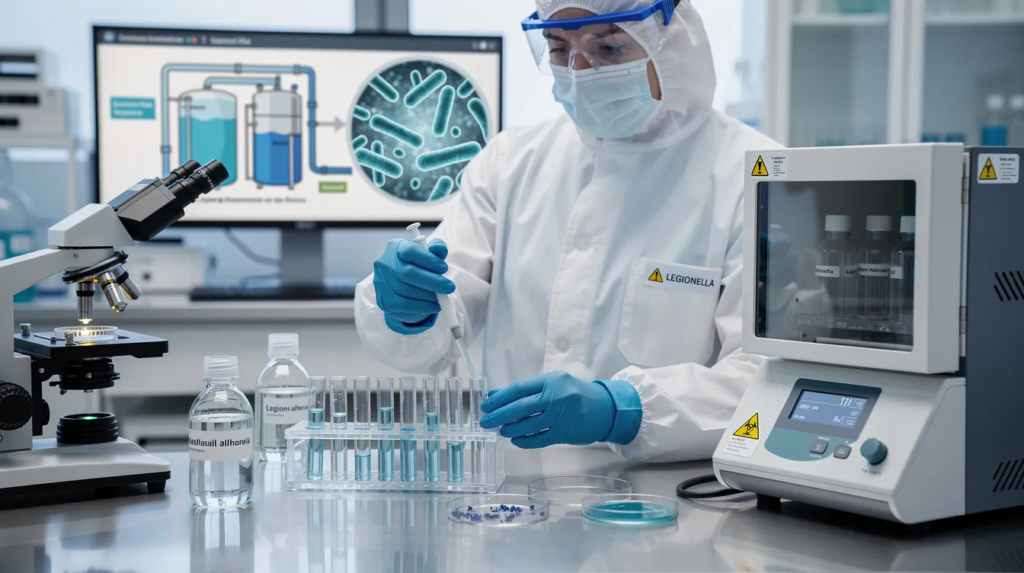
Legionella testing is a critical component in managing water safety and preventing outbreaks of Legionnaires’ disease. This article aims to guide through recommended testing cadences, priorities, and core test methods to help effectively detect and control Legionella bacteria in various water systems. Key Takeaways Background: Legionella Bacteria, Pneumophila, and Health Risk Legionella bacteria are naturally […]
