
Legionella Temperature Range and Growth Conditions
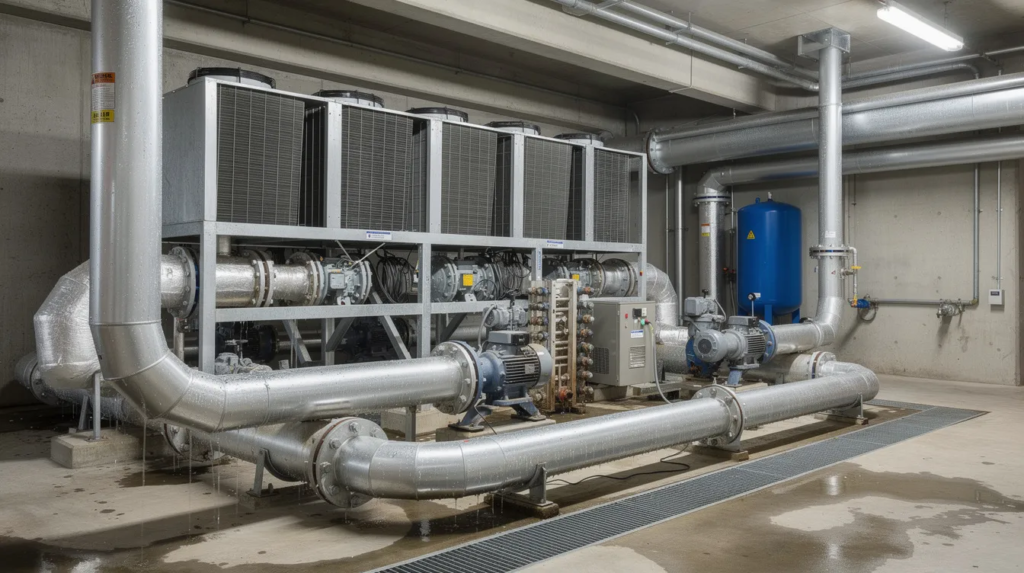
Legionella bacteria pose a significant health risk in building water systems when conditions support their growth and proliferation. Understanding the legionella temperature range and the environmental factors that influence bacterial survival is crucial for managing and mitigating this risk. This article provides a comprehensive overview of the temperature thresholds critical to Legionella growth and control, […]
Closed Loop Water Treatment for HVAC Systems
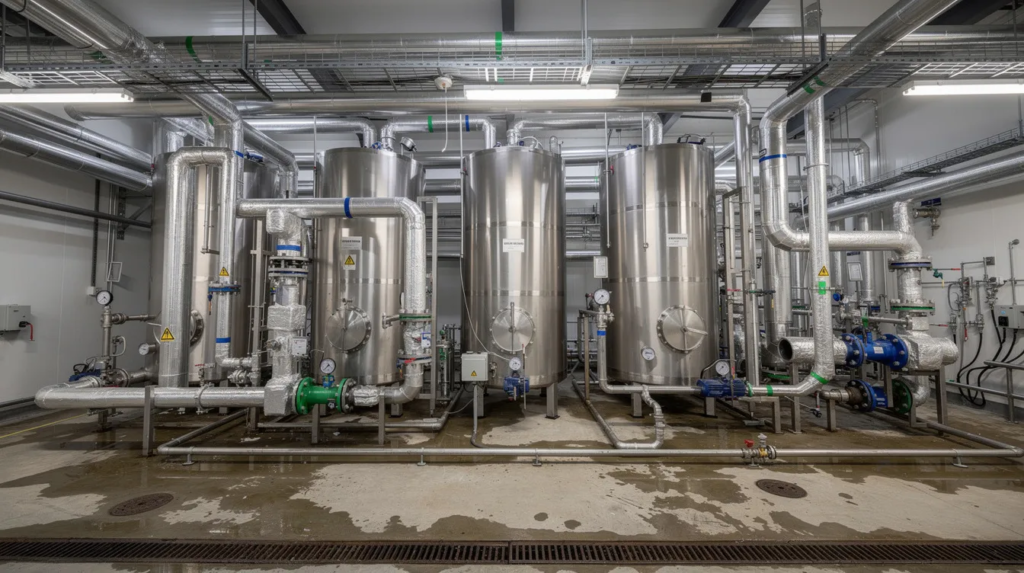
A closed loop system is a water circulation setup where the same water continuously flows through pipes, heat exchangers, and equipment without exposure to the external environment. This design conserves water and maintains high water quality by minimizing contamination and evaporation. Closed loop water treatment offers numerous benefits for HVAC cooling systems. By recirculating the […]
Hazardous Chemical Storage for Water Treatment Facilities
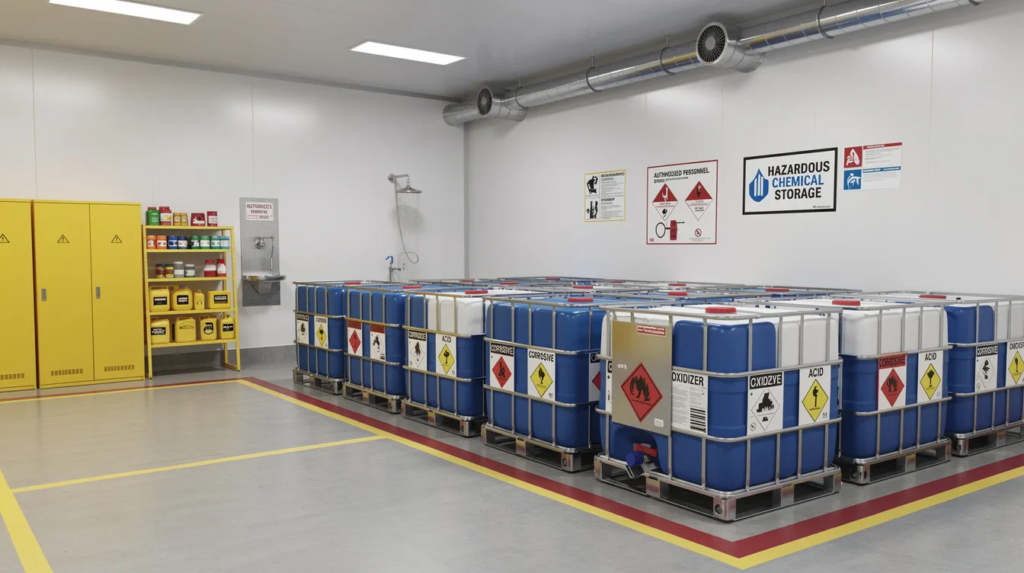
Proper hazardous chemical storage is an essential part of maintaining safety and compliance in water treatment facilities. These facilities often involve plant operations, laboratories, tanks, and maintenance shops, all of which require careful handling and storage of various hazardous substances and process chemicals. This article provides a comprehensive guide to understanding and implementing best practices […]
Cooling Tower Basin Design and Maintenance
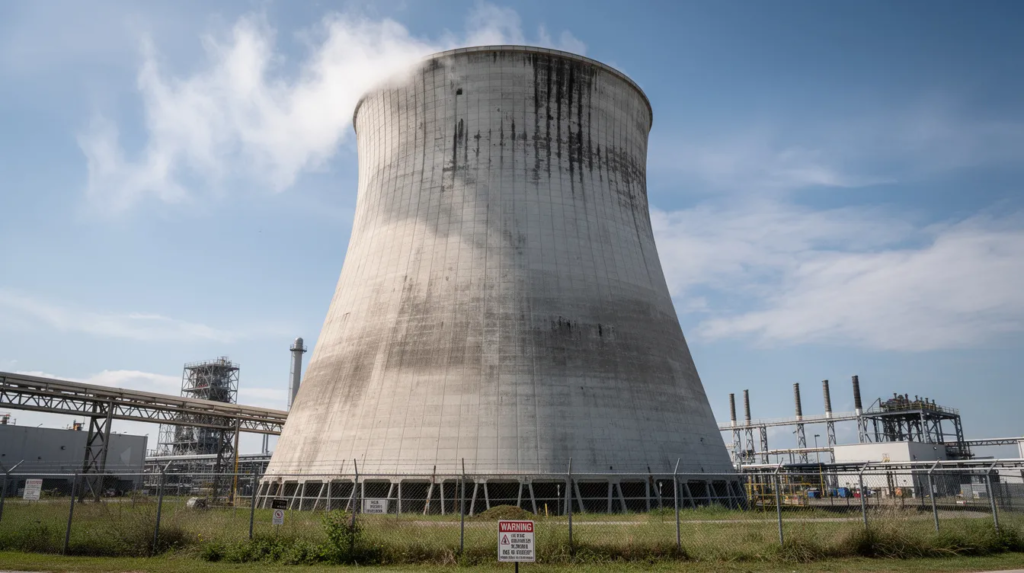
In industrial cooling systems, the cooling tower basin is the lifeblood of the entire operation. It is responsible for collecting, storing, and recycling cooled water that keeps facilities running efficiently. This article will explore the essential aspects of cooling tower basin design and maintenance, providing practical insights to optimize system performance and ensure safety. Key […]
Water Softener vs Water Filter: What’s the Difference?
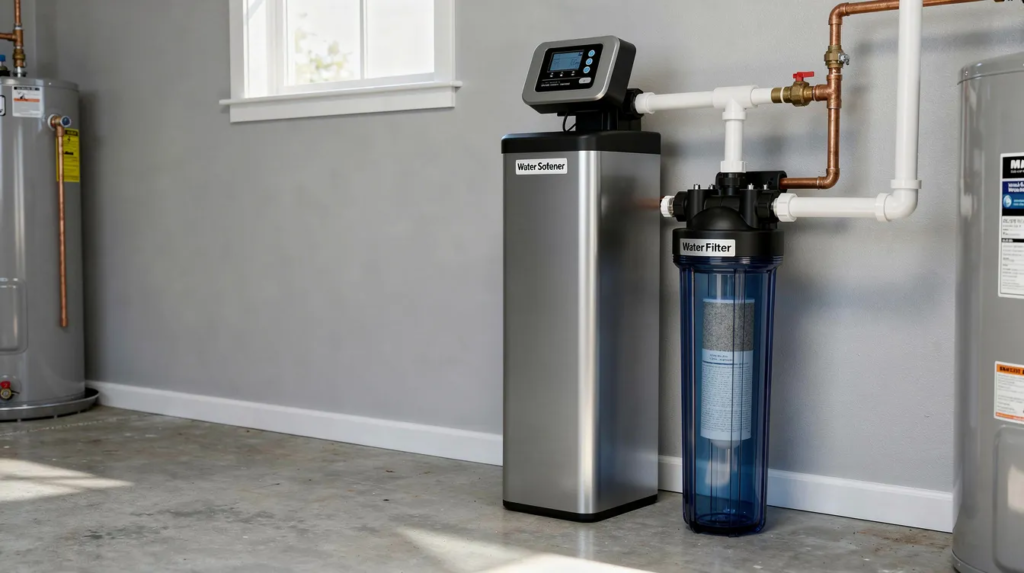
When it comes to improving water quality, understanding the difference between a water softener vs. filter is essential. Water softeners primarily remove hardness minerals like calcium and magnesium to prevent scale buildup, while water filters target contaminants such as chlorine, lead, PFAS, and bacteria to make water safer and better-tasting. This article explores the core […]
Commercial Reverse Osmosis System Explained
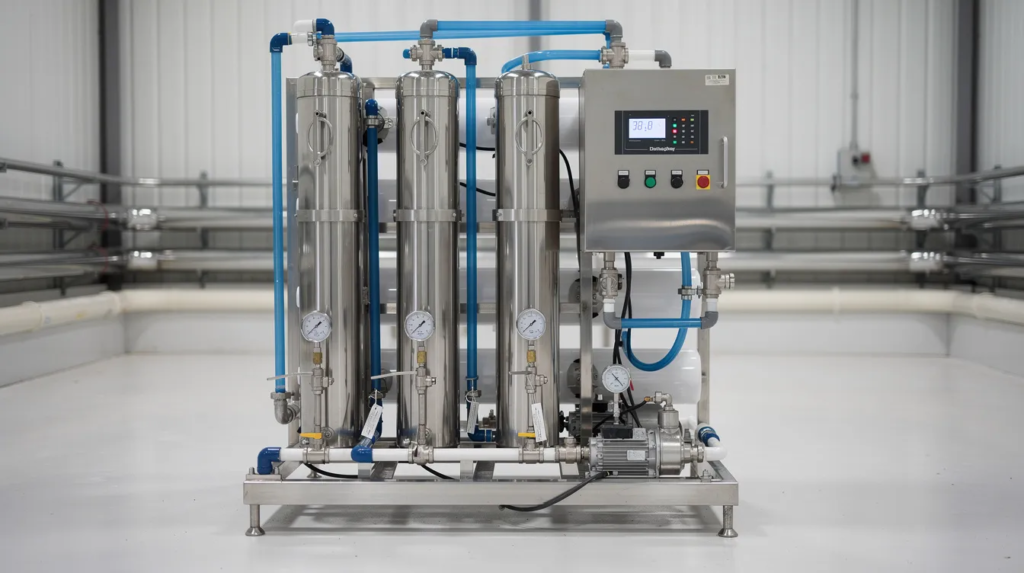
A commercial reverse osmosis system is a high-pressure water purification process designed to remove up to 99% of dissolved salts, minerals, and other contaminants. It works by forcing water through a semi-permeable membrane. This technology provides businesses with safe, dependable water essential for daily operations across various industries. Key Takeaways How a Commercial Reverse Osmosis […]
What Is Cooling Tower Approach Temperature?
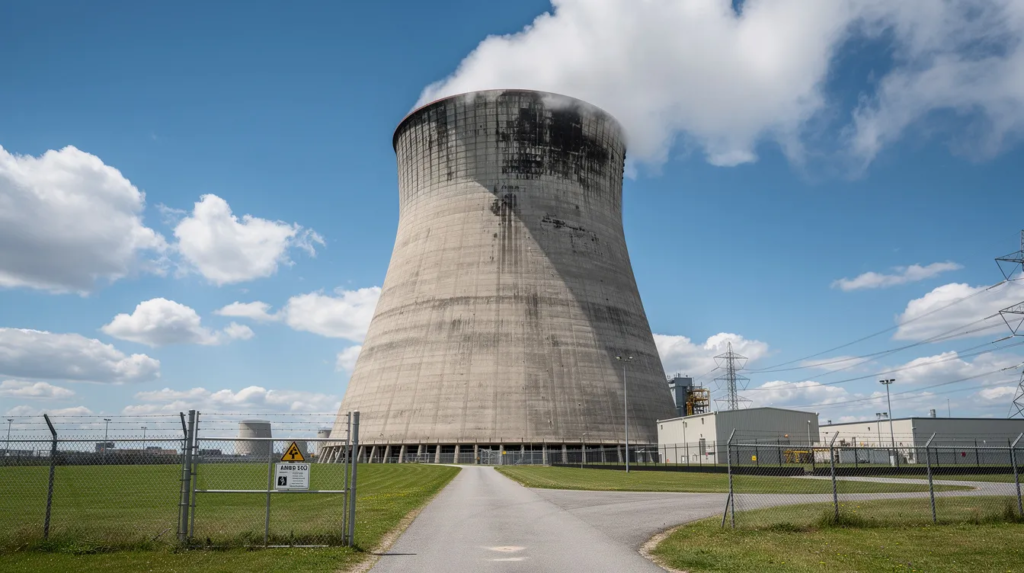
Cooling tower approach is the temperature difference between the cold water leaving the tower and the ambient air’s wet-bulb temperature. A lower approach indicates better tower performance, as it means the cooled water temperature is closer to the theoretical minimum temperature achievable through evaporation. Typically, an ideal temperature ranges from 3 to 7°F, with 5°F […]
What Is Ion Exchange Resin?
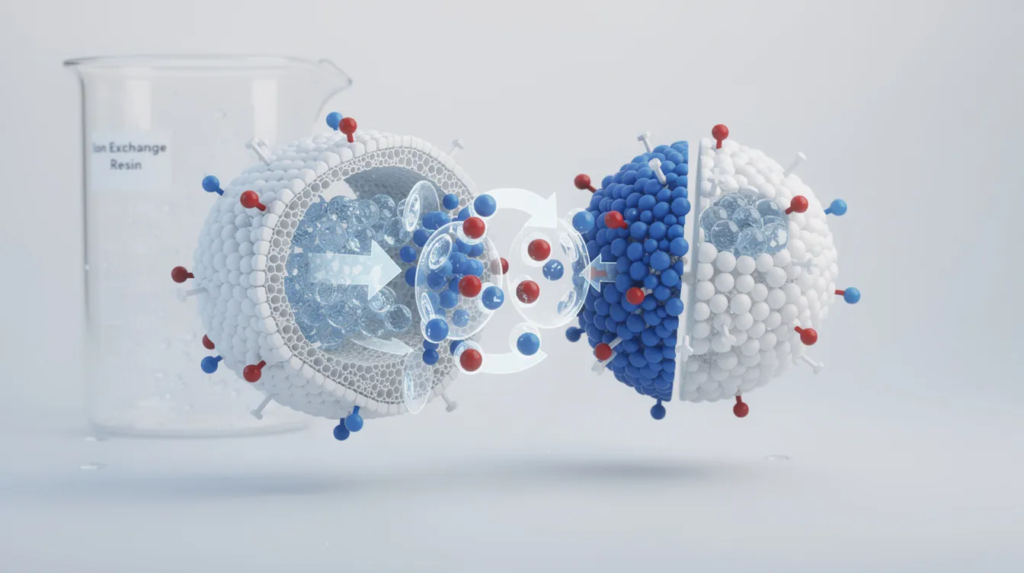
Ion exchange resin is a specialized polymer material that acts like a selective “sponge” to capture dissolved ions from liquids. This material plays a crucial role in water treatment. It facilitates the ion exchange process, a reversible chemical reaction where it removes unwanted dissolved ions and replaces them with others of similar charge. Think of […]
Chemical Dosing Pumps in Water Treatment Systems
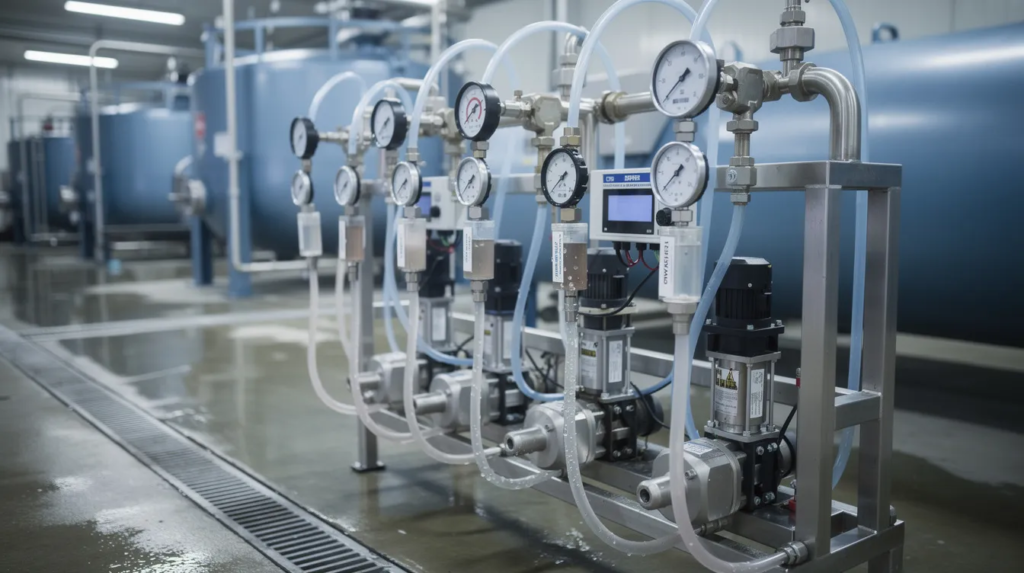
A chemical dosing pump, also known as a chemical metering pump, is a vital component in water treatment systems. It precisely injects exact volumes of chemicals into water streams to ensure optimal treatment. Unlike pumps that move large fluid volumes, chemical dosing pumps deliver controlled, accurate flow rates that can be adjusted manually or automatically, […]
Cooling Tower Filtration Systems Explained
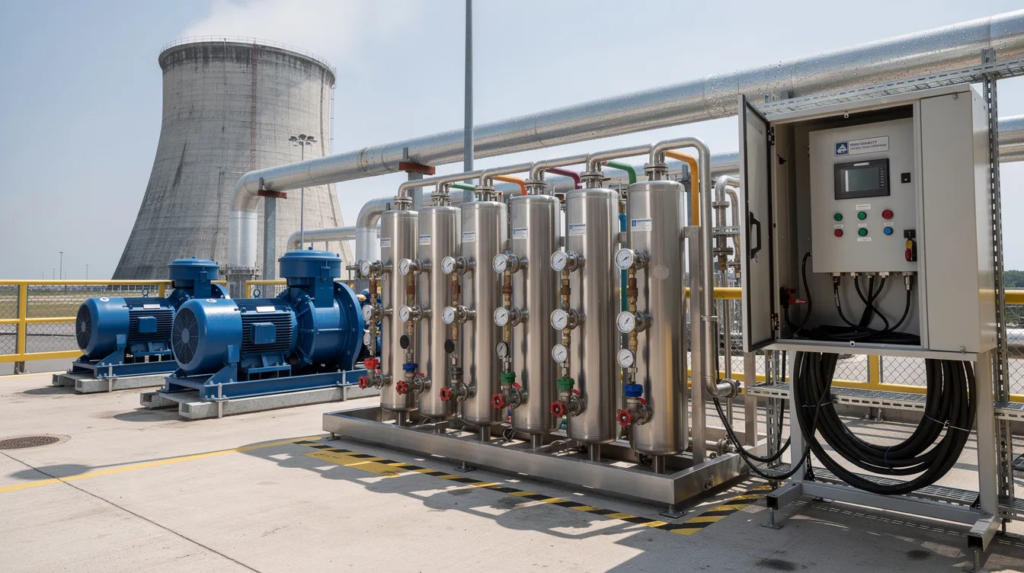
Cooling tower filtration is a crucial process that involves removing debris and contaminants from the bulk heat transfer fluid in a cooling tower system. Its primary purpose is to eliminate damaging substances such as suspended solids, scale-forming minerals, and microbiological organisms that can impair system performance. This article details its importance, how it works, the […]
