
Understanding the ethylene glycol vs propylene glycol is essential in selecting the right antifreeze and heat transfer fluids. This article clarifies practical decision points and safety priorities, emphasizing why these glycol compounds matter in water treatment and HVAC systems.
Key Takeaways
- Ethylene glycol and propylene glycol serve as essential antifreeze and heat transfer agents with distinct chemical and safety profiles.
- Ethylene glycol excels in thermal conductivity and fluid dynamics but carries significant toxicity concerns.
- Propylene glycol offers a safer alternative for applications requiring low toxicity, including food, pharmaceutical, and personal care products.
- The choice between these glycols should balance performance requirements with environmental and human safety considerations.
- Proper testing and maintenance ensure the correct glycol type is used and system integrity is preserved.
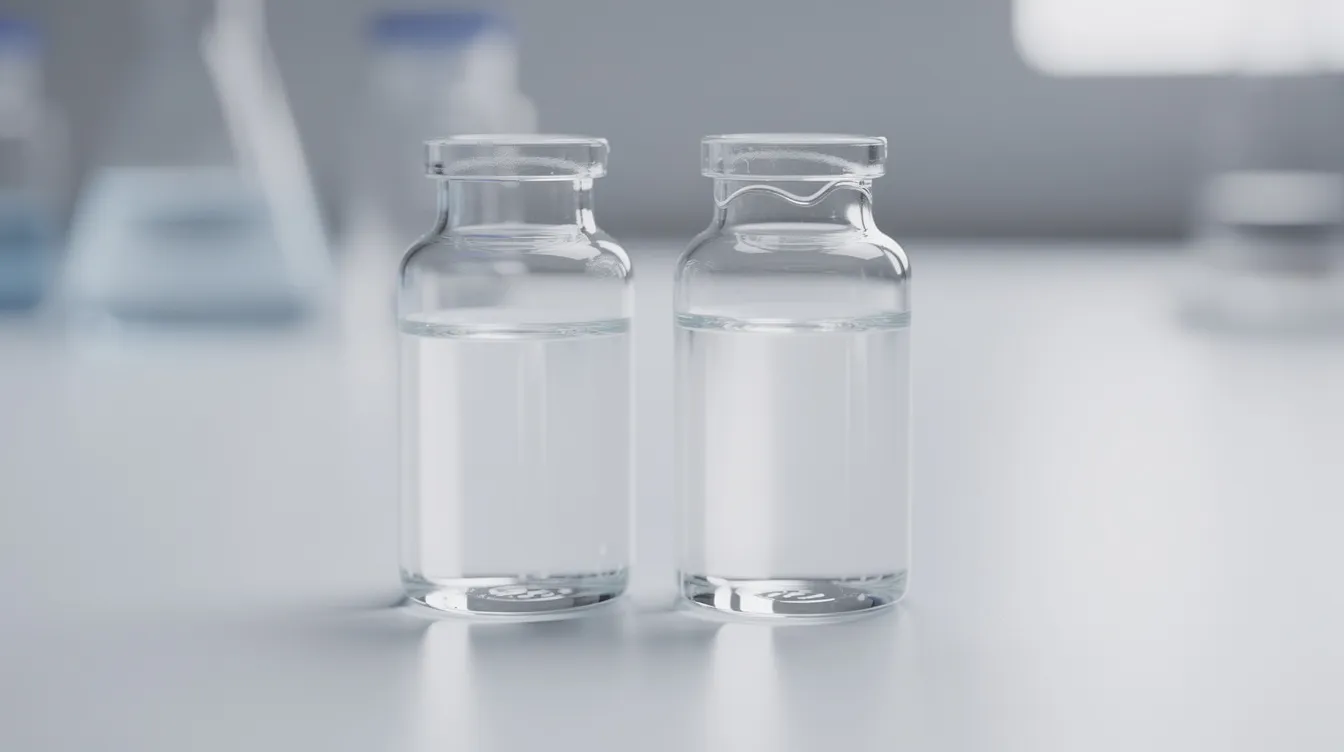
What Is Glycol?
Glycol refers to a class of chemical compounds in the alcohol family characterized by the presence of two hydroxyl groups attached to carbon atoms, making them diols. The two main types discussed here are the two glycols ethylene glycol and propylene glycol. They are the main types used in heat-transfer systems as colorless, odorless, viscous liquid antifreezes.
Glycol vs Water: Role of Heat Transfer Fluid
Adding glycol to water primarily lowers the freezing temperatures of the solution, preventing ice formation in cooling and heating systems exposed to cold environments. Additionally, glycol raises the boiling point, enhancing the liquid’s stability under high temperatures. These combined effects make glycols essential in maintaining efficient and safe operation of cooling systems and heating loops.
Ethylene Glycol: Properties, Risks, Uses
Ethylene glycol is a colorless, odorless liquid with a sweet taste and lower viscosity compared to propylene glycol, which benefits heat transfer efficiency. It is preferred in sealed, closed-loop industrial systems because of its performance efficiency. One example is its use as an antifreeze in HVAC systems. It is also a key ingredient in polyester fiber production and polyethylene terephthalate manufacturing. However, ethylene glycol is toxic to humans and animals, requiring careful handling to prevent human or animal exposure.
Ethylene Glycol Toxicity and Environmental Impact
Ethylene glycol ingestion can cause severe metabolic acidosis. It is highly toxic, with a lethal dose estimated between 1,400 and 1,600 mg/kg. It biodegrades aerobically over 10 to 30 days but can deplete oxygen in aquatic environments, posing environmental risks. Spill response should prioritize containment and proper disposal to minimize harm. This is a major concern in applications with possible human or wildlife contact, unlike propylene glycol, which is generally recognized as safe.
Propylene Glycol: Properties, Safety, Uses
Propylene glycol is a viscous, colorless, and nearly odorless liquid with a faintly sweet taste. It is generally recognized as safe (GRAS) and widely used in food production, cosmetics, and pharmaceuticals as part of product formulation. The body metabolizes it into pyruvic acid. Its applications include open-loop HVAC systems and antifreeze solutions where its non-toxic profile makes it suitable when accidental ingestion or skin contact is possible.
Propylene Glycol in HVAC Systems and Food Applications
Propylene glycol solutions are suitable for open-loop HVAC systems because of their safety profile. Food-grade propylene glycol is commonly used in concentrations ranging from 30% to 60% to achieve desired freezing temperatures while maintaining low toxicity.
Main Differences: Ethylene Glycol vs Propylene Glycol
The difference between propylene glycol and ethylene glycol starts with safety and application fit. In terms of performance, ethylene glycol has a lower viscosity and is more thermally conductive than propylene glycol, giving it better heat transfer performance and making it ideal for closed-loop systems prioritizing thermal efficiency. Propylene glycol has a higher viscosity, which increases friction loss and reduces heat transfer efficiency but offers enhanced safety due to its low toxicity. Additionally, ethylene glycol solutions typically have more effective freeze point depression per concentration, while propylene glycol solutions are favored where environmental persistence and toxicity are concerns.
Heat Transfer Performance and HVAC Systems
The lower viscosity of ethylene glycol reduces pump horsepower requirements and improves flow rates, enhancing heat exchanger performance. In contrast, propylene glycol’s higher viscosity demands more pumping power and can reduce thermal efficiency. When occupant safety and environmental exposure are concerns, propylene glycol is recommended despite its lower thermal performance.
Viscosity, Freeze Point, and Thermal Efficiency Data
Key metrics such as viscosity at low temperatures, freezing point depression, and thermal conductivity should be considered when selecting glycol compounds. Ethylene glycol can maintain pumpable fluidity at lower temperatures than propylene glycol, which becomes more viscous as temperatures drop. For example, when mixed with water, ethylene glycol in the right form can protect systems at temperatures close to -50°F, depending on concentration.
Mixing Propylene Glycol With Ethylene Glycol
While ethylene glycol and propylene glycol are chemically compatible and can be mixed without harming the cooling system, such mixtures dilute thermal performance. For critical specifications, especially in industrial settings, mixing is generally discouraged.
Propylene Glycol vs Ethylene Glycol: Compatibility and Testing
To differentiate between propylene glycol and ethylene glycol in systems, both of which may be present, specific gravity and refractometer tests determine which one is present. If results are inconclusive, laboratory analysis should be performed to ensure correct identification and appropriate system maintenance.
System Selection, Operation, and Safety for Water Treatment Specialists
Water treatment specialists must carefully select glycol types based on toxicity risks, thermal performance requirements, and site-specific conditions. Key considerations include:
- Glycol Concentration and Sizing: Determine freeze protection levels and viscosity limits tailored to expected environmental temperatures and pump capabilities, incorporating safety margins for reliable operation.
- Monitoring and Maintenance: Regularly check glycol concentration and corrosion inhibitor levels; inspect pumps and filters to maintain system integrity and performance.
- Testing and Analysis: Collect representative fluid samples for on-site tests such as specific gravity and refractive index. Periodic comprehensive laboratory analyses help verify fluid condition and detect contamination.
- Regulatory and Safety Compliance: Follow regional regulations requiring personal protective equipment (PPE) when handling ethylene glycol due to its toxicity. Ensure proper disposal or recycling to minimize environmental impact.
This integrated approach ensures optimal system performance while prioritizing safety and environmental responsibility.
Case Studies and Application Scenarios
In various applications, the choice between ethylene glycol and propylene glycol depends on system requirements and safety considerations. Key examples include:
- Closed-loop HVAC systems in commercial buildings often prefer ethylene glycol for its superior thermal efficiency.
- Food-processing facilities select propylene glycol to avoid contamination risks due to its low toxicity.
- Cold-climate hydronic systems balance glycol concentration and viscosity to optimize freeze protection and pump performance.
Conclusion and Recommendations: Ethylene Glycol vs Propylene Glycol
For applications prioritizing thermal efficiency without risk of human or animal exposure, ethylene glycol is preferred. Where safety, low toxicity, and environmental considerations are paramount, propylene glycol is the recommended choice. Evaluate site-specific risks and performance needs to select the appropriate glycol solution and ensure optimal system operation.
Frequently Asked Questions (FAQs)
What are the main differences between ethylene glycol and propylene glycol?
Ethylene glycol and propylene glycol differ primarily in toxicity, heat transfer efficiency, and application suitability. Ethylene glycol offers better thermal performance with lower viscosity but is highly toxic. Propylene glycol is safer, with lower toxicity, making it suitable for food, pharmaceutical, and cosmetic industries, though it has higher viscosity and lower heat transfer efficiency.
Can ethylene glycol and propylene glycol be mixed in water treatment systems?
Yes, they can be mixed without harming the cooling system. However, mixing tends to reduce overall heat transfer performance and is generally discouraged in critical industrial applications where precise thermal efficiency is required.
Why is propylene glycol preferred in food and pharmaceutical applications?
Propylene glycol is generally recognized as safe (GRAS) by regulatory bodies like the FDA. It is non-toxic, biodegradable, and metabolized safely by the body, making it ideal for applications where accidental ingestion or contact with products is possible.
How does viscosity affect the performance of glycol-based heat transfer fluids?
Viscosity influences the fluid’s resistance to flow. Ethylene glycol has lower viscosity, which reduces friction loss and pumping energy requirements, enhancing heat transfer efficiency. Propylene glycol’s higher viscosity can increase friction loss and reduce thermal performance, especially at lower temperatures.
What safety precautions are necessary when handling ethylene glycol?
Due to its toxicity, handling ethylene glycol requires personal protective equipment (PPE) such as gloves and eye protection. Spill containment and proper disposal methods are essential to minimize environmental harm and prevent human or animal exposure.
How can water treatment specialists test for the type of glycol in a system?
Specific gravity and refractive index tests can differentiate ethylene glycol from propylene glycol. If these tests are inconclusive, laboratory analysis is recommended to accurately identify the glycol type for proper system maintenance.
What factors should guide the selection of glycol type in water treatment systems?
Selection depends on toxicity risk, thermal performance needs, environmental exposure, and system design. Closed-loop systems prioritizing heat transfer efficiency may favor ethylene glycol, while open-loop or food-related systems benefit from the safety profile of propylene glycol.
