
Modern Water Treatment Technologies for Industrial Application
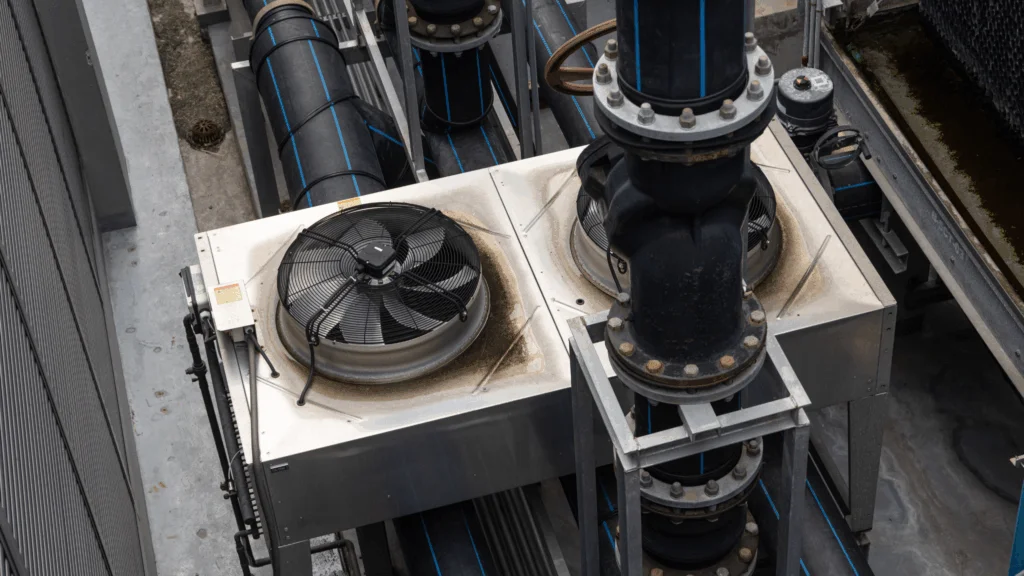
Water treatment technologies are evolving rapidly as industrial facilities face increasing pressure to manage water quality, reduce water usage, and meet stricter regulatory requirements. For operators, the challenge is no longer just treating water — it is selecting the right combination of water treatment technologies to handle complex contaminants, optimize performance, and support long-term sustainability. […]
Industrial Wastewater Treatment Process Explained
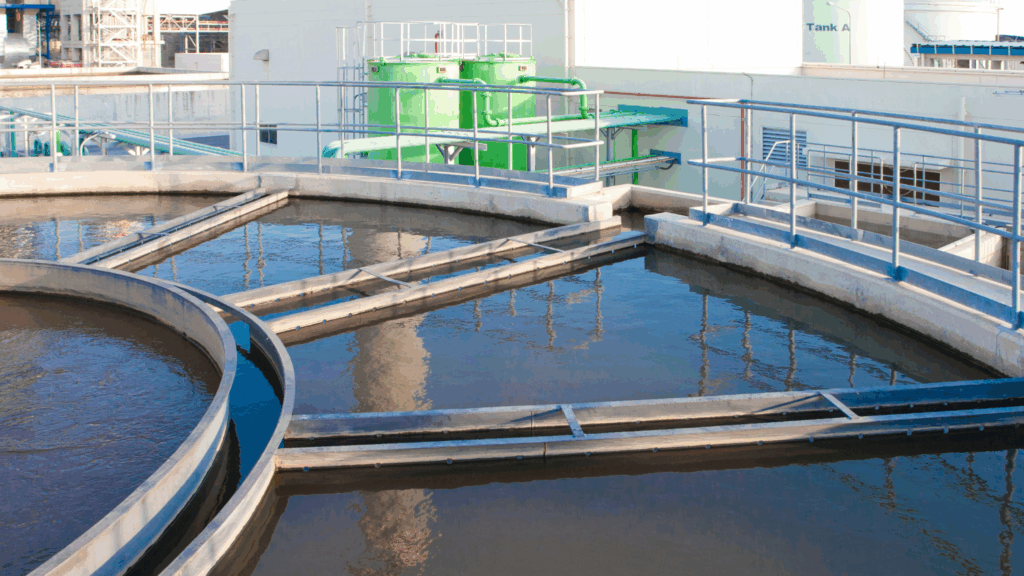
The industrial wastewater treatment process is the backbone of compliant, efficient industrial operations. Every facility that uses water generates industrial wastewater — and how that wastewater is treated determines regulatory compliance, operating costs, and long-term system reliability. For operators, the industrial wastewater treatment process is not a single step. It is a sequence of treatment […]
Cooling Tower Cleaning: Methods and Best Practices
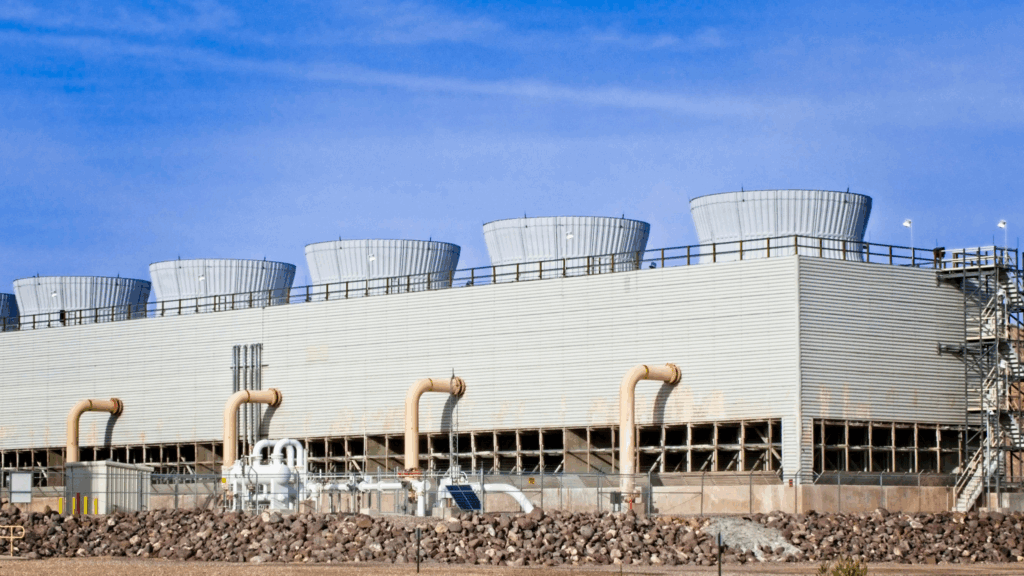
Cooling tower cleaning is one of the most important maintenance activities for keeping cooling systems operating efficiently and safely. Most operators understand that cooling towers are exposed to air, water, and debris, but what is often underestimated is how quickly a cooling tower can accumulate contaminants that impact performance. Over time, dirt, debris, scale, and […]
Cooling Tower Freeze Protection Methods
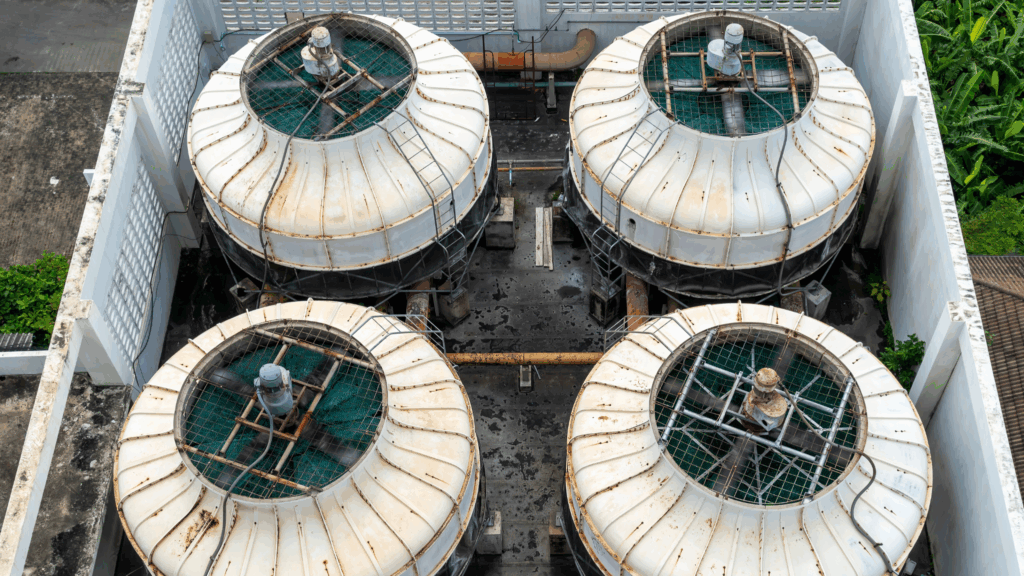
Cooling tower freeze protection becomes a real issue the moment temperatures drop below operating assumptions. Most cooling towers are designed around heat rejection, not cold weather operation. When winter hits, the same system that efficiently dissipates heat can quickly become vulnerable to freezing, ice buildup, and mechanical damage. For operators, the challenge is not just […]
pH Control in Industrial Water Treatment
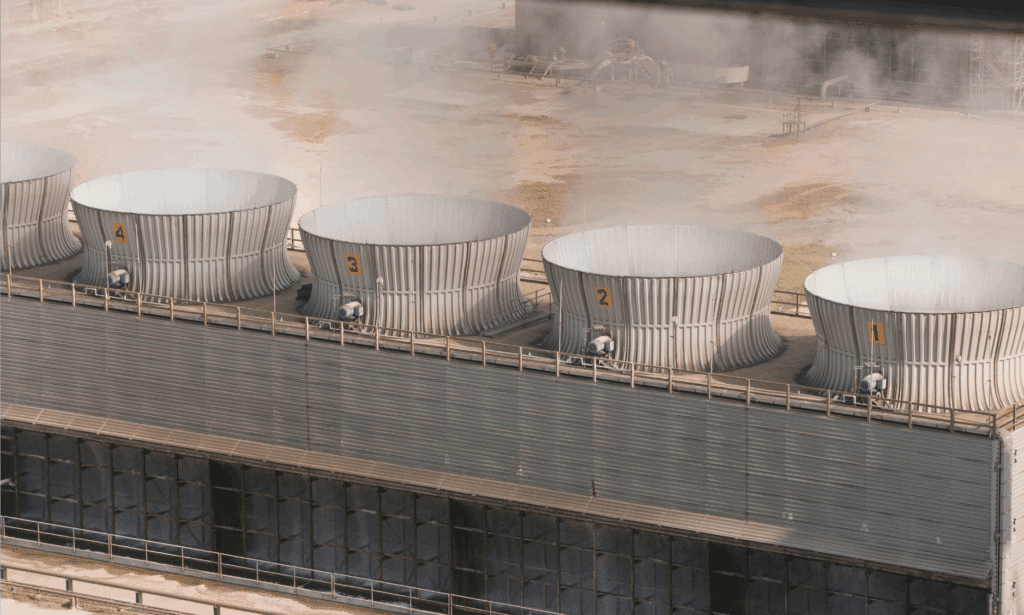
pH control is one of the most important aspects of industrial water treatment, yet it is often treated as a simple number instead of a dynamic control process. In reality, pH control determines how water behaves in a system, how chemicals react, and whether equipment operates efficiently or fails over time. For operators, pH is […]
Water Disinfection Effectiveness in Water Systems
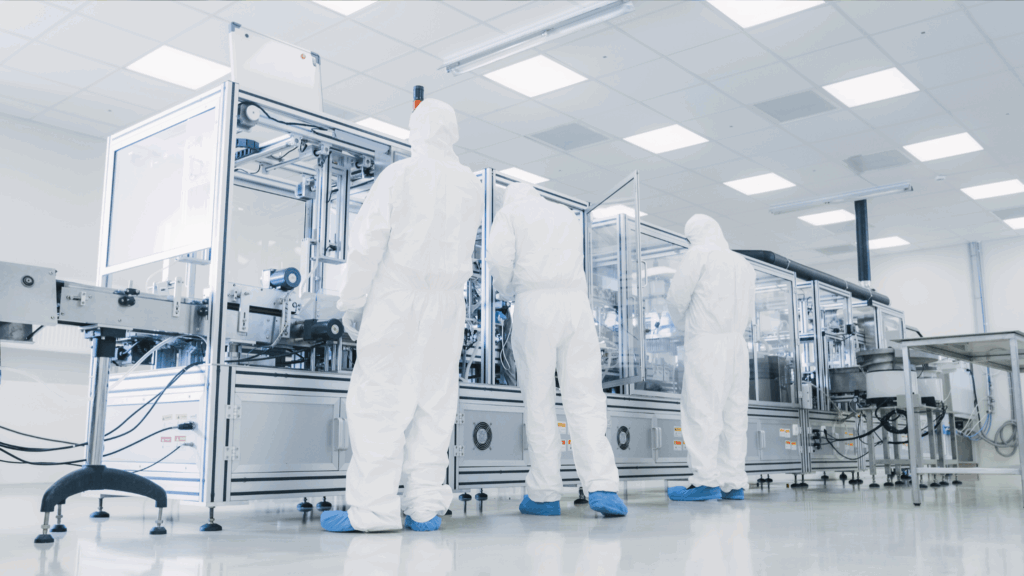
Water disinfection effectiveness is one of the most critical factors in maintaining safe and reliable water systems across industrial facilities, commercial buildings, and municipal infrastructure. While most systems rely on chemical disinfectants or ultraviolet disinfection, the real challenge is not applying treatment – it is ensuring that treatment is consistently effective under real operating conditions. […]
Using Chlorine Dioxide for Biofilm Control
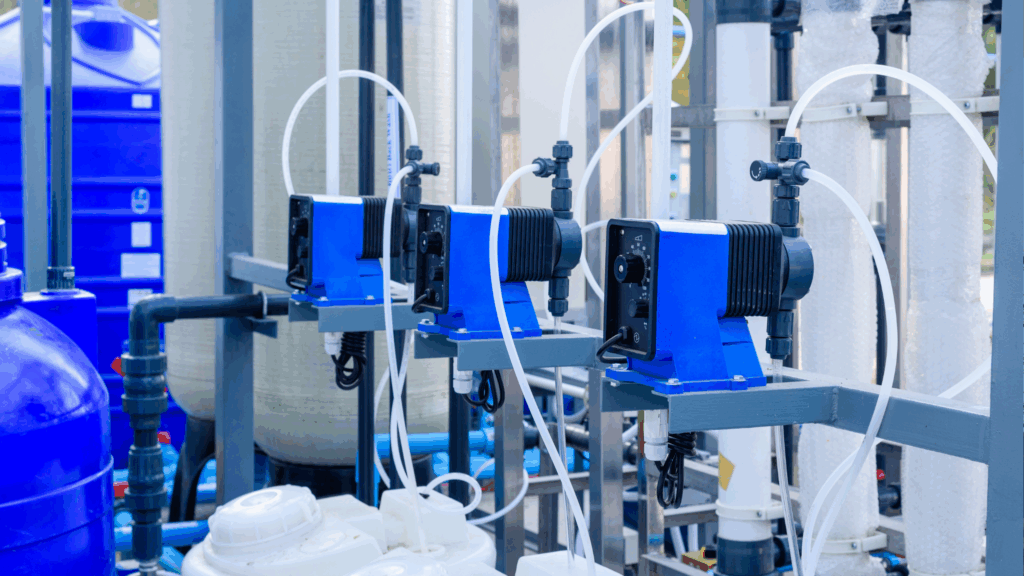
Chlorine dioxide biofilm control is one of the most effective strategies available for managing persistent biological growth in industrial water systems. Operators dealing with biofilm buildup know that once biofilm formation is established, traditional disinfectants often lose effectiveness. This is where chlorine dioxide offers a different approach. Unlike conventional chlorine-based treatment, chlorine dioxide acts as […]
Data Center Water Treatment: Managing Water, Cooling, and Efficiency in Modern Facilities
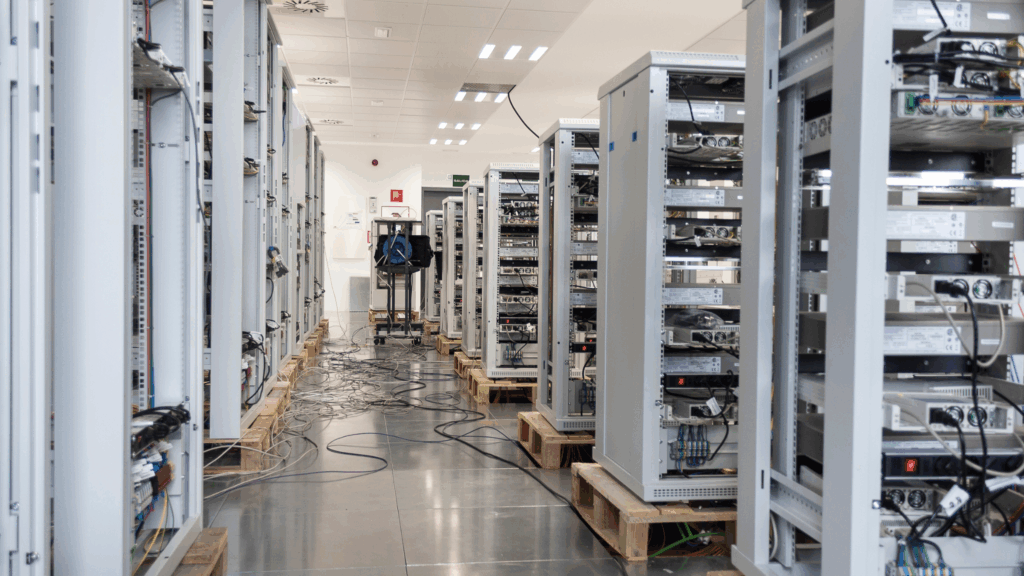
Data center water treatment has become a critical focus as data center operations scale rapidly across industries. While most people associate data centers with energy usage, water usage is just as important. Cooling infrastructure depends heavily on water systems to remove heat and maintain optimal temperatures. For data center operators, managing water quality, water consumption, […]
Water Chemistry Basics for Industrial Systems
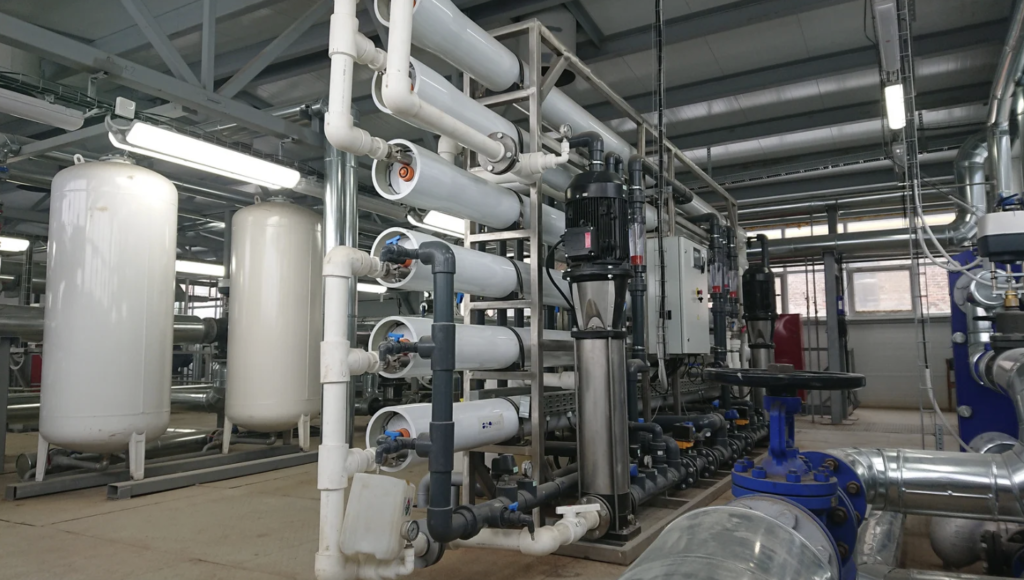
Water chemistry is one of the most important factors in maintaining reliable industrial systems, but most operators do not think about it until something goes wrong. Pumps still run, flow still moves, and temperatures look normal on the surface. Meanwhile, water chemistry is quietly shifting in the background, driving scale, corrosion, and fouling. In industrial […]
Common Cooling System Problems in Industrial Facilities
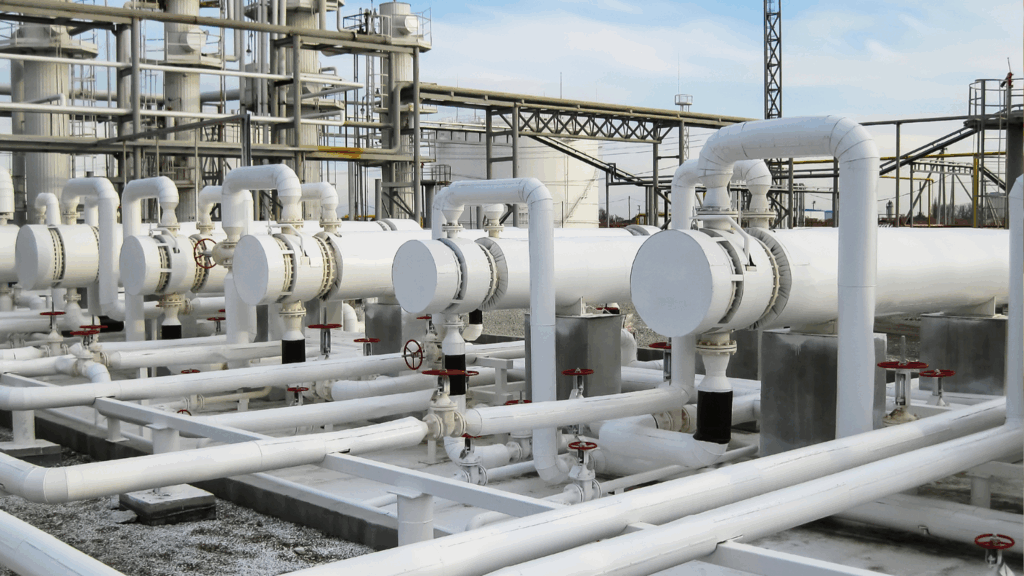
Cooling system problems in industrial facilities rarely start with obvious failure. Systems continue to run while efficiency drops, heat removal becomes inconsistent, and operators compensate without seeing the root cause. Over time, these small deviations lead to larger system problems, higher energy use, and increased maintenance. In any cooling system, the job is the same: […]
