
Water treatment technologies are evolving rapidly as industrial facilities face increasing pressure to manage water quality, reduce water usage, and meet stricter regulatory requirements. For operators, the challenge is no longer just treating water — it is selecting the right combination of water treatment technologies to handle complex contaminants, optimize performance, and support long-term sustainability.
Modern water treatment technologies are designed to address a wide range of conditions, from contaminated water and wastewater reuse to high purity water production for sensitive industrial processes. Understanding how these technologies work in practice allows facilities to make better decisions about their water treatment systems.
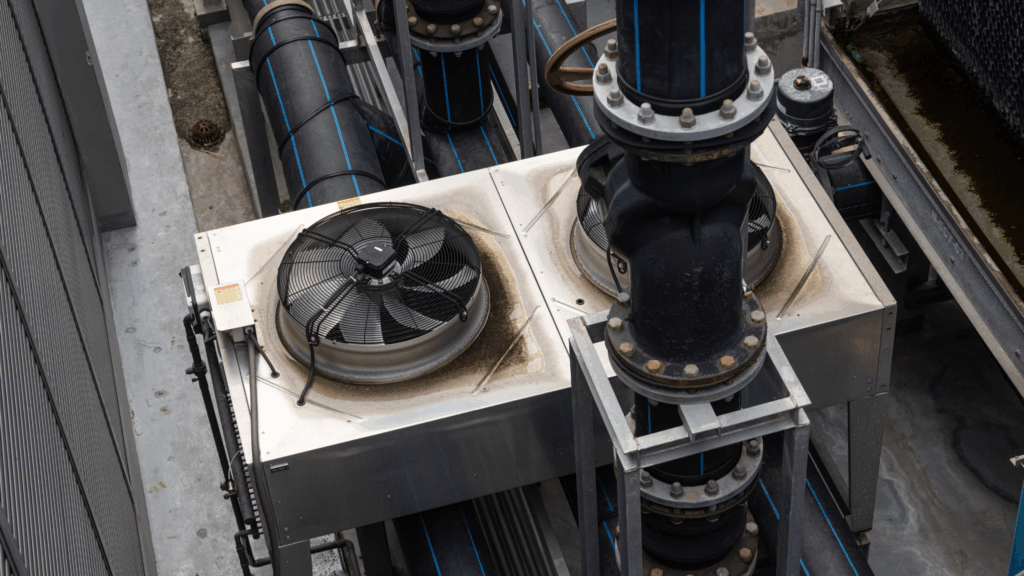
Why Water Treatment Technologies Matter
Water treatment technologies directly impact system reliability, operating costs, and compliance. Industrial operations generate waste streams that contain multiple contaminants, including organic compounds, heavy metals, oils, and suspended particles.
Without proper treatment technologies, facilities face:
- Reduced water quality and system performance
- Increased equipment fouling and corrosion
- Higher disposal and treatment costs
- Regulatory non-compliance risks
Modern water treatment technologies provide the tools needed to manage these challenges effectively.
Overview of Modern Water Treatment Technologies
Most water treatment systems rely on a combination of technologies rather than a single method. Each technology addresses specific contaminants or process requirements.
| Technology | Purpose | Common Applications |
|---|---|---|
| Filtration | Remove suspended solids and turbidity | Pre-treatment, industrial processes |
| Membrane filtration | Remove fine particles and dissolved substances | Reverse osmosis, reuse systems |
| Chemical treatment | Adjust chemistry and remove contaminants | Scaling control, precipitation |
| Advanced oxidation processes | Break down complex organic pollutants | Industrial wastewater treatment |
| UV and ozone systems | Disinfection and microbial control | Drinking water, reuse systems |
These treatment technologies are often combined to achieve high quality water across various purposes.
Filtration and Pre-Treatment Technologies
Filtration is typically the first step in any water treatment process. It removes suspended solids, debris, and larger particles that can interfere with downstream equipment.
Common filtration technologies include:
- Sand filtration
- Cartridge filtration
- Multimedia filtration
Filtration helps protect equipment and improves the efficiency of advanced treatment technologies.
For example, facilities that use cooling tower filtration improve system performance by reducing contaminants before they accumulate.
Membrane Filtration and Reverse Osmosis
Membrane filtration is one of the most widely used modern water treatment technologies. These systems use membranes with specific pore size to separate contaminants from water.
Reverse osmosis is a key technology in this category. It removes dissolved substances, including salts, heavy metals, and organic compounds.
Benefits of reverse osmosis include:
- Production of high quality water
- Removal of multiple contaminants
- Support for water reuse applications
See how reverse osmosis water treatment is used in industrial systems.
Chemical Treatment Methods
Chemical treatment remains a core part of water treatment technologies. It is used to control water chemistry and remove contaminants through chemical reactions.
Common chemical treatment methods include:
- Coagulation and flocculation to remove suspended particles
- Chemical precipitation to remove heavy metals
- pH adjustment to stabilize water chemistry
Chemical treatment is essential for controlling scaling, corrosion, and other system issues.
Advanced Oxidation Processes
Advanced oxidation processes (AOPs) are used to treat complex and emerging contaminants that are difficult to remove with conventional methods.
These processes often involve:
- Hydrogen peroxide
- Ozone
- UV light
AOPs generate reactive species that break down organic pollutants into simpler compounds.
These technologies are particularly useful for treating industrial wastewater and contaminated water streams.
Disinfection Technologies
Disinfection is critical for maintaining safe water supplies and protecting public health.
Modern disinfection technologies include:
- Chlorine-based disinfectants
- UV disinfection systems
- Ozone treatment
Each method has advantages and limitations. Many facilities use a combination of disinfection technologies to ensure effective treatment.
Water Reuse and Sustainability Technologies
Water reuse is becoming a key focus for industrial facilities. Modern water treatment technologies support reuse by producing treated water suitable for various applications.
Reuse applications include:
- Cooling systems
- Irrigation
- Process water
Technologies supporting reuse include:
- Membrane filtration
- Reverse osmosis
- Advanced oxidation processes
These systems help reduce water usage and improve sustainability.
Treating Industrial Wastewater
Industrial wastewater treatment requires specialized technologies to handle diverse contaminants.
Treatment systems are designed to remove:
- Organic pollutants
- Heavy metals
- Oil and grease
- Dissolved solids
Facilities often combine multiple treatment technologies to achieve effective treatment.
Selecting the Right Water Treatment Technologies
Choosing the right water treatment technologies depends on several factors.
- Type of contaminants present
- Required water quality
- System design and capacity
- Regulatory requirements
Each facility must evaluate these factors to determine the most effective treatment solutions.
Integration with Water Treatment Systems
Modern water treatment technologies must be integrated into a complete system.
This includes:
- Monitoring and control systems
- Chemical dosing equipment
- Filtration and membrane systems
Proper integration ensures consistent performance and reliable operation.
Challenges in Implementing Modern Technologies
While modern water treatment technologies offer significant benefits, they also present challenges.
- High capital and operating costs
- Complexity of system design
- Need for skilled operation and maintenance
Facilities must balance these factors when implementing new technologies.
Best Practices for Using Water Treatment Technologies
Facilities that successfully implement water treatment technologies follow consistent practices.
- Monitor water quality continuously
- Maintain equipment and systems
- Optimize treatment processes based on data
These practices help maximize efficiency and extend equipment life.
Frequently Asked Questions
What are water treatment technologies
They are systems and methods used to remove contaminants and improve water quality.
Why are modern technologies important
They allow facilities to treat complex contaminants and meet regulatory requirements.
What is reverse osmosis used for
It removes dissolved substances and produces high quality water.
How do advanced oxidation processes work
They break down organic pollutants using reactive chemical reactions.
Can water be reused after treatment
Yes, many treatment technologies support water reuse for industrial applications.
Improve Your Water Treatment Strategy
Modern water treatment technologies provide powerful tools for managing water quality and improving system performance. Facilities that adopt the right technologies can reduce costs, improve efficiency, and support long-term sustainability.
If your facility is evaluating water treatment solutions or upgrading systems, contact our team today to review your process and identify the right approach.
