
Clean-in-Place (CIP): How It Works in Industrial Systems
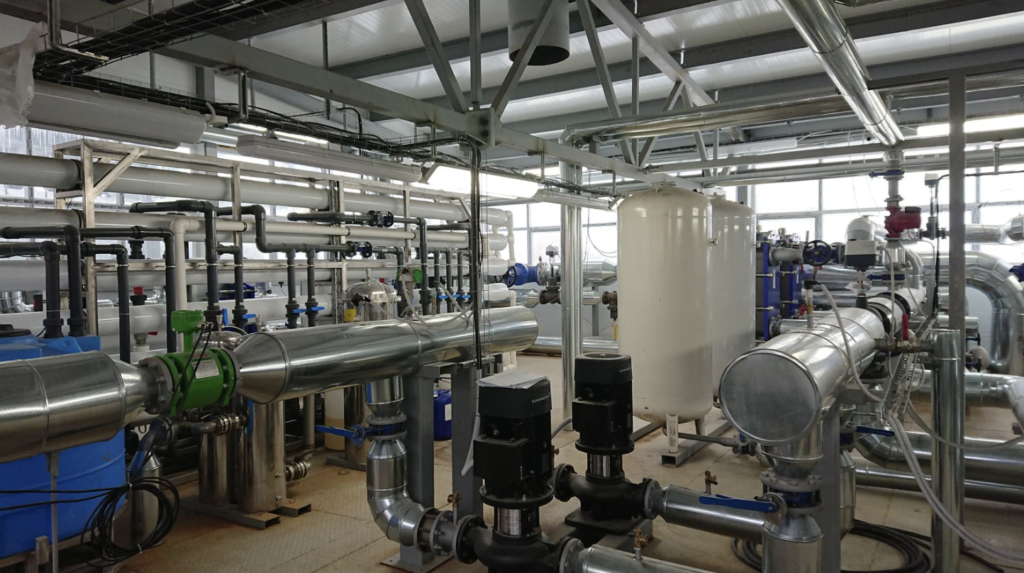
Clean in place is one of the most important maintenance and hygiene processes used across industrial systems. In industries such as food and beverage, chemical processing, and water treatment, equipment must be cleaned on a regular basis without dismantling. That is where CIP systems provide a major operational advantage. Instead of manual cleaning, a clean […]
Odor Emissions in Water Treatment Systems
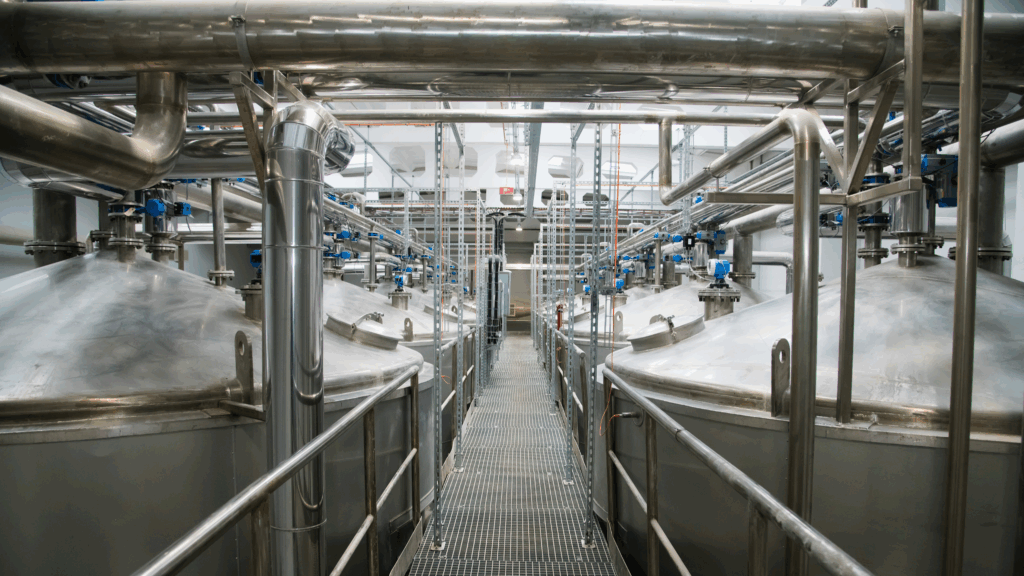
Odor emissions are one of the fastest ways a water treatment issue becomes a public problem. Operators may see stable flows and acceptable process numbers, but if nuisance odors are present, complaints follow quickly. In wastewater treatment plants and industrial facilities, odor emissions are tied to how processes handle organics, how air is managed, and […]
HVAC Condensation: Causes and Water System Impacts
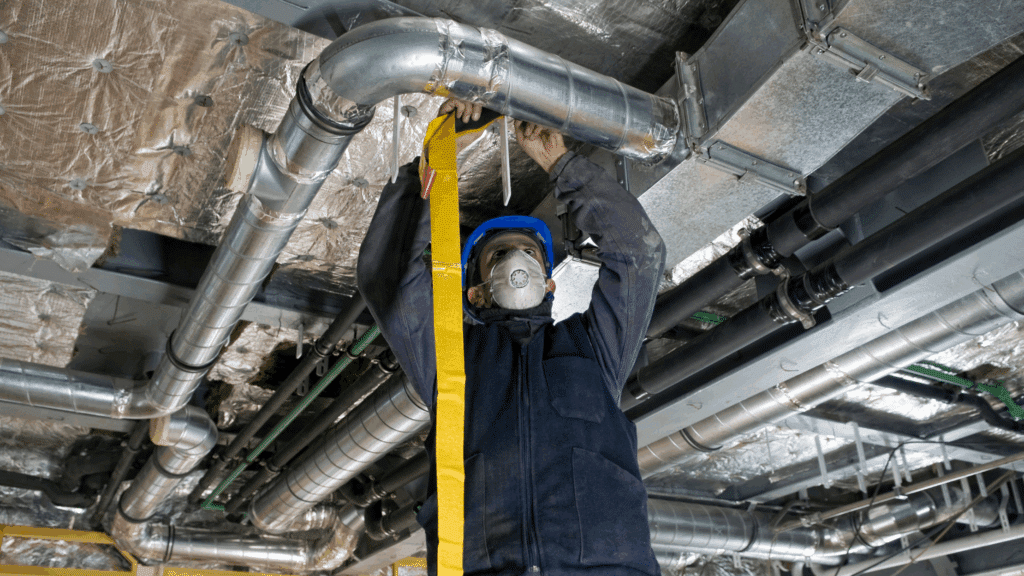
HVAC condensation is one of those issues that looks minor at first but turns into a system problem if it is not managed correctly. Most operators expect some condensation as part of the cooling process. The problem is not that condensation forms. The problem is where it goes, how it is drained, and what happens […]
Biofilm Control in Water Systems
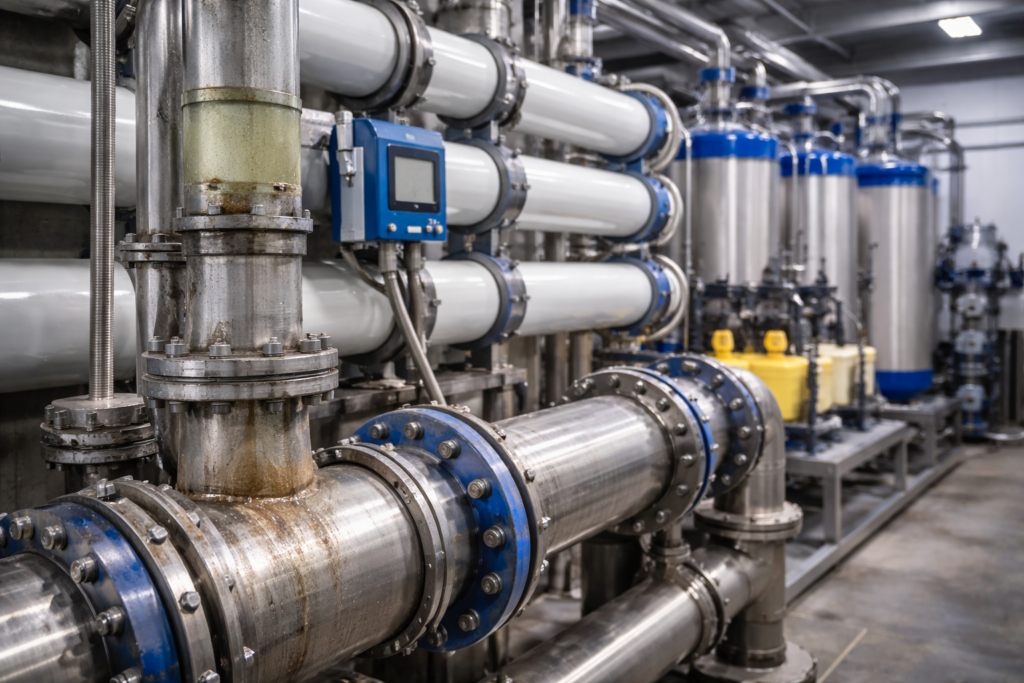
Biofilm control is one of the most persistent challenges in water systems. Operators see it as fouling, pressure loss, and inconsistent performance. Underneath that, biofilm formation is a biological process where microorganisms attach to surfaces, grow, and build a protective structure that resists treatment. In practice, biofilm control is not a single step. It is […]
Corrosion Monitoring in Industrial Water Systems
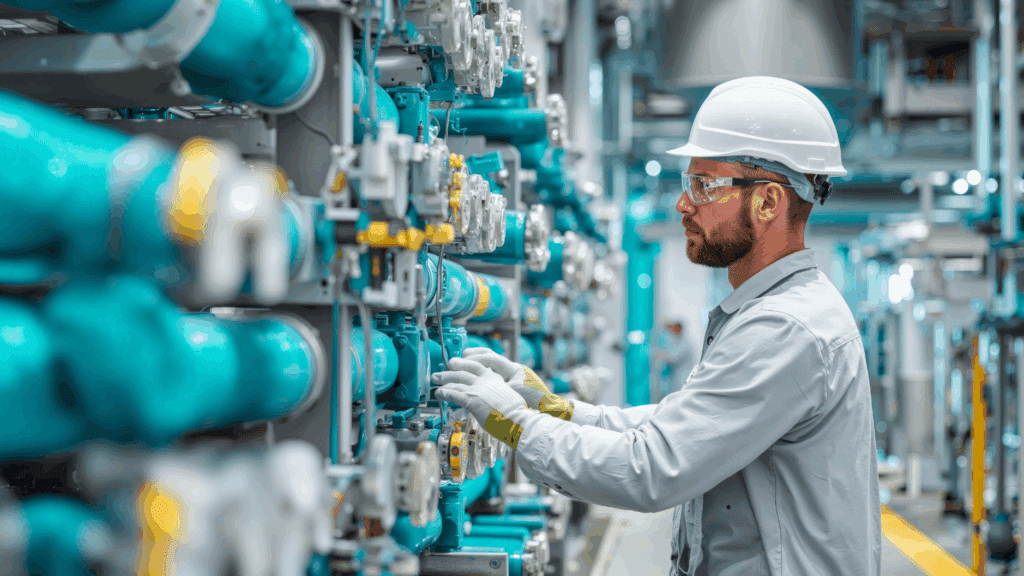
Corrosion monitoring is one of those things that tends to get attention only after something fails. In most industrial water systems, corrosion does not start as a visible problem. It develops slowly through electrochemical reactions, small changes in water chemistry, and operating conditions that shift over time. By the time corrosion is obvious, metal loss […]
Water Treatment Challenges in Universities and Campuses
University water treatment is one of the more complex environments operators deal with, not because the technology is different, but because everything is happening at once. Campuses function like small cities. They have their own water distribution, wastewater collection, research labs, housing, food services, and healthcare facilities. Each of these creates different water and wastewater […]
Legionella Management Programs Explained

Legionella management is often treated as a compliance checkbox. In real systems, it is a continuous discipline tied to how water systems actually behave. Operators see it when temperature drifts, when disinfectant residual drops, and when stagnant water develops in parts of the system that rarely get attention. Legionella bacteria occur naturally in water. The […]
Water System Maintenance for Commercial Buildings

Water system maintenance is one of those areas that rarely gets attention until something fails. In most commercial buildings, water systems run in the background. When they are operating correctly, no one notices. When they are not, the impact shows up quickly in water quality issues, equipment failures, and costly repairs. For facility managers and […]
Boiler Water Quality: Key Parameters to Monitor
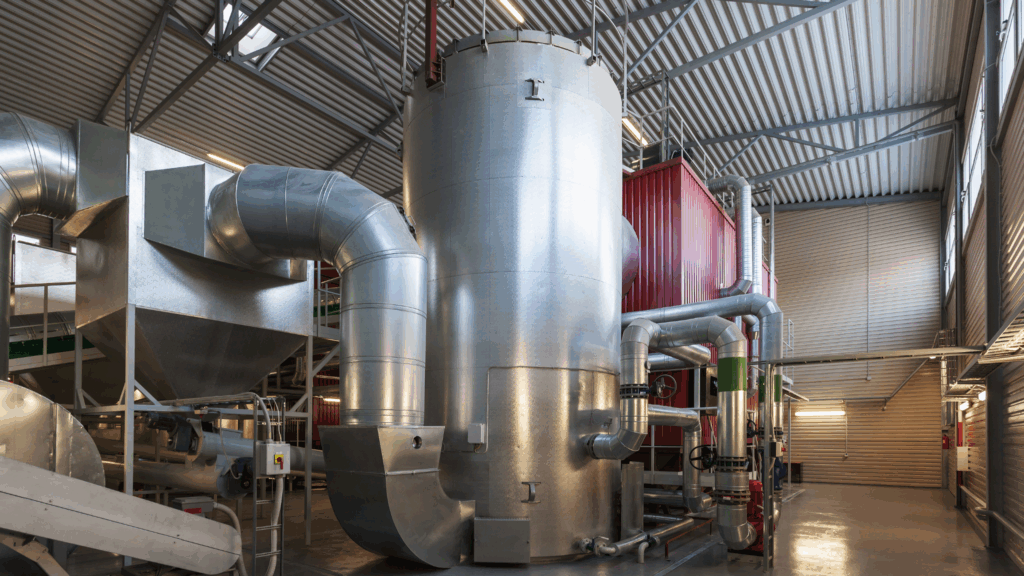
Boiler water quality is one of the main drivers of performance, reliability, and equipment life in steam systems. Most boiler problems do not start with the burner or controls. They start with the water. When water quality drifts, you see it in pressure swings, fouling on heat transfer surfaces, and rising maintenance. For operators, the […]
Water Security for Commercial and Industrial Facilities
Water security is usually discussed at a global level, tied to climate change, population growth, and long-term sustainability. For operators and facility managers, water security is far more practical. It shows up when water supplies become inconsistent, when water quality drifts outside acceptable limits, and when treatment systems struggle to keep up with demand. In […]
