
The industrial wastewater treatment process is the backbone of compliant, efficient industrial operations. Every facility that uses water generates industrial wastewater — and how that wastewater is treated determines regulatory compliance, operating costs, and long-term system reliability.
For operators, the industrial wastewater treatment process is not a single step. It is a sequence of treatment stages designed to remove suspended solids, organic pollutants, heavy metals, and dissolved contaminants before discharge or reuse.
This article breaks down how the industrial wastewater treatment process works in practice — not as a textbook flowchart, but as a system operators manage every day.
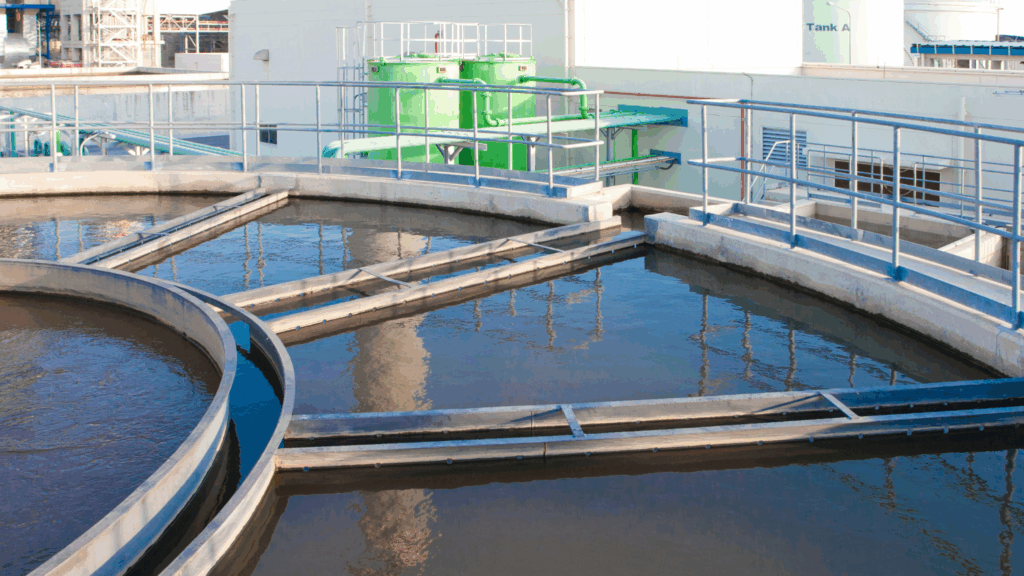
What Is Industrial Wastewater Treatment?
Industrial wastewater treatment refers to the processes used to treat wastewater generated from industrial operations such as chemical manufacturing, food processing, mining wastewater, and electric power plants.
Unlike municipal systems, industrial wastewater often contains:
- High concentrations of organic compounds
- Heavy metals and toxic compounds
- Oils and grease
- Fine suspended solids
Because of this variability, industrial wastewater treatment methods must be tailored to the wastewater stream.
Overview of the Industrial Wastewater Treatment Process
Most industrial wastewater treatment systems follow a staged approach.
| Stage | Purpose | Key Methods |
|---|---|---|
| Primary treatment | Remove large solids | Screening, sedimentation |
| Secondary treatment | Remove organic matter | Biological treatment, activated sludge |
| Tertiary treatment | Polishing and advanced removal | Membrane filtration, advanced oxidation |
Each stage plays a role in ensuring effective treatment and protecting downstream equipment and water bodies.
Primary Treatment: Removing Suspended Solids
Primary treatment focuses on removing large and fine suspended solids from the wastewater flow.
Common physical treatment methods include:
- Screening to remove debris
- Sedimentation to settle solids
- Dissolved air flotation for oil water separation
This stage reduces the load on downstream treatment processes and improves overall treatment efficiency.
Secondary Treatment: Biological Treatment
Secondary treatment uses biological processes to break down organic matter in the wastewater stream.
The most common method is activated sludge, where microorganisms consume organic pollutants.
Biological treatment methods are used to:
- Reduce biochemical oxygen demand
- Remove organic waste
- Stabilize wastewater before further treatment
Activated sludge systems require careful control of aeration, nutrient balance, and wastewater flow.
Tertiary Treatment: Advanced Processes
Tertiary treatment is used when higher levels of treatment are required.
Common tertiary processes include:
- Membrane filtration for fine particle removal
- Reverse osmosis for dissolved solids removal
- Activated carbon adsorption for organic compounds
- Advanced oxidation processes for persistent contaminants
For systems requiring high-quality effluent, see how reverse osmosis water treatment is applied in advanced treatment systems.
Chemical Treatment Methods
Chemical treatment plays a critical role in the industrial wastewater treatment process.
Common chemical treatment methods include:
- Chemical precipitation for heavy metals removal
- pH adjustment to support treatment processes
- Coagulation and flocculation to remove fine suspended solids
Chemical reactions are used to convert dissolved pollutants into removable forms.
Membrane Filtration and Advanced Systems
Membrane filtration is widely used in modern industrial wastewater treatment systems.
These systems:
- Remove fine suspended solids
- Reduce dissolved pollutants
- Support water reuse and zero liquid discharge
Advanced systems help facilities reduce disposal costs and improve water management.
Water Reuse and Zero Liquid Discharge
Many industrial facilities are moving toward water reuse and zero liquid discharge systems.
These approaches aim to:
- Minimize wastewater discharge
- Reduce water usage
- Improve sustainability
Treated industrial wastewater can be reused in cooling systems or other processes, reducing reliance on fresh water supply.
Industry-Specific Treatment Considerations
Different industries generate different types of wastewater.
Food and Beverage Processing
Wastewater contains organic materials and requires biological treatment and filtration.
Chemical Manufacturing
Wastewater may contain toxic compounds and requires advanced treatment technologies.
Mining Wastewater
Heavy metals and suspended solids require chemical treatment and precipitation.
Each application requires a customized industrial wastewater treatment process.
Regulatory Requirements and Compliance
Industrial wastewater treatment must meet discharge permits set by regulatory agencies.
Facilities must ensure:
- Proper treatment before discharge to sewer system or water bodies
- Protection of publicly owned treatment works
- Compliance with environmental standards
Failure to meet these requirements can lead to fines and operational restrictions.
Integration with Water Treatment Systems
Industrial wastewater treatment is closely linked to overall water treatment programs.
Facilities often integrate:
- Cooling tower water treatment
- Boiler water treatment
- Process water management
For example, maintaining proper cooling tower water treatment helps reduce contamination entering the wastewater stream.
Common Challenges in Industrial Wastewater Treatment
Operators face recurring challenges across treatment systems.
- Variability in wastewater generated
- High concentrations of organic pollutants
- Equipment fouling and scaling
- Balancing treatment efficiency with cost
Effective wastewater management requires continuous monitoring and adjustment.
Best Practices for Effective Treatment
Facilities that maintain efficient industrial wastewater treatment systems follow consistent practices.
- Monitor wastewater flow and quality continuously
- Adjust treatment processes based on data
- Maintain equipment and filtration systems
- Optimize chemical dosing
These practices improve treatment effectiveness and reduce long-term costs.
Frequently Asked Questions
What is the industrial wastewater treatment process?
It is the sequence of treatment stages used to remove contaminants from wastewater generated by industrial operations.
Why is wastewater treatment important?
It protects public health, ensures regulatory compliance, and reduces environmental impact.
What are the main treatment stages?
Primary, secondary, and tertiary treatment stages remove solids, organic matter, and dissolved pollutants.
What industries require wastewater treatment?
Most industrial facilities including food processing, chemical manufacturing, and power plants.
Can treated wastewater be reused?
Yes, many facilities reuse treated wastewater to reduce water consumption.
Improve Your Industrial Wastewater Treatment Process
The industrial wastewater treatment process is not static. It requires continuous monitoring, optimization, and system integration to remain effective.
If your facility is evaluating wastewater treatment systems or improving treatment performance, contact our team today to review your process and identify opportunities for improvement.
