
Cooling system problems in industrial facilities rarely start with obvious failure. Systems continue to run while efficiency drops, heat removal becomes inconsistent, and operators compensate without seeing the root cause. Over time, these small deviations lead to larger system problems, higher energy use, and increased maintenance.
In any cooling system, the job is the same: move heat away, maintain stable operating temperature, and protect equipment. In a vehicle’s cooling system, that shows up as engine overheating and a rising temperature gauge. In industrial facilities, the same physics appears as rising process temperatures, reduced cooling capacity, and unstable operation.
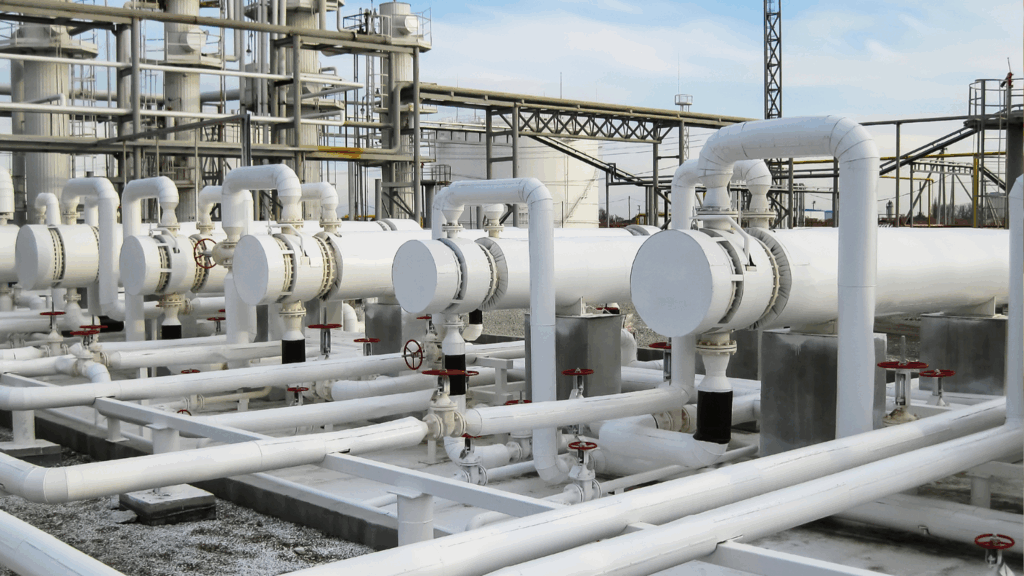
Why Cooling System Problems Develop
Cooling system problems develop when flow, temperature, water quality, and components fall out of balance.
Common drivers include:
- Poor water quality leading to scale and corrosion
- Inadequate coolant flow through piping and heat exchangers
- Wear in pumps and moving components
- Debris and fouling that restrict flow
- Gaps in maintenance practices
In a car’s cooling system, these show up quickly as overheating. In industrial systems, they develop gradually and are often harder to detect without monitoring.
Common Cooling System Problems (Industrial Context)
Scale Formation and Fouling
Scale is one of the most common cooling system problems. Dissolved minerals form deposits on heat transfer surfaces, acting as insulation.
Impact:
- Reduced heat transfer
- Higher operating temperature
- Increased energy consumption
In automotive terms, this is similar to a clogged radiator reducing heat rejection. In facilities, the same issue occurs inside heat exchangers and cooling tower fill.
Corrosion and Leaks
Corrosion leads to metal loss and leaks across the system. In a vehicle, coolant leaks are visible under the hood. In industrial facilities, leaks appear in piping, valves, and heat exchangers.
Impact:
- Loss of coolant
- Reduced pressure and flow
- Risk of costly repairs
Early signs include visible leaks, pressure drops, and changes in coolant levels.
Flow Problems and Pump Degradation
The water pump in a vehicle circulates coolant. In industrial facilities, circulation pumps perform the same role.
A failing water pump or restricted flow path results in:
- Reduced coolant flow
- Hot spots within the system
- Reduced cooling efficiency
Operators may notice unusual noises, reduced flow rate, or temperature fluctuations.
Overheating and Temperature Instability
Overheating is one of the most recognizable cooling system problems. In a car, this appears as engine overheating and a rising temperature gauge. In industrial systems, it appears as:
- Rising operating temperature
- Process instability
- Reduced production efficiency
Common causes include low coolant levels, fouling, or poor flow.
Cooling Tower Performance Issues
Cooling towers introduce additional complexity.
Common issues include:
- Poor air distribution and airflow
- Fouling of cooling tower components
- Water distribution problems across fill media
Understanding how cooling tower types operate helps identify where performance losses originate.
Key Components That Drive Problems
| Component | Industrial Issue | Automotive Analogy |
|---|---|---|
| Heat exchangers | Fouling and scale | Clogged radiator |
| Pumps | Reduced flow or failure | Failing water pump |
| Piping and hoses | Leaks and corrosion | Damaged hoses |
| Cooling towers | Biological growth and scaling | Radiator airflow issues |
The terminology differs, but the underlying system problems are the same.
Warning Signs Operators Should Watch
Cooling system problems usually provide early warning signs before failure.
- Rising temperature beyond normal operating range
- Reduced cooling capacity
- Increased chemical usage
- Visible fouling or deposits
In vehicles, this would be a dashboard warning light or rising temperature gauge. In facilities, it shows up in performance data and system behavior.
Role of Water Treatment in Preventing Cooling System Problems
Water treatment is one of the most effective ways to prevent cooling system problems.
A strong program helps:
- Control scale formation
- Minimize corrosion
- Reduce biological fouling
Facilities that maintain consistent cooling tower water treatment programs experience fewer issues and more stable operation.
Maintenance Practices That Reduce Risk
Regular maintenance is essential for avoiding system problems.
- Inspect hoses and piping for leaks
- Monitor coolant levels and pressure
- Clean heat exchangers and cooling towers
- Verify pump performance and flow
Routine maintenance prevents small issues from becoming major failures.
System Design and Capacity Issues
Some cooling system problems are not maintenance related.
Examples include:
- Undersized systems that cannot meet demand
- Poor flow distribution within piping networks
- Lack of redundancy in critical systems
In these cases, solving system problems requires evaluating system design rather than just performing repairs.
Impact on Efficiency and Cost
Cooling system problems directly affect costs.
- Reduced efficiency increases energy consumption
- Fouling and scaling increase maintenance costs
- Downtime impacts production and operations
Addressing problems early helps maintain efficiency and reduce long-term costs.
Best Practices for Managing Cooling System Problems
Facilities that maintain reliable systems follow consistent practices.
- Monitor system performance continuously
- Maintain proper water treatment programs
- Identify and address leaks early
- Inspect components on a regular schedule
These practices improve reliability and prevent costly repairs.
Frequently Asked Questions
What are the most common cooling system problems
Scale, corrosion, leaks, and flow issues are the most common problems.
Why do cooling systems overheat
Overheating occurs when heat cannot be removed effectively due to fouling, low flow, or insufficient cooling capacity.
How can cooling system problems be prevented
Through proper water treatment, monitoring, and maintenance.
What role do pumps play in cooling systems
Pumps circulate coolant and maintain flow, which is critical for heat removal.
Why are leaks a major issue
Leaks reduce coolant levels, lower pressure, and lead to efficiency loss.
Maintain Reliable Cooling System Performance
Cooling system problems are inevitable over time, but they can be controlled. Facilities that monitor conditions, maintain equipment, and address issues early can keep systems operating efficiently.
If your facility is dealing with cooling system problems or declining performance, contact our team today to review your system and identify where improvements can be made.
