
Corrosion Control in Water Treatment Systems
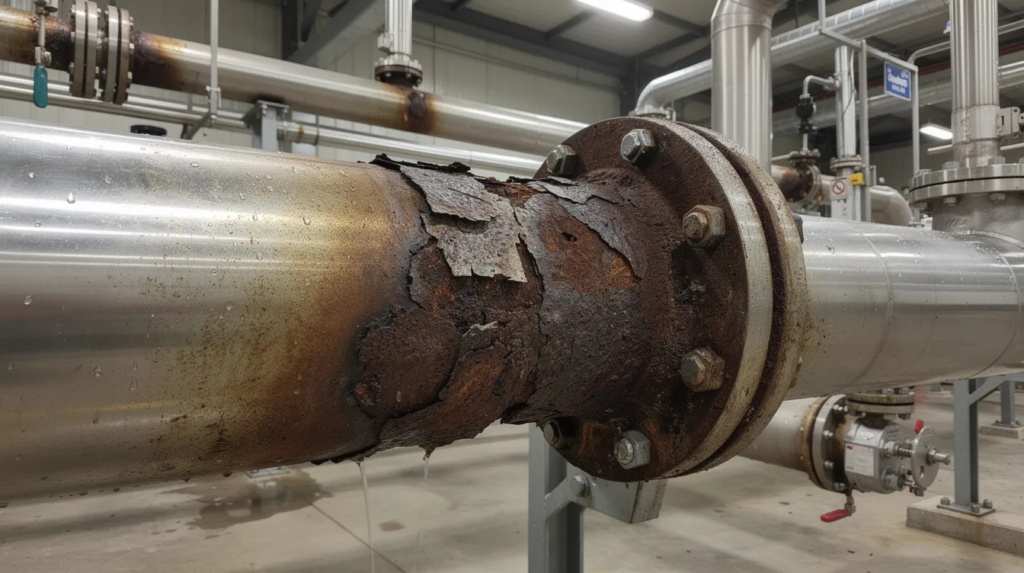
Water treatment corrosion control is essential to protect infrastructure, ensure water quality, and maintain operational efficiency. This article provides an accessible overview of corrosion mechanisms, inhibitors, and implementation strategies to help manage and mitigate corrosion effectively. Key Takeaways Corrosion Basics Corrosion is the gradual deterioration of materials, especially metals, due to chemical or electrochemical reactions […]
Common Cooling Tower Problems and Solutions
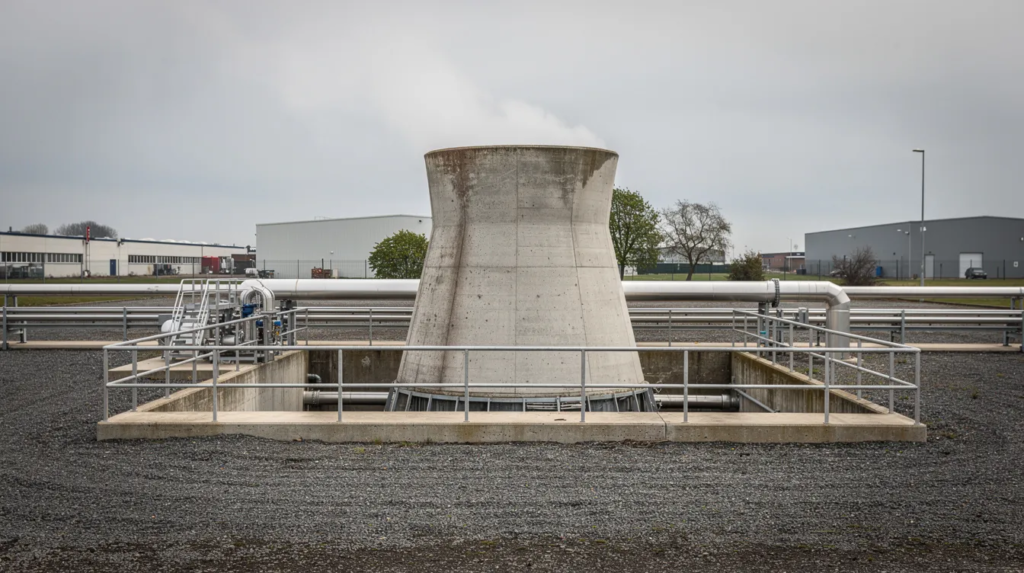
Cooling towers are critical components in many industrial processes and HVAC systems, responsible for transferring heat and maintaining optimal thermal efficiency. However, they face numerous challenges that can impair performance, increase operational costs, and pose regulatory risks. This article provides clear, actionable troubleshooting and prevention steps to effectively address common cooling tower problems. Key Takeaways […]
Closed Loop Water Treatment Standards Explained
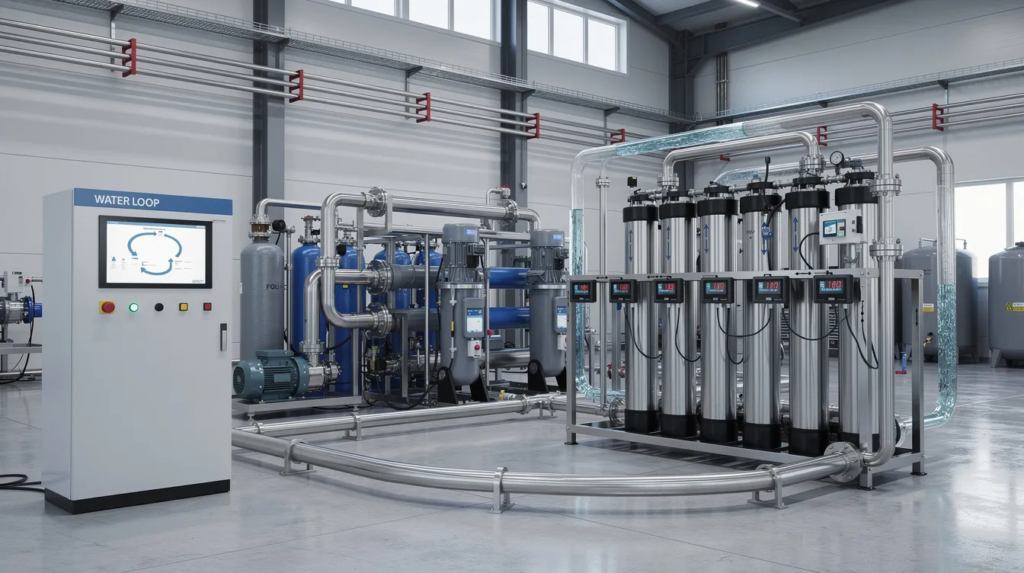
Closed loop water treatment standards are essential guidelines designed to ensure the efficient and reliable operation of closed recirculating water systems. This article aims to clarify these standards, providing practical insights to optimize system performance, reduce operational costs, and extend equipment life. Key Takeaways What Closed Loop Systems Are A closed loop system is a […]
Water Treatment Trends in Industrial Facilities
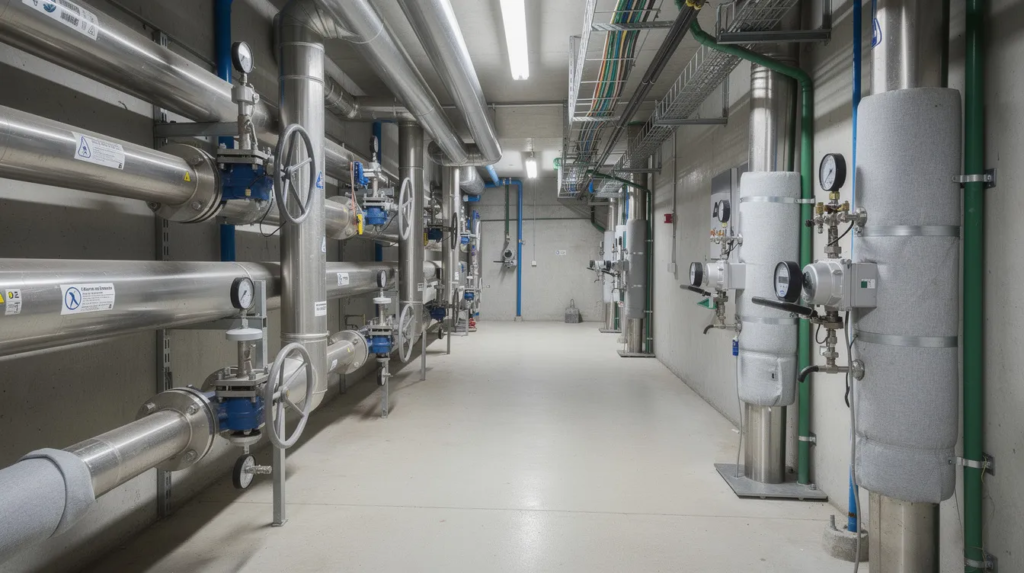
Water treatment in industrial facilities is evolving rapidly, driven by regulatory pressures, sustainability goals, and technological advancements. This article explores the top trends shaping industrial water treatment, highlighting practical implications for facility managers tasked with ensuring efficient, compliant, and cost-effective operations. Key Takeaways Industry Drivers: Wastewater Management and Environmental Sustainability The global water treatment market […]
How to Prevent Legionella in Building Water Systems
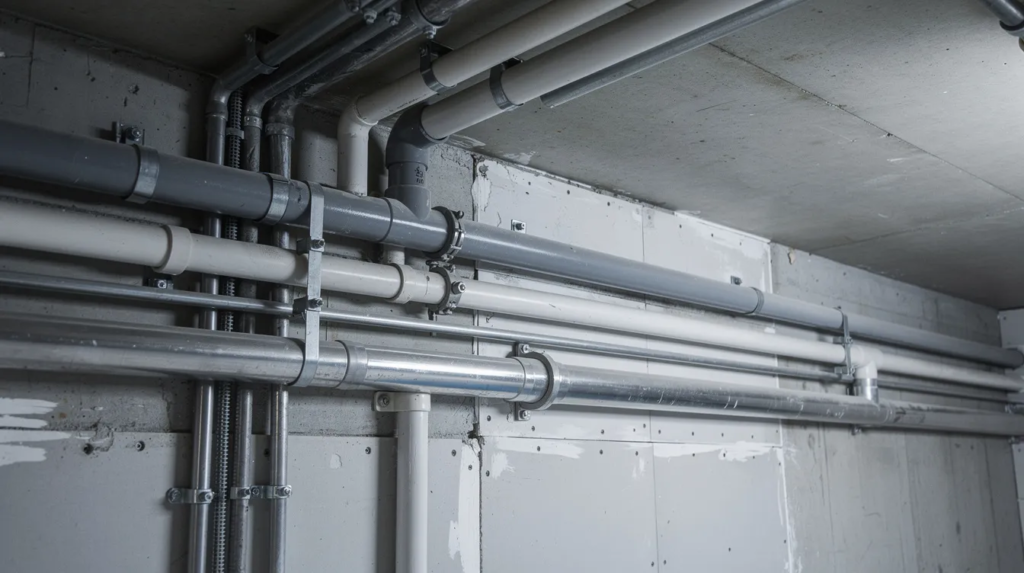
Legionella bacteria can pose serious health risks when they grow in building water systems. This article explains how to prevent Legionella by implementing effective water management strategies, maintaining safe water temperatures, and conducting routine maintenance to protect building occupants. Key Takeaways Understanding Legionella Growth and Legionnaires Disease Risk Legionella bacteria thrive in warm water environments […]
ASHRAE Standard 241 Explained for Building Water Systems
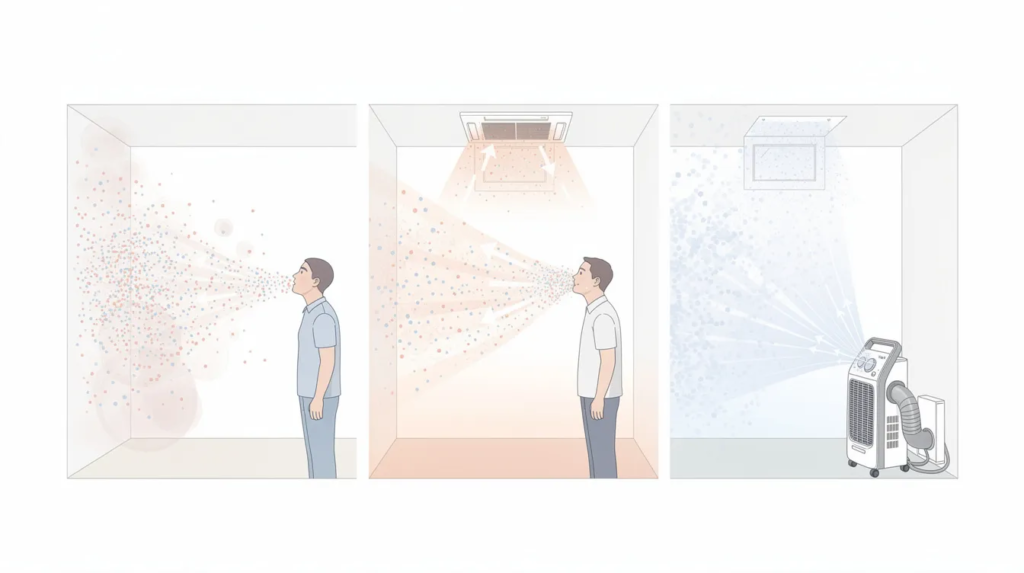
ASHRAE Standard 241 is a new guideline designed to reduce the risk of infectious aerosol transmission in buildings, focusing on improving indoor air quality (IAQ). This article will present the new standard and explain its relevance, including how Standard 241 targets infectious aerosols and why building water systems play a crucial role in maintaining healthy […]
Reverse Osmosis Skid Systems Explained
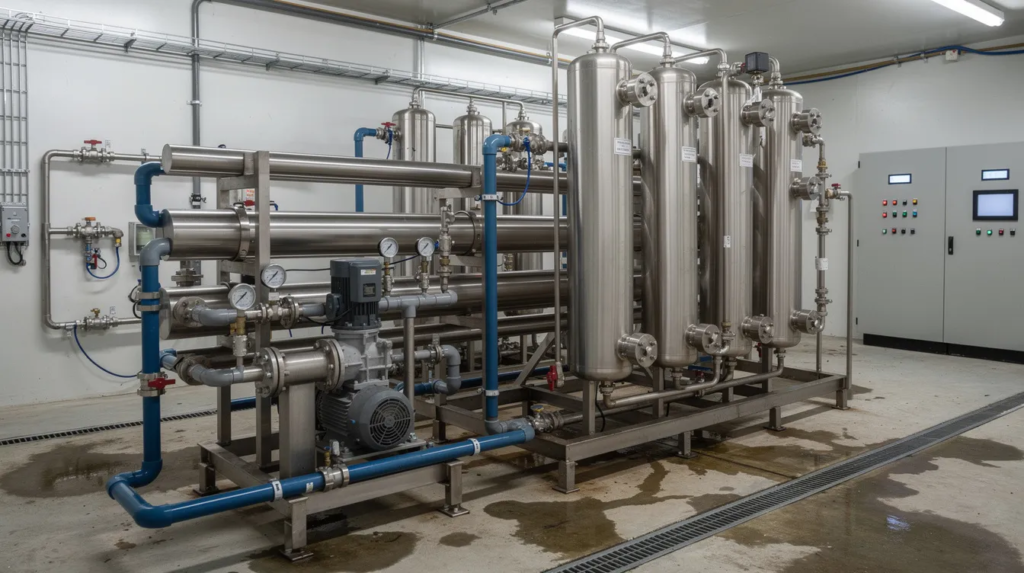
Reverse osmosis skid systems are compact, modular water treatment units pre-assembled on a single frame to deliver high-quality purified water efficiently. For water treatment professionals, plant operators, engineers, and decision-makers in industries such as food and beverage, pharmaceuticals, electronics manufacturing, and municipal water treatment, understanding how these packaged systems are designed, operated, and maintained is […]
Boiler Corrosion Inhibitors Explained
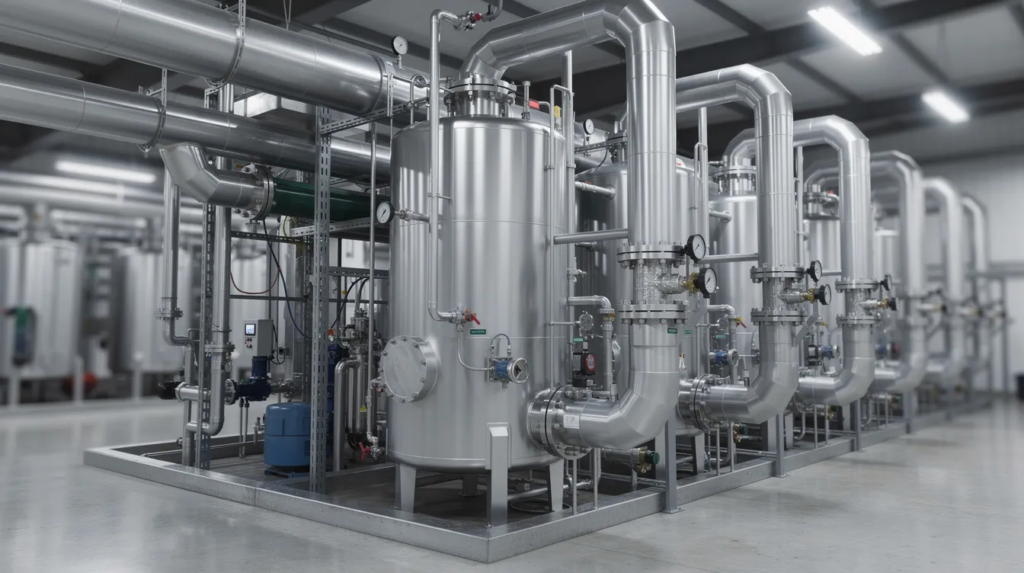
A boiler corrosion inhibitor is a chemical treatment used to prevent or reduce corrosion on metal surfaces inside boiler systems by forming a protective barrier or neutralizing corrosive elements. For boiler operators, maintenance teams, water treatment specialists, and others responsible for boiler reliability, this overview explains what causes corrosion, how it affects efficiency, energy use, […]
UV vs Chlorine for Water Treatment
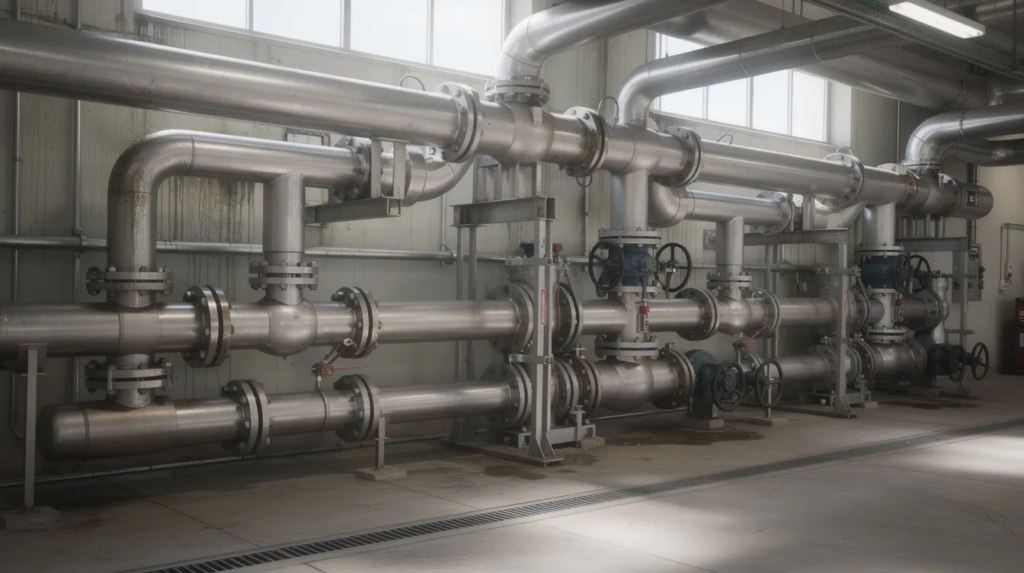
Water treatment is essential for ensuring safe, clean, and potable water for communities and industries. Two widely used disinfection methods are ultraviolet (UV) disinfection and chlorination. This article explores the main differences, advantages, and considerations between UV and chlorine for water treatment, with a focus on drinking water, wastewater, and industrial applications. Key Takeaways What […]
Cycles of Concentration in Cooling Towers Explained
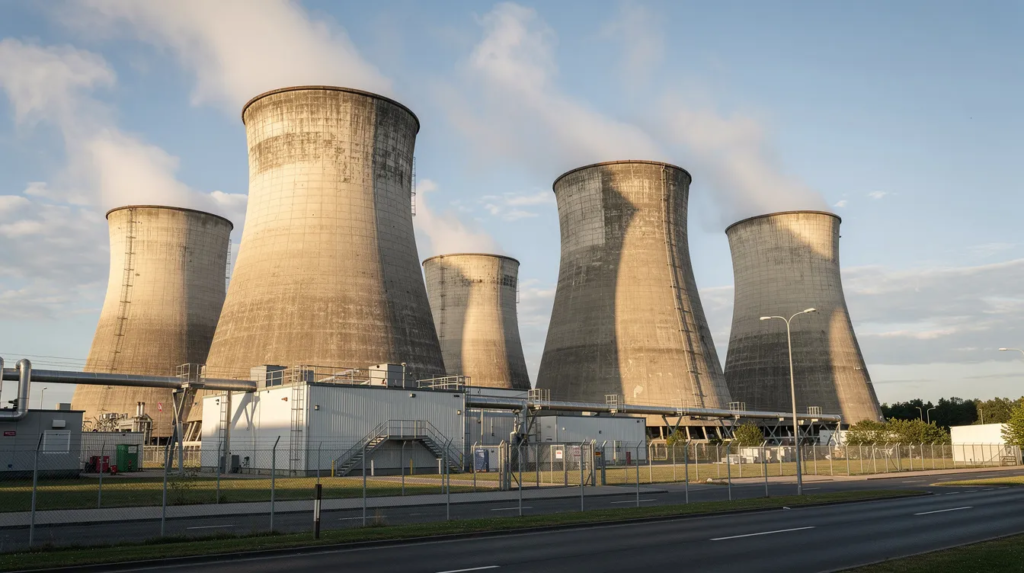
Cycles of concentration (COC) refer to the number of times water is recirculated in a cooling tower system before dissolved solids reach a concentration that requires removal through blowdown. For cooling tower operators, water treatment specialists, and facility managers, managing COC is a core part of balancing water efficiency with system longevity by limiting scale […]
