
Cooling towers are critical components in many industrial processes and HVAC systems, responsible for transferring heat and maintaining optimal thermal efficiency. However, they face numerous challenges that can impair performance, increase operational costs, and pose regulatory risks. This article provides clear, actionable troubleshooting and prevention steps to effectively address common cooling tower problems.
Key Takeaways
- Cooling tower performance hinges on balanced water chemistry and mechanical integrity.
- Early detection through routine inspections significantly reduces repair costs and downtime.
- Coordinated water treatment and filtration strategies prevent common water-related problems.
- Mechanical maintenance, including vibration control and lubrication, extends equipment lifespan.
- Structural assessments help determine when repairs are viable versus replacement necessity.
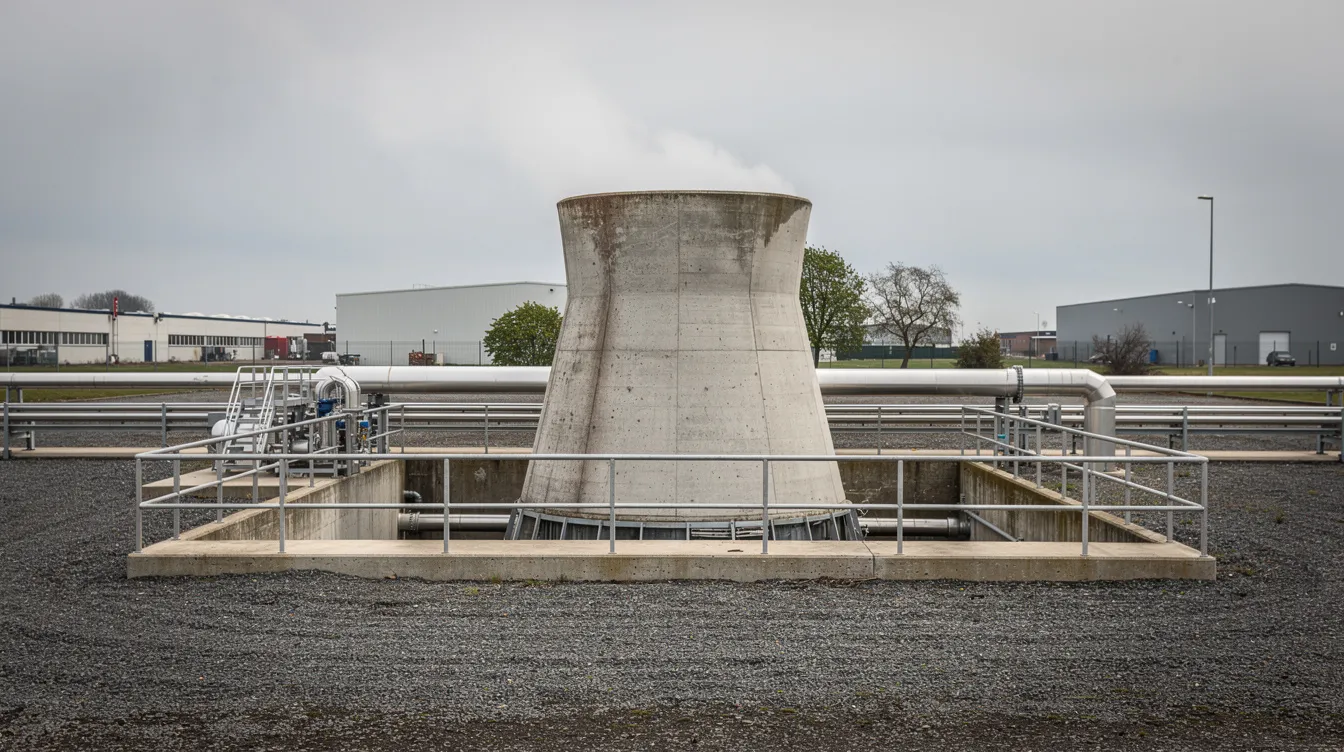
Why Cooling Tower Problems Matter to the Cooling System
Cooling tower problems directly impact the cooling tower system’s ability to transfer heat efficiently, leading to rising water temperatures and reduced cooling capacity. These issues can cause unexpected downtime, costly repairs, and compromised industrial processes. Moreover, poor water quality and biological growth increase Legionella risk, raising regulatory concerns and health hazards. Water treatment specialists and facility managers play a vital role in diagnosing and resolving these issues when cost, risk, and reliability are at stake to ensure safe, reliable tower operations.
Quick Diagnostic Framework for Cooling Towers
Effective troubleshooting begins with a systematic diagnostic approach, starting from water-side issues and progressing to mechanical faults. Cooling towers work by evaporative cooling, where heat is removed as a portion of the recirculating water evaporates. As water evaporates, dissolved solids become more concentrated and must be controlled through blowdown. Establish baseline metrics such as approach temperature, the difference between leaving water temperature and outdoor wet-bulb temperature, to monitor tower performance. Use a decision tree to identify common fault paths like fouling, scaling, or fan failure. When problems persist despite water and mechanical checks, escalate to structural or engineering reviews for comprehensive assessment.
Common Water-Related Cooling Tower Problems
Water quality is the primary driver of most cooling tower failures. Understanding cycles of concentration and managing blowdown water compared to makeup water are essential to controlling dissolved minerals and contaminants.
Scale Formation and Heat Transfer Loss
Scale deposits form when hardness and conductivity levels exceed solubility limits, creating mineral layers on heat transfer surfaces and tower fill. This reduces heat transfer efficiency and increases energy consumption. Calcium carbonate, a common component of scale, often forms in hard water conditions. Detect scaling visually and through regular water testing. Corrective treatments include acid cleaning and adjusting water chemistry, while preventive programs focus on controlling water hardness and maintaining proper cycles of concentration.
Corrosion and Chemical Attack
Corrosion occurs when acidic water or dissimilar metals interact, damaging metal components and structural members. Regular inspections can identify corrosion in cooling tower systems before damage spreads to structural and mechanical areas. Monitoring pH and corrosion inhibitor residuals helps manage corrosion risks. Short-term fixes involve applying epoxy coating or epoxy repair to affected areas, while long-term strategies include selecting corrosion-resistant materials and optimizing water treatment system chemistry to protect tower components.
Fouling and Blocked Water Distribution
Fouling from suspended solids, fine particles, and mineral deposits clogs nozzles and tower fill, causing uneven water distribution and reduced thermal performance. Cooling tower fill fouling can reduce heat transfer efficiency by 20-40%. Regular inspections and strainer maintenance prevent buildup. Mechanical cleaning combined with chemical treatments restores tower fill and improves heat transfer efficiency. High-efficiency filters remove particles down to 0.45 microns to help control scale-forming and fouling solids. Cooling tower fill typically requires replacement every 10 to 15 years when cleaning no longer restores performance.
Biological Growth and Health Risks
Microbiological contaminants such as bacteria, algae, fungi, and biofilms impair heat transfer and pose Legionella risks. Regular water samples and microbiological testing are crucial. Intact drift eliminators help reduce aerosol discharge and Legionella risk. Drift eliminator damage, such as cracks or missing sections, can increase water loss and aerosol emissions. Biocide strategies, including chlorine and non-chlorine alternatives, help control biological growth while minimizing corrosion and chemical damage.
Cycles of Concentration and Excessive Blowdown
Cycles of concentration measure dissolved solids in blowdown water compared to makeup water. Low cycles indicate excessive blowdown, wasting water and treatment chemicals. Maintaining cycles between three and six conserves water and optimizes chemical use. Conductivity setpoints and automated blowdown control tactics support efficient water management plans.
Cooling Tower Water Contamination and Waste Management
High dissolved solids and contaminants can originate from makeup water or internal system sources. Evaluating makeup water quality and exploring reuse opportunities reduce water consumption. Compliance with regulatory reporting and effluent management safeguards environmental responsibilities.
Mechanical Problems
Mechanical failures often follow water-side degradation, affecting fan blades, gearboxes, driveshafts, and motors. They can also impair associated heat exchangers by reducing overall thermal performance. Prioritize vibration analysis and compare readings to established baselines. Proper lubrication and alignment checks extend component life and prevent costly repairs.
Excessive Vibration and Fan Imbalance
Measure vibration at key points with acceptance limits around 0.2 in/sec. Inspect fan blades for erosion, damage, or debris buildup. Rebalance fans or replace blades when imbalance compromises tower performance or causes mechanical stress.
Gearboxes, Driveshafts, and Motor Concerns
Oil analysis and temperature trend monitoring detect early gearbox wear, including checking for metal debris in samples as a sign of component wear. Oil leaks can also signal impending gearbox failure or lubricant contamination. Electrical inspections identify VFD-related bearing currents that can cause premature motor failure. Moisture ingress is also a common cause of motor and electrical damage in wet tower environments. Replace components based on age, condition, and failure mode to avoid unplanned downtime, since cooling tower fan motor failures can cost $50,000 per day in downtime.
Air Flow and Cooling Tower Efficiency
Airflow is essential for transferring heat effectively. For reliable performance, airflow and tower capacity should be matched to the actual heat load. Restrictions from debris, damaged fan blades, or blocked air inlets reduce cooling capacity. Regular clearance of inlet and outlet areas ensures optimal airflow and thermal performance.
Structural Problems: Basin Leaks and Sealing Strategies
Inspect basin seams, pipe penetrations, and seals for leaks that cause water loss and chemical waste. Use dye tests or ultrasonic inspections to detect leaks. Temporary epoxy repairs or fiberglass liners address minor damage. However, severe deterioration may require cooling tower replacement.
Basin Leaks: Detection and Repair
Dye testing reveals hidden leaks, while ultrasonic gauges assess basin wall thickness. Epoxy coating or epoxy repair can restore integrity in localized areas. Document all repairs for lifecycle planning and budgeting, since a documented repair history helps determine when repeated basin work should give way to a new tower instead of continued patching.
Cooling Tower Water Treatment Best Practices
Tailored water treatment systems integrating side-stream filtration with biocide dosing optimize scale control, corrosion prevention, and biological management. Sampling plans should include key analytes such as pH, conductivity, corrosion inhibitors, and microbial counts.
Monitoring, Metrics, and Baseline Establishment
Establish thermal and vibration baselines to detect deviations early. Continuous logging of conductivity and water temperature enables trending analysis. Periodic performance reports empower tower operators to make informed maintenance decisions.
Troubleshooting Checklists for Rapid Response
For urgent water-side audits, verify water chemistry, visual fill condition, and nozzle distribution. Foaming from biological activity or contaminants may appear as cascading water or overflow at the tower face. For mechanical faults, check vibration levels, fan blade condition, and motor amperage. In case of Legionella detection, immediately isolate the system, notify stakeholders, and initiate remediation per water management plan protocols.
Preventive Maintenance and Long-Term Prevention Strategies
Schedule inspections by component with defined frequencies instead of waiting for reactive repair, since early action reduces failures and cost. Inspections should cover fill, fans, motors, and other tower components on a defined schedule. After maintenance, verify balancing and alignment to prevent recurring vibration. Regularly review treatment programs and conduct vendor audits to maintain optimal tower performance.
Ensuring Long-Term Cooling Tower Reliability
Preventing common cooling tower problems requires a proactive approach combining proper maintenance, water treatment, and mechanical care. Addressing issues early preserves thermal efficiency, reduces costly repairs, and safeguards health and regulatory compliance. Contact our team today to optimize your cooling tower system and ensure reliable, efficient tower operations.
Frequently Asked Questions (FAQs)
What is the primary function of a cooling tower?
The primary function of a cooling tower is to remove heat from industrial processes or HVAC systems by transferring heat from water to the atmosphere through evaporation, thereby maintaining optimal thermal efficiency.
What are the most common cooling tower problems?
Common cooling tower problems include scaling, corrosion, fouling, biological contamination, mechanical failures such as fan imbalance and vibration, water distribution issues, and basin leaks. These numerous issues can significantly reduce cooling efficiency and increase operational costs.
How can chemical cleaning help with cooling tower maintenance?
Chemical cleaning removes scale, biological growth, and fouling deposits from cooling tower components, restoring heat transfer efficiency and preventing long-term damage. It is an essential part of a comprehensive water treatment and maintenance program.
Why is regular inspection important for cooling towers?
Routine inspections can detect up to 68% of major cooling tower failures early, allowing proactive maintenance to prevent costly downtime and repairs. Inspections help identify corrosion, fouling, mechanical wear, and water distribution problems before they escalate.
How does water quality affect cooling tower performance?
Water quality directly impacts scaling, corrosion, and biological growth in cooling towers. Proper water treatment, including monitoring cycles of concentration and blowdown, helps control dissolved solids and contaminants, preserving system efficiency and longevity.
What role does airflow play in cooling tower efficiency?
Adequate airflow is essential for effective evaporation and heat transfer. Poor airflow caused by fan issues, debris, or structural damage reduces cooling capacity and increases energy consumption.
When should cooling tower fill be replaced?
Cooling tower fill typically requires replacement every 10 to 15 years or sooner if fouling, scaling, or physical damage prevents effective water distribution and heat transfer, even after chemical cleaning.
How can excessive vibration be addressed in cooling towers?
Excessive vibration often results from fan imbalance, misalignment, or mechanical wear. Balancing fans, aligning components, and performing regular vibration monitoring help prevent damage to motors and gearboxes.
What are the risks of biological contamination in cooling towers?
Biological contamination can impair heat transfer, increase Legionella risk, and cause health hazards. Effective biocide treatment, water sampling, and maintaining drift eliminators are critical to controlling biological growth.
How can water treatment specialists help manage cooling tower problems?
Water treatment specialists provide tailored programs combining chemical cleaning, biocide dosing, and filtration to control scale, corrosion, fouling, and biological contamination, ensuring reliable and efficient cooling tower operation.
