
Cooling Tower Compliance Requirements and Best Practices

Cooling tower compliance is not just paperwork. In most facilities, it is the difference between stable operations and a system that drifts into risk. Cooling towers operate in an open environment where water, air, and heat interact continuously. That makes them efficient, but it also makes them vulnerable to microbial growth, scale, and regulatory scrutiny. […]
Disinfection Monitoring in Water Systems

Disinfection monitoring is one of those areas where most systems look fine on paper, but fall apart in practice. In water systems, adding disinfectants like chlorine, chlorine dioxide, or peracetic acid is only part of the job. What actually determines success is whether those disinfectants are present at the right concentration, at the right location, […]
Legionella Control in Healthcare Facilities
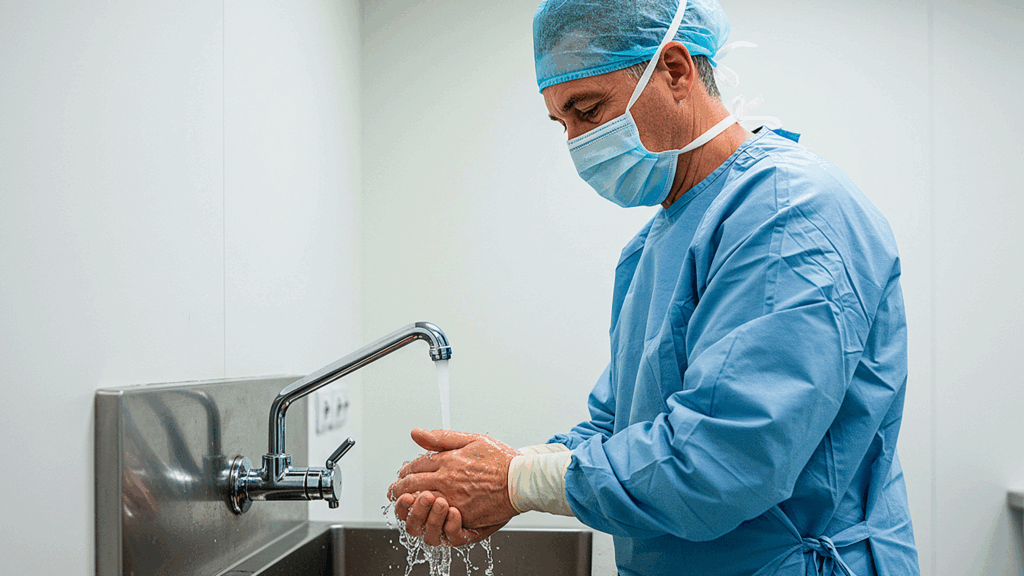
Legionella control in healthcare facilities is not a theoretical exercise. It is a practical, day-to-day responsibility tied directly to patient safety, regulatory compliance, and system reliability. In most healthcare settings, the issue is not whether Legionella bacteria are present. The issue is whether the conditions inside building water systems allow legionella growth to reach levels […]
Legionella Monitoring Programs for Building Water Systems
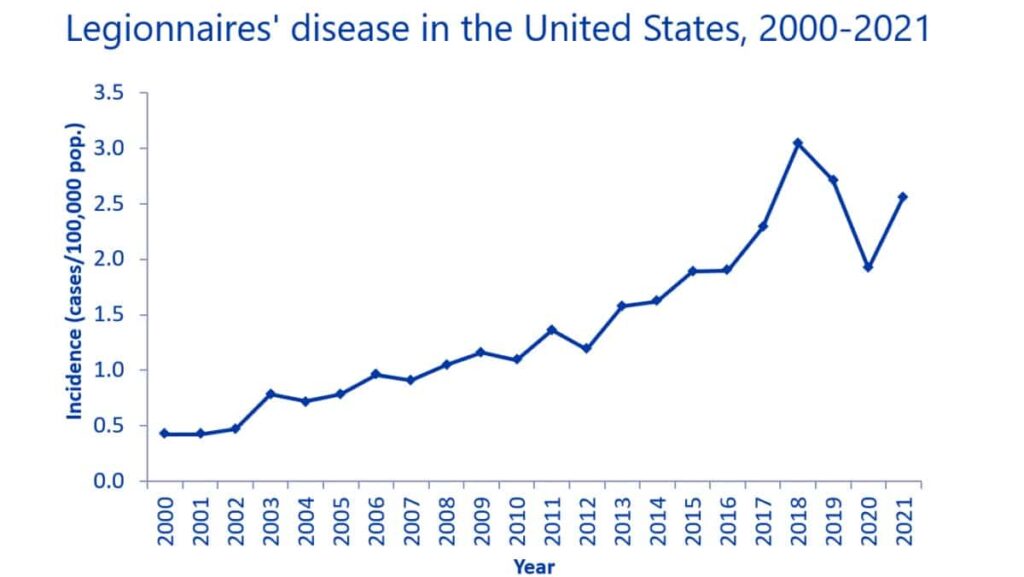
Legionella monitoring is one of the most important, and often misunderstood, parts of managing building water systems. Most facility managers know Legionella bacteria are a risk. What tends to get missed is how quickly legionella growth can develop in real systems, especially in cooling towers, hot water loops, and low flow areas. A Legionella monitoring […]
Water Softener Solutions for Commercial and Industrial Systems
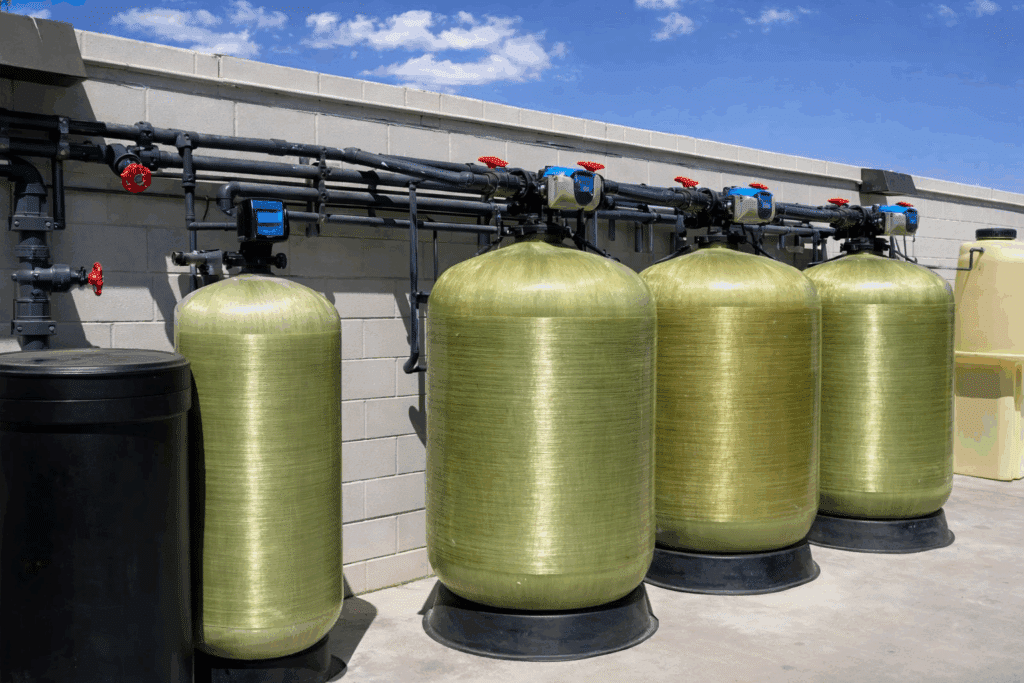
A water softener solution is one of the most common answers to hard water problems in both commercial and industrial systems. But in practice, choosing the right water softener is not just about removing hardness minerals. It is about protecting equipment, maintaining system performance, and reducing long term operating costs. Most operators dealing with hard […]
Reverse Osmosis Membrane Replacement: When and Why
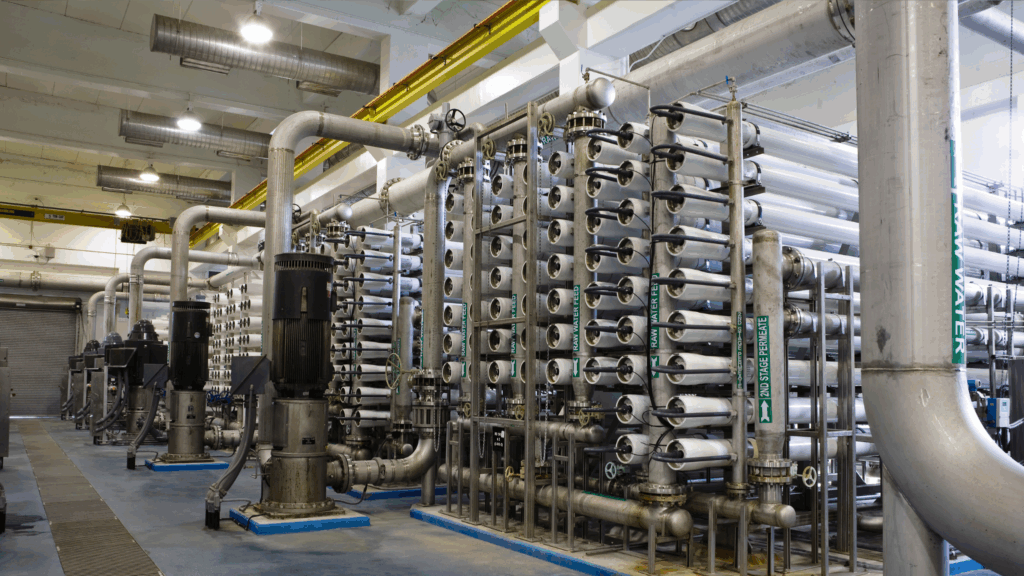
Reverse osmosis membrane replacement is one of those tasks that every operator knows is coming, but the timing and the “why” are where most systems either stay efficient or slowly fall apart. In a reverse osmosis system, the membrane is doing the heavy lifting. When it starts to degrade, everything downstream—water quality, pressure, recovery, and […]
Chlorine Monitoring Systems for Water Treatment
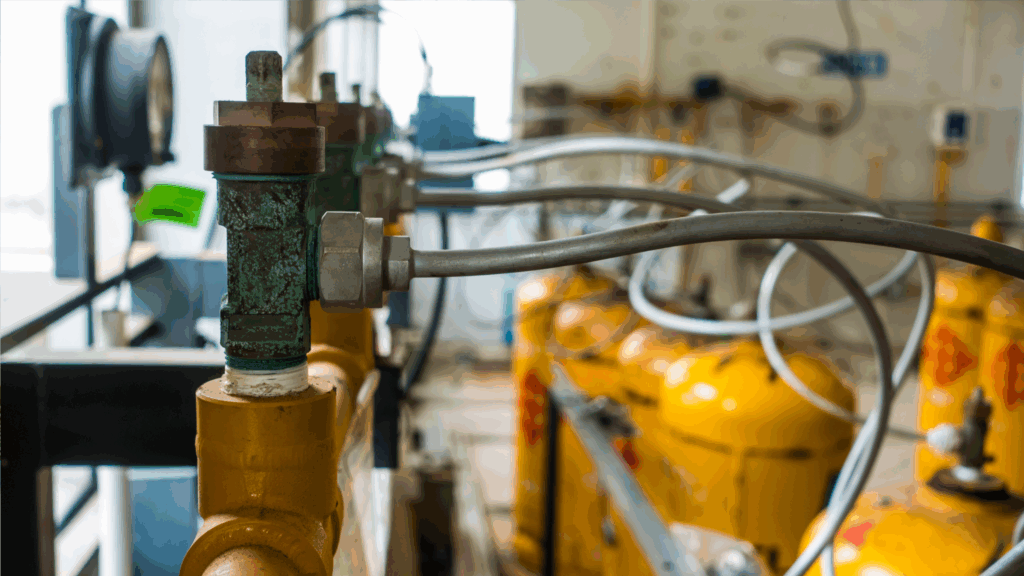
A chlorine monitor is one of the most important tools in modern water treatment systems. Whether in drinking water, wastewater applications, or cooling towers, accurate chlorine measurement is critical for maintaining water quality, ensuring compliance, and protecting equipment and public health. Operators know that adding chlorine is only half the job. The real challenge is […]
Coagulants in RO Systems: Why They Are Used
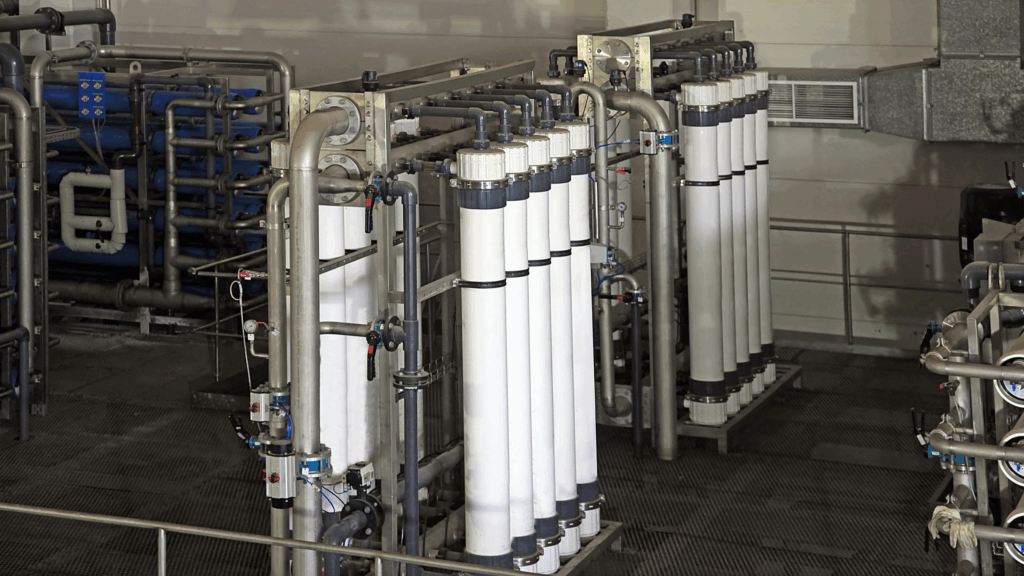
A ro system coagulant is one of the most important, and most misunderstood, elements in reverse osmosis pretreatment. In real-world operations, coagulants play a direct role in reducing membrane fouling, stabilizing feed water quality, and protecting RO membranes from performance loss. Operators dealing with reverse osmosis systems know that most failures are not caused by […]
Biocides for Water Treatment: Types and Applications
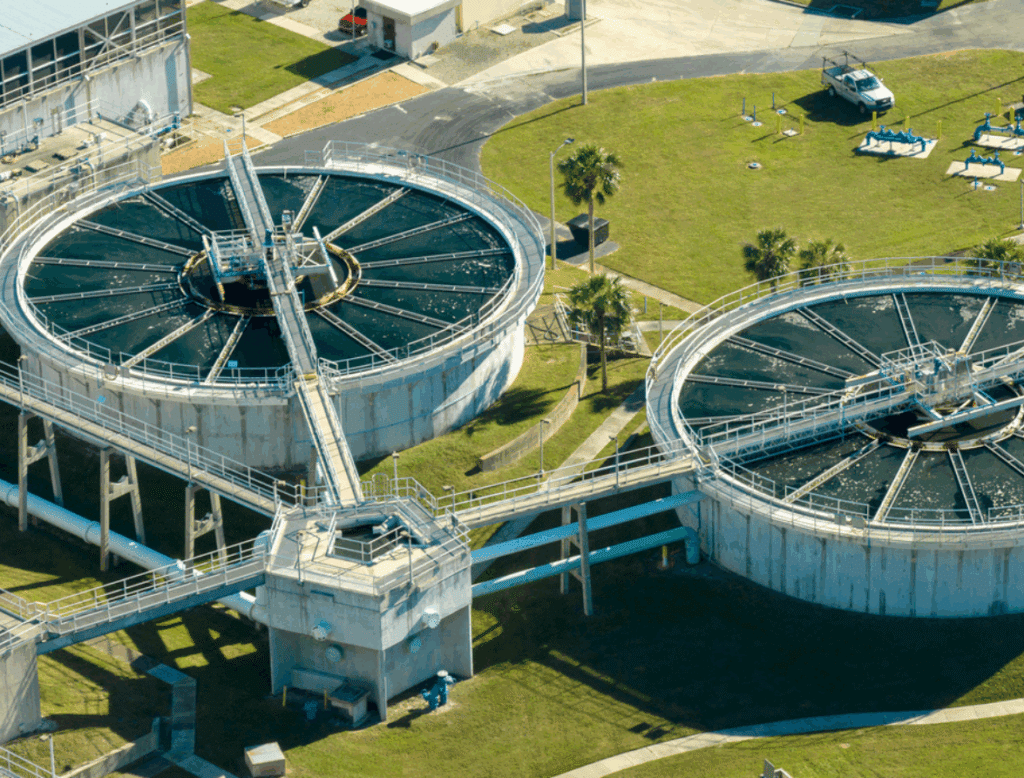
Biocide for water treatment is a critical component of maintaining safe and efficient water systems in industrial and commercial facilities. Biocide treatment is used to control microbial growth, prevent biofilm formation, and protect equipment from damage caused by bacteria and other harmful microorganisms. In cooling tower systems, industrial water systems, and process waters, biological growth […]
EDI Water Treatment: Electrodeionization Explained
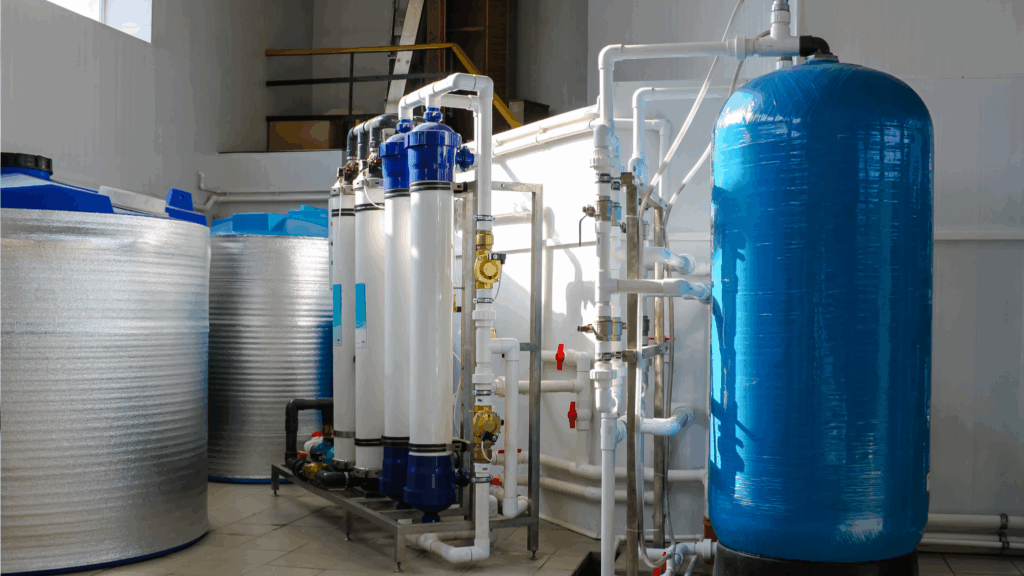
EDI water treatment, or electrodeionization, is a polishing technology used after reverse osmosis to produce high purity water on a continuous basis. By combining ion exchange resins, ion exchange membranes, and a direct current (DC) electric field, EDI systems remove ions without the need for chemical regeneration. For operators, electrodeionization EDI is valued because it […]
