
Reverse osmosis membrane replacement is one of those tasks that every operator knows is coming, but the timing and the “why” are where most systems either stay efficient or slowly fall apart. In a reverse osmosis system, the membrane is doing the heavy lifting. When it starts to degrade, everything downstream—water quality, pressure, recovery, and operating cost—starts to drift.
If you’re running an RO system, membrane replacement isn’t just maintenance. It’s a control point for performance.
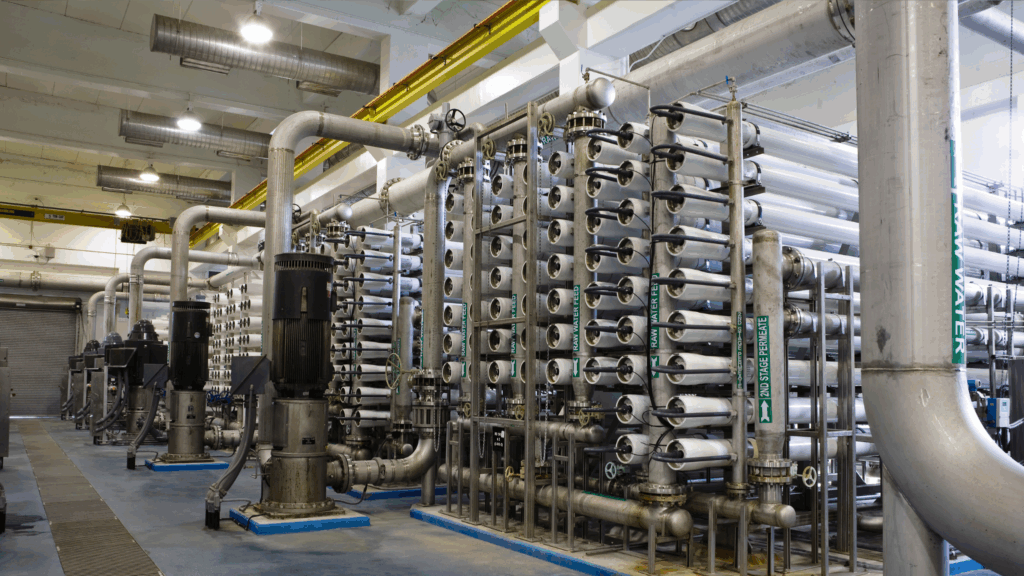
What the RO Membrane Actually Does in a System
In any reverse osmosis system, the RO membrane (or osmosis membrane) is the barrier that separates water molecules from dissolved salts, TDS, and harmful contaminants like arsenic, lead, nitrates, and fluoride.
Over time, reverse osmosis membranes are exposed to:
- Suspended solids and sediment
- Chlorine breakthrough
- Scale formation
- Organic fouling and bacteria
Even with good pretreatment, the membrane surface slowly accumulates fouling. That’s normal. What matters is how quickly it builds – and when it crosses the line from “manageable” to “replacement needed.”
If you need a refresher on how the full process works, this overview of reverse osmosis water treatment ties the membrane role back to the entire system.
Signs It’s Time for Reverse Osmosis Membrane Replacement
Most operators don’t replace a membrane because of age—they replace it because the system tells them to.
1. Rising Differential Pressure
As membranes foul, pressure across the housing increases. If you’re seeing steadily rising pressure even after cleaning, the membrane is likely past recovery.
2. Declining Permeate Quality
If TDS in the product water increases, or you start seeing breakthrough of contaminants like mercury or arsenic, the membrane is no longer rejecting properly.
3. Reduced Flow and Recovery
Clogged or scaled membranes restrict flow. You’ll see reduced production or need higher pressure to maintain output, which drives up energy use.
4. Frequent Cleaning Cycles
If you’re cleaning more often but not restoring performance, you’re not fixing the problem—you’re delaying replacement.
Typical Membrane Life (and Why It Varies)
There’s no single lifespan for reverse osmosis membranes. In practice, membrane life depends on how the system is run.
| Condition | Expected Impact on Membrane Life |
|---|---|
| Good pretreatment and low chlorine | Longer life (3–5 years typical) |
| High TDS or scaling tendency | Shorter life |
| Poor filtration or clogged filters | Rapid fouling |
| Chlorine exposure | Permanent membrane damage |
Most reverse osmosis membranes are designed to last several years, but systems with inconsistent pretreatment or poor maintenance will see much shorter replacement cycles.
The Real Causes Behind Early RO Membrane Replacement
When membranes fail early, it’s rarely random.
Fouling from Suspended Solids
If upstream filtration isn’t doing its job, sediment and particles clog the membrane surface. This is one of the most common reasons for replacement.
Scaling
Minerals form deposits on the membrane, especially in high TDS feed water. Without proper scale control, membranes become permanently restricted.
Chlorine Damage
RO membranes are highly sensitive to chlorine. Even small amounts of breakthrough from a carbon filter can permanently degrade the membrane.
Organic Fouling
Natural organic matter and bacteria create fouling layers that reduce efficiency and increase pressure.
In most systems, it’s not one issue—it’s a combination of these factors building over time.
Membrane Replacement vs Cleaning: When to Replace
Operators often ask whether to clean or replace. The answer comes down to recovery.
| Condition | Recommended Action |
|---|---|
| Early fouling, pressure slightly elevated | Clean membrane |
| Performance restored after cleaning | Continue operation |
| No improvement after cleaning | Replace membrane |
| Persistent TDS breakthrough | Replace membrane |
Cleaning is part of the process. Replacement is what happens when cleaning no longer works.
What Happens During Membrane Replacement
Membrane replacement is straightforward, but it’s one of those tasks where small mistakes cause long-term problems.
Typical process:
- Shut down the RO system and isolate the housing
- Depressurize and drain the system
- Open the membrane housing
- Remove the old membrane and inspect for fouling or damage
- Insert the new membrane with proper alignment and seal placement
- Reassemble housing and check all connections
- Flush the system to remove preservative chemicals
Most new membranes are shipped with a preservative that must be flushed before returning to service.
Common Mistakes During Replacement
- Not flushing the new membrane properly
- Installing seals incorrectly (leading to bypass)
- Reusing damaged housing components
- Failing to check upstream filters before startup
These issues can reduce the life of the replacement reverse osmosis membrane almost immediately.
Protecting Your New Membrane
Membrane replacement only solves the symptom. Protecting the new membrane requires fixing the cause.
Improve Pretreatment
Ensure sediment filters, carbon filters, and pretreatment systems are functioning properly. If upstream filters are clogged, the new membrane will foul quickly.
Monitor Chlorine
Carbon filtration must remove chlorine completely. If chlorine reaches the RO membrane, damage is permanent.
Control Scaling
Use proper scale control strategies and monitor feed water chemistry to prevent buildup.
Track Performance
Record pressure, flow, and TDS regularly. Early trends are easier to correct than late-stage failures.
How RO System Design Impacts Replacement Frequency
Not all systems behave the same. A properly designed system will extend membrane life significantly.
For example, systems built on a well-configured reverse osmosis skid typically include proper pretreatment, instrumentation, and flow control that protect the membrane from early failure.
Likewise, in larger facilities, a commercial reverse osmosis system is designed with redundancy and monitoring that reduces the risk of unexpected membrane failure.
Cost Considerations for Membrane Replacement
The price of membrane replacement isn’t just the cost of the membrane itself.
Real costs include:
- Lost production during downtime
- Labor and installation
- Cleaning chemicals leading up to replacement
- Reduced efficiency before replacement
Delaying replacement too long often costs more than replacing at the right time.
Replacement Filters and Supporting Components
Membrane replacement should never happen in isolation.
Operators should also review:
- Sediment filters
- Carbon filters
- Cartridge filter performance
- Tank condition and pressure stability
If these components are not replaced or serviced, the new membrane will not perform as expected.
Frequently Asked Questions
How often should reverse osmosis membrane replacement occur?
Most systems require membrane replacement every 2 to 5 years, depending on water quality and system operation.
What are the signs of a failing RO membrane?
Rising pressure, declining flow, and increased TDS in the product water are the most common indicators.
Can a membrane be cleaned instead of replaced?
Yes, but only if cleaning restores performance. If not, replacement is required.
Does chlorine damage RO membranes?
Yes, even small amounts of chlorine can permanently damage reverse osmosis membranes.
What should be checked when replacing a membrane?
Filters, seals, housing condition, and pretreatment systems should all be inspected.
Keep Your RO System Running Efficiently
Reverse osmosis membrane replacement is a normal part of operating any RO system. The difference between a system that runs efficiently and one that struggles comes down to timing, diagnosis, and upstream control.
If you’re seeing declining performance or frequent cleaning cycles, it’s usually a sign the system needs more than just a new membrane, it needs a review.
If you want a second set of eyes on your system or help planning your next replacement, reach out to Aquatrol today and we’ll walk through what’s actually driving performance in your RO setup.
