
Boiler water quality is one of the main drivers of performance, reliability, and equipment life in steam systems. Most boiler problems do not start with the burner or controls. They start with the water. When water quality drifts, you see it in pressure swings, fouling on heat transfer surfaces, and rising maintenance.
For operators, the goal is simple. Maintain boiler water quality so the system produces stable steam, protects metal surfaces, and avoids unplanned downtime. The challenge is that small amounts of contamination can create large problems over time.
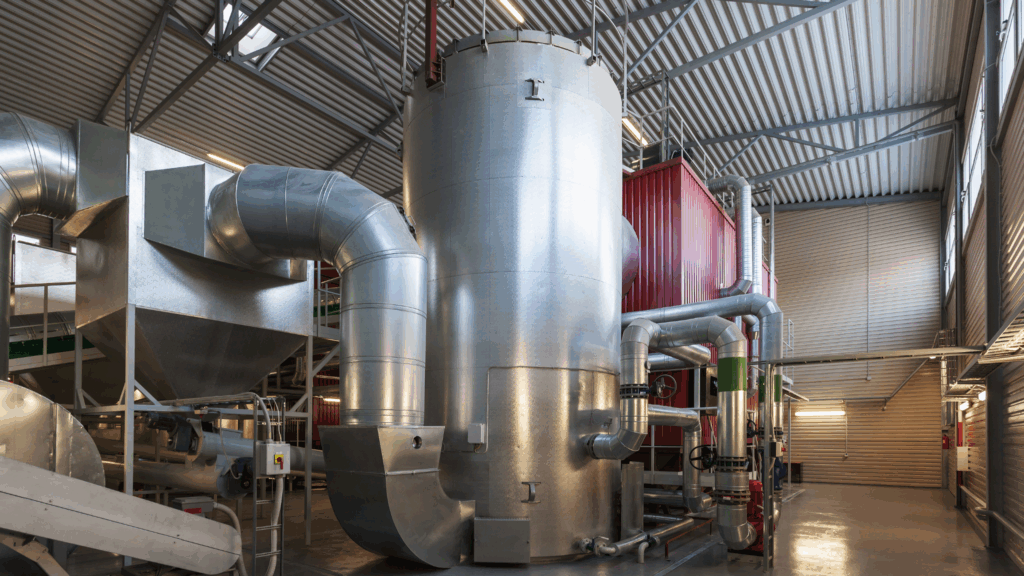
Why Boiler Water Quality Matters in Real Systems
In boiler systems, water is exposed to heat and pressure. That combination amplifies the effects of dissolved solids, oxygen, and poor water chemistry. When boiler water quality is not controlled, you typically see:
- Scale formation on heat transfer surfaces
- Corrosion and pitting corrosion on metal surfaces
- Foaming and carryover that affects steam quality
- Reduced thermal efficiency and increased energy waste
These issues do not stay isolated to the boiler. They move into downstream equipment such as steam turbines and process users. That is why maintaining water quality is not just a boiler issue. It is a system issue.
Where Problems Start: Feedwater and Boiler Feedwater
Most problems begin before water enters the boiler. Boiler feedwater quality sets the baseline for everything that follows.
Water entering the boiler often contains:
- Dissolved solids and total dissolved solids
- Dissolved oxygen and carbon dioxide
- Suspended solids and suspended matter
- Hardness from calcium and magnesium
If these are not addressed with proper water treatment, they concentrate inside the boiler as steam is generated. Over time, this leads to scale, sludge, and corrosion.
For a practical view of how testing ties into control, see how boiler water testing is used to track conditions in operating systems.
Key Parameters That Define Boiler Water Quality
Operators do not manage boiler water quality with a single number. It requires monitoring multiple parameters together.
| Parameter | Why It Matters | Typical Impact |
|---|---|---|
| Dissolved oxygen | Drives corrosion | Pitting corrosion and metal loss |
| Total dissolved solids | Indicates concentration level | Scale, foaming, carryover |
| Hardness (calcium, magnesium) | Forms deposits | Scale formation and reduced heat transfer |
| pH levels and alkalinity | Controls corrosion and scaling tendency | Caustic embrittlement or corrosion |
| Silica | Forms hard deposits at higher pressures | Fouling in high pressure boilers |
Monitoring these parameters together gives a clear picture of boiler water quality.
Dissolved Oxygen and Corrosion Control
Dissolved oxygen is one of the most aggressive contributors to corrosion in boiler systems. Even small amounts can cause serious damage over time.
In practice, oxygen enters through:
- Makeup water
- Leaks in the feedwater system
- Poor deaeration
Once inside the boiler, oxygen attacks iron surfaces, leading to pitting corrosion. These pits can grow quickly under higher pressures and lead to failure.
Control methods include:
- Mechanical deaeration
- Chemical treatment using oxygen scavengers
The goal is to minimize corrosion before it becomes a major cause of equipment failure.
Total Dissolved Solids and Blowdown Control
Total dissolved solids increase as water is converted to steam. As steam leaves, dissolved solids remain and concentrate.
If not controlled, high dissolved solids lead to:
- Foaming
- Carryover into steam
- Deposits on heat transfer surfaces
Operators control this through blowdown. Blowdown frequency is adjusted to maintain acceptable levels of total dissolved solids and prevent contamination of steam.
Hardness, Calcium, and Scale Formation
Hardness is driven by calcium and magnesium. When heated, these minerals form scale that adheres to boiler surfaces.
Scale acts as an insulator. It reduces heat transfer and forces the system to use more energy to maintain output. Over time, this leads to higher fuel consumption and lower efficiency.
In severe cases, scale can cause localized overheating and serious damage.
This is why softened water is often used as part of pretreatment. Removing hardness before water enters the boiler is one of the most effective ways to prevent scale.
Silica and High Pressure Boiler Concerns
Silica becomes a major issue in high pressure boilers. Unlike other solids, silica can volatilize with steam and deposit in steam turbines and downstream equipment.
In systems operating at higher pressures, silica limits are stricter. Operators must monitor silica levels closely to avoid fouling in critical components.
pH, Alkalinity, and Chemical Balance
pH levels and total alkalinity play a major role in corrosion control and scale prevention.
If pH is too low, the system becomes corrosive. If it is too high, it can lead to caustic embrittlement. The goal is to maintain a balanced condition that protects metal surfaces while minimizing scale formation.
Chemical treatment programs are designed to maintain this balance under varying operating conditions.
Suspended Solids, Sludge, and Fouling
Suspended solids that enter the boiler settle as sludge. This sludge can accumulate in low flow areas and interfere with heat transfer.
Over time, this leads to:
- Reduced efficiency
- Increased blowdown requirements
- Higher maintenance
Filtration and proper pretreatment help remove suspended solids before they enter the boiler.
How Boiler Type and Pressure Affect Limits
Boiler water quality requirements depend on boiler type and operating pressure.
- Low pressure boilers operate with wider limits
- High pressure boilers require tighter control
As pressure increases, the tolerance for contamination decreases. That is why high pressure systems require more aggressive water quality management.
For a broader view of how design impacts operation, see how types of steam boilers influence system behavior.
Linking Water Quality to Steam Quality
Steam generation quality is directly tied to boiler water quality.
When water quality is poor, steam quality drops. This leads to:
- Carryover of contaminants
- Deposits in steam lines
- Damage to downstream equipment
Maintaining clean steam requires consistent control of boiler water conditions.
Practical Control Strategies
In real systems, control is achieved through a combination of methods.
Chemical Treatment
Chemical treatment programs are used to:
- Control corrosion
- Prevent scale
- Stabilize water chemistry
Blowdown Management
Adjusting blowdown frequency helps control dissolved solids and maintain balance.
Monitoring and Testing
Regular testing provides feedback on system performance. Operators track trends rather than relying on single readings.
Preventive Maintenance
Proactive maintenance prevents small issues from becoming major problems.
For system-level support, structured boiler water treatment programs help maintain consistent performance.
Common Signs of Poor Boiler Water Quality
Operators typically notice issues through system behavior.
- Increased fuel usage or energy waste
- Fluctuating pressure and temperature
- Visible deposits or scale
- Increased corrosion rates
These are not isolated issues. They are indicators that water quality has drifted outside acceptable limits.
Cost and Risk Implications
Poor water quality increases operating cost and risk.
Costs include:
- Higher energy consumption
- Increased chemical usage
- More frequent maintenance
- Reduced equipment life
In some cases, failure to control boiler water quality can damage a major boiler investment.
Best Practices for Maintaining Boiler Water Quality
Facilities that maintain stable systems follow consistent practices.
- Monitor key parameters daily or continuously
- Maintain proper water treatment programs
- Use softened water where required
- Adjust blowdown based on system conditions
- Train operators on system behavior
These practices help extend equipment life and improve performance.
Frequently Asked Questions
What is boiler water quality
Boiler water quality refers to the chemical and physical condition of water inside a boiler system.
Why is dissolved oxygen a problem
Dissolved oxygen causes corrosion and pitting in boiler systems.
How are dissolved solids controlled
Through blowdown and proper water treatment.
Why is hardness important
Hardness leads to scale formation and reduced heat transfer efficiency.
How often should boiler water be tested
Regular testing is required, often daily in critical systems.
Maintain Reliable Boiler Performance
Boiler water quality is the foundation of reliable steam generation. Systems that maintain control operate efficiently and avoid costly failures.
If your facility is seeing signs of poor water chemistry or inconsistent performance, contact our team today to review your system and identify where control needs to improve.
