
Water system maintenance is one of those areas that rarely gets attention until something fails. In most commercial buildings, water systems run in the background. When they are operating correctly, no one notices. When they are not, the impact shows up quickly in water quality issues, equipment failures, and costly repairs.
For facility managers and operators, water system maintenance is not just about keeping equipment running. It is about maintaining water quality, protecting appliances, and ensuring the entire water treatment system is operating as intended.
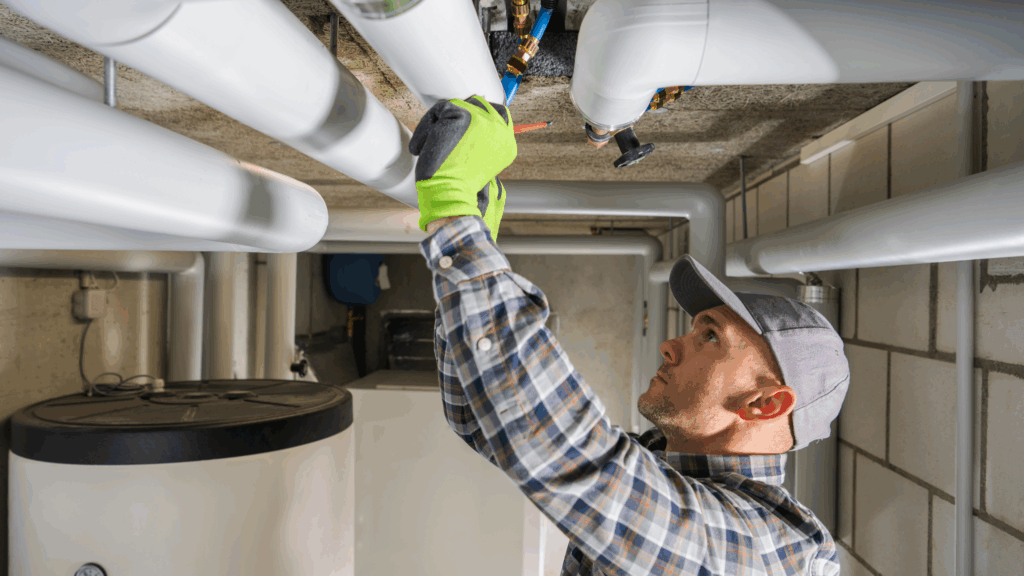
Why Water System Maintenance Matters
In real systems, poor maintenance does not show up all at once. It builds gradually. Filters clog, water softener systems lose efficiency, and reverse osmosis systems begin to drift in performance.
Over time, this leads to:
- Declining water quality
- Reduced flow rate and water pressure
- Scale buildup in water heaters and equipment
- Increased maintenance costs
The goal of proper maintenance is to prevent these issues before they impact system performance.
Core Components of Commercial Water Systems
Most commercial buildings rely on a combination of systems working together.
Water Filtration Systems
Water filtration systems remove sediment, particles, and other contaminants from the water supply. These systems are often the first line of defense in maintaining water quality.
Water Softener Systems
Water softener systems use ion exchange to remove hardness minerals such as calcium and magnesium. This prevents scale buildup and protects downstream equipment.
Reverse Osmosis Systems
Reverse osmosis systems remove dissolved solids and produce high quality water for specific applications. These systems require consistent maintenance to protect the RO membrane.
Supporting Components
Additional components include:
- Carbon filters for chlorine removal
- Filter housings and cartridges
- Brine tanks and resin beds
Each component plays a role in maintaining system performance.
Water Filtration System Maintenance
Filtration system maintenance is one of the most frequent tasks in commercial water systems.
Common maintenance tasks include:
- Replacing filters according to a filter replacement schedule
- Inspecting filter housings for leaks or damage
- Monitoring pressure drop across filters
If filters are not replaced on time, they become clogged and reduce water flow. This can also allow contaminants to pass through, affecting downstream equipment.
Maintaining a consistent water filtration system maintenance program helps ensure filtered water remains clean and reliable.
Water Softener Maintenance
Water softener maintenance is critical for maintaining soft water and preventing scale buildup.
Typical maintenance includes:
- Checking salt level in the brine tank
- Adding salt when required
- Inspecting for salt bridges and salt mushing
- Cleaning resin beads using a water softener cleaner
Over time, resin beds can become fouled. Resin cleaning helps restore efficiency and maintain proper ion exchange performance.
Without proper water softener maintenance, hardness minerals can pass through the system and create scale in water heaters and appliances.
For a deeper look at system optimization, see how water softener efficiency impacts performance.
Reverse Osmosis System Maintenance
Reverse osmosis systems require careful maintenance to maintain high quality water production.
Key maintenance tasks include:
- Replacing filters and pre-treatment components
- Monitoring TDS using a TDS meter
- Inspecting the RO membrane for fouling
- Flushing the system after filter changes
RO membrane performance is sensitive to upstream conditions. If filtration systems or carbon filters are not maintained, the RO system will degrade quickly.
For a system-level overview, see how reverse osmosis systems operate in real conditions.
Filter Replacement and Scheduling
Filter replacement is one of the simplest but most important maintenance tasks.
A typical filter replacement schedule depends on:
- Water usage
- Contaminant levels
- System design
Operators should track replacement schedules and adjust based on system performance.
Replacing filters on time prevents pressure loss and ensures efficient operation.
Monitoring Water Quality
Water quality testing is essential for identifying issues early.
Operators should monitor:
- Total dissolved solids
- Hardness levels
- Chlorine levels
- Signs of bacterial growth
Regular testing provides insight into system performance and helps guide maintenance decisions.
Common Problems Caused by Poor Maintenance
When maintenance is neglected, systems begin to fail in predictable ways.
- Clogged filters reduce flow and increase pressure
- Scale buildup reduces heat transfer efficiency
- Untreated water reaches sensitive equipment
- Reverse osmosis systems lose efficiency
These problems lead to higher operating costs and reduced equipment life.
Best Practices for Water System Maintenance
Facilities that maintain reliable systems follow consistent practices.
- Establish a clear maintenance schedule
- Perform routine inspections and cleaning
- Replace filters based on usage and condition
- Monitor system performance and water quality
- Train personnel on proper procedures
These practices help keep systems running efficiently and avoid costly repairs.
Professional Service and Support
In many commercial buildings, water systems are too complex to manage without professional support.
Professional service providers help with:
- System inspections and troubleshooting
- Water treatment adjustments
- Maintenance planning and execution
Working with experienced providers ensures systems are maintained correctly and consistently.
Frequently Asked Questions
What is water system maintenance
Water system maintenance is the process of inspecting, cleaning, and maintaining water treatment and distribution systems to ensure proper operation.
How often should filters be replaced
Filter replacement depends on system usage and water quality, but regular replacement is essential for performance.
Why is water softener maintenance important
It prevents hardness minerals from entering the system and protects equipment from scale buildup.
How do you maintain a reverse osmosis system
Maintenance includes filter replacement, monitoring TDS, and inspecting the RO membrane.
What happens if maintenance is ignored
Systems lose efficiency, water quality declines, and costly repairs become more likely.
Maintain Reliable Water Systems in Your Facility
Water system maintenance is a continuous process that keeps systems operating efficiently and protects equipment from failure. Facilities that invest in proper maintenance see better performance, lower costs, and more reliable operation.
If your facility needs help improving water system maintenance or addressing ongoing issues, contact our team today to review your system and identify the right solution.
