
Hard water is a common condition in both residential and commercial water systems where water contains high levels of dissolved minerals, primarily calcium and magnesium. Understanding what is hard water is important for facility operators because water hardness directly affects water quality, equipment performance, and long-term maintenance costs.
In many regions, water travels through soil and rock, dissolving minerals along the way. This process increases mineral content and creates varying degrees of water hardness. While hard water is not typically a direct health hazard, it has significant operational impacts on pipes, water appliances, and treatment systems.
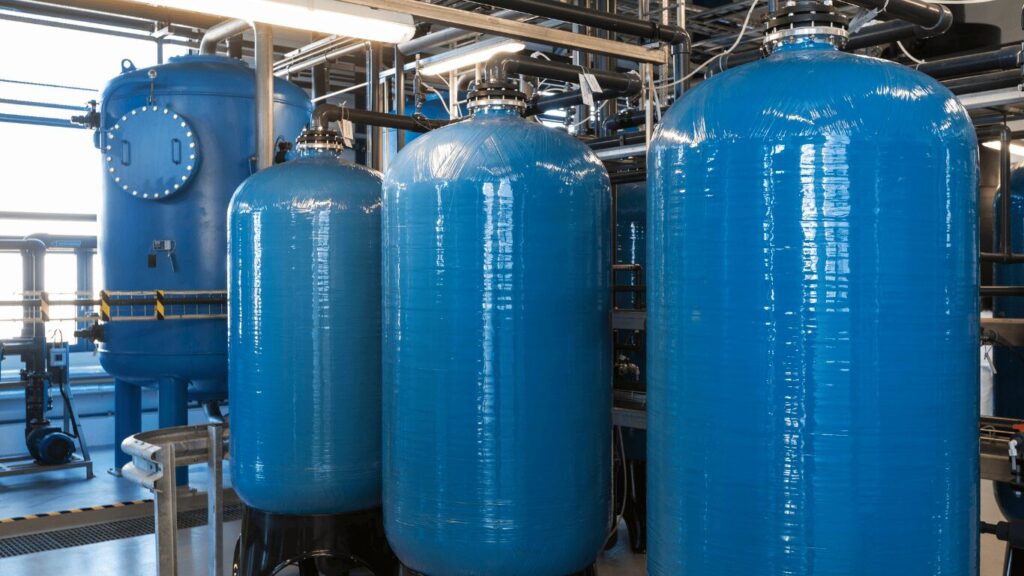
What Is Hard Water?
Hard water is water that contains a high concentration of dissolved minerals, especially calcium and magnesium. These minerals dissolve into water as it moves through natural formations such as limestone and other mineral-rich environments.
Water hardness is measured in grains per gallon (gpg) or milligrams per liter (mg/L). The higher the concentration of minerals, the harder the water.
Typical Hardness Levels
| Hardness Level | Grains per Gallon (gpg) | Description |
|---|---|---|
| 0–3 | 0–3 gpg | Soft water |
| 3–7 | 3–7 gpg | Moderately hard |
| 7–10 | 7–10 gpg | Hard water |
| 10+ | 10+ gpg | Very hard water |
Water hardness levels vary depending on the local water supply, whether it is municipal water or well water.
What Causes Hard Water?
Hard water forms when water absorbs minerals from surrounding soil and rock. Calcium carbonate is one of the most common compounds found in hard water.
As water flows underground, it dissolves calcium, magnesium, and other minerals, increasing the mineral content. This process is influenced by geological conditions and water source.
Common contributors include:
- Calcium and magnesium salts
- Mineral-rich soil and rock formations
- Groundwater and well water sources
How Hard Water Affects Water Systems
Hard water has a direct impact on water systems and equipment. Over time, mineral deposits form as water evaporates, leaving behind calcium deposits and other residues.
Scale Buildup in Equipment
One of the most common issues with hard water is scale buildup. As hard water evaporates, it leaves behind mineral deposits that accumulate on surfaces.
This leads to:
- Scale buildup in pipes and heat exchangers
- Reduced heat transfer efficiency
- Increased energy usage in systems such as water heaters
Impact on Water Appliances
Hard water affects a wide range of water appliances, including:
- Water heaters
- Coffee makers
- Dishwashers
- Industrial equipment
Mineral buildup reduces performance and shortens equipment life.
Soap and Detergent Inefficiency
Hard water reacts with soap and detergents, reducing their effectiveness.
This results in:
- Soap scum on sinks and showers
- Chalky residue on dishes
- Increased detergent usage
Effects on Pipes and Flow
Mineral buildup inside pipes reduces flow and increases pressure over time. This can lead to higher maintenance costs and potential system failures.
Hard Water and Water Quality
While hard water is generally safe for drinking, it can affect water quality in several ways.
- Changes in taste and odor
- White residue on fixtures
- Reduced effectiveness of cleaning processes
According to guidance from organizations such as the World Health Organization, hard drinking water is not typically associated with adverse health effects, though high mineral content can influence taste and user preference.
Health Considerations
There is no convincing evidence that drinking hard water causes serious health risks. However, high mineral content can contribute to:
- Skin irritation for some individuals
- Dry skin after showering
- Buildup on hair and surfaces
For most applications, the concern is not health but system performance and maintenance.
How Hard Water Is Measured
Water hardness is measured using testing methods that determine the concentration of calcium and magnesium in water.
Common approaches include:
- Laboratory testing
- Field test kits
- Digital meters
These tests provide data on hardness levels, helping operators determine the need for water treatment.
How to Treat Hard Water
The most common solution for hard water is a water softener system.
Water Softening Process
Water softeners use ion exchange to remove calcium and magnesium ions and replace them with sodium ions.
The process includes:
- Water passing through resin beads
- Resin beads exchanging calcium and magnesium for sodium
- Regeneration using salt to restore resin capacity
Most water softeners are designed to handle varying hardness levels and provide consistent soft water output.
Benefits of Soft Water
Soft water reduces:
- Scale buildup
n- Mineral deposits - Maintenance costs
It also improves system efficiency and extends equipment life.
For more on optimizing system performance, see how improving water softener efficiency supports better operation.
Hard Water in Commercial and Industrial Systems
In commercial and industrial settings, hard water can create significant operational issues.
Systems affected include:
- Cooling systems
- Boiler systems
- Process water systems
Without proper treatment, hard water leads to reduced efficiency, higher energy consumption, and increased maintenance requirements.
Facilities often implement water softener systems as part of a broader water treatment strategy.
Best Practices for Managing Hard Water
To manage water hardness effectively, facilities should:
- Test water hardness levels regularly
- Install properly sized water softener systems
- Monitor salt usage and regeneration cycles
- Maintain equipment and perform routine maintenance
These steps help maintain water quality and prevent long-term issues.
Frequently Asked Questions
What is hard water?
Hard water is water that contains high levels of dissolved minerals such as calcium and magnesium.
Is hard water safe to drink?
Yes, hard water is generally safe for drinking, although it may affect taste and cause buildup in systems.
What problems does hard water cause?
Hard water causes scale buildup, reduces appliance efficiency, and increases maintenance needs.
How do water softeners work?
Water softeners use ion exchange to replace calcium and magnesium ions with sodium ions.
How is water hardness measured?
Water hardness is measured in grains per gallon or milligrams per liter.
Improve Water Quality and System Performance
Understanding what is hard water helps operators identify risks and apply the right treatment strategies. Managing water hardness improves efficiency, reduces maintenance costs, and supports long-term system performance.
If your facility is dealing with hard water issues, contact our team today to evaluate your system and implement the right solution.
