
A glycol mixture is a critical part of many industrial cooling systems, HVAC systems, and chiller systems. Operators rely on a glycol mixture as a heat transfer fluid to move heat, maintain stable temperature, and provide freeze protection during low temperatures and winter operation.
In practice, glycol is not just antifreeze. The glycol mixture concentration, glycol type, and overall physical properties directly impact heat transfer efficiency, system performance, energy consumption, and equipment life. Getting the glycol mixture wrong leads to poor heat transfer, higher energy costs, and long-term corrosion issues.
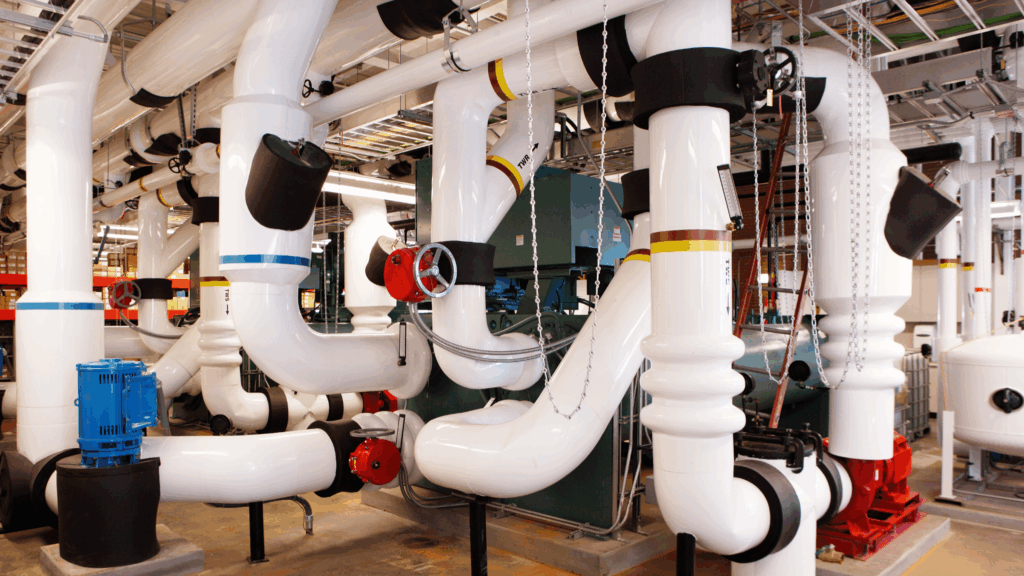
What Is a Glycol Mixture
A glycol mixture is a solution of glycol and water used as a heat transfer fluid. The two most common glycol types are:
- Ethylene glycol (including mono ethylene glycol / monoethylene glycol)
- Propylene glycol
Both are organic compounds with hydroxyl groups that allow them to mix with water and change the freezing point and boiling point of the solution.
Ethylene glycol is widely used in industrial applications because of its thermal performance. Propylene glycol is often selected as a safer alternative in applications where environmental impact or incidental contact is a concern.
To understand the basics, see what is glycol.
Why Glycol Mixture Concentration Matters
The concentration of a glycol mixture determines how the fluid behaves under different temperatures and operating conditions.
Key impacts of concentration include:
- Freezing point depression for freeze protection
- Boiling point elevation for high temperature operation
- Changes in specific heat capacity and heat capacity
- Changes in dynamic viscosity and flow resistance
A common example is a 50 ethylene glycol mixture. This concentration provides strong freeze protection, but it also lowers heat transfer efficiency compared to water.
Too much glycol reduces system efficiency. Too little glycol reduces freeze protection. Operators must balance both.
Glycol Type: Ethylene Glycol vs Propylene Glycol
Choosing the right glycol type is part of glycol mixture design.
Ethylene Glycol
Ethylene glycol offers:
- Higher heat transfer efficiency
- Lower viscosity compared to propylene glycol
- Strong performance in heat transfer systems
However, ethylene glycol is more toxic and requires appropriate personal protective equipment during handling.
Propylene Glycol
Propylene glycol provides:
- A safer alternative for certain applications
- Lower toxicity compared to ethylene glycol
- Use in food additive and sensitive environments
Trade-offs include lower heat transfer efficiency and higher viscosity.
For a deeper comparison, see ethylene glycol vs propylene glycol.
Key Physical Properties of Glycol Mixtures
Understanding the physical properties of a glycol mixture helps operators optimize performance.
| Property | Impact on Systems |
|---|---|
| Freezing point | Determines freeze protection capability |
| Boiling point | Supports high temperature operation |
| Specific heat | Affects how much heat the fluid can carry |
| Thermal conductivity | Influences heat transfer rate |
| Dynamic viscosity | Impacts pumping and flow resistance |
| Specific gravity | Used for measuring concentration |
As glycol concentration increases, viscosity increases and heat capacity decreases. This reduces efficient heat transfer and increases energy consumption.
Glycol Mixtures in Heat Transfer Systems
Glycol mixtures are widely used in heat transfer systems where water alone is not suitable.
Applications include:
- Industrial cooling systems
- Chiller systems
- HVAC systems
- Heat exchangers and heat pumps
In these systems, glycol acts as a heat transfer agent that moves heat away from equipment and maintains stable temperature.
For system context, see glycol cooling systems and glycol heat exchangers.
Freeze Protection and Low Temperature Operation
One of the primary reasons for using a glycol mixture is freeze protection.
When water reaches its freezing point, it expands and can damage pipes, coils, and equipment. A glycol mixture lowers the freezing temperature, preventing frozen water and protecting the system.
Freeze protection is especially important in:
- Outdoor cooling towers
- Exposed piping
- Cold weather and winter operation
Operators must ensure the glycol mixture provides protection at the lowest expected temperature.
Impact on System Performance and Efficiency
While glycol provides freeze protection, it also impacts system performance.
- Higher glycol concentration reduces heat transfer efficiency
- Increased viscosity raises pumping requirements
- Lower specific heat reduces thermal capacity
These effects increase energy consumption and reduce system efficiency if not managed properly.
Operators should target the lowest glycol concentration that still provides adequate freeze protection.
Corrosion Control and Additives
Glycol mixtures often include corrosion inhibitors to protect metal surfaces.
These additives help:
- Prevent corrosion in steel, copper, and mixed-metal systems
- Extend equipment life
- Maintain system reliability
Additional additives may include:
- pH buffers
- Scale inhibitors
Without proper additive control, glycol systems can still experience corrosion and fouling.
Measuring Glycol Concentration
Accurate measurement of glycol mixture concentration is essential.
Common methods include:
- Refractometers
- Hydrometers (specific gravity measurement)
- Inline glycol meters
For monitoring tools, see glycol meters.
Regular testing ensures the glycol mixture remains within the desired range.
Mixing Ratio and System Design
The mixing ratio of glycol and water should be based on:
- Required freeze protection
- Operating temperature range
- System design and flow conditions
Improper mixing ratios lead to either insufficient protection or reduced system efficiency.
Operators should verify concentration after installation and periodically during operation.
Common Problems in Glycol Systems
Operators often encounter similar issues in glycol systems.
- Too much glycol reducing heat transfer
- Contamination from incompatible materials
- Degradation of glycol over time
- Loss of corrosion inhibitor effectiveness
These problems affect system performance and can lead to higher maintenance costs.
Best Practices for Glycol Mixture Management
Facilities that maintain effective glycol systems follow consistent practices.
- Monitor glycol concentration regularly
- Maintain proper inhibitor levels
- Inspect systems for leaks and contamination
- Adjust mixture based on operating conditions
These practices help maintain system performance and reduce long-term issues.
Frequently Asked Questions
What is a glycol mixture
A glycol mixture is a combination of glycol and water used as a heat transfer fluid in cooling and heating systems.
Why is glycol used instead of water
Glycol lowers the freezing point and provides freeze protection in low temperatures.
What is the ideal glycol concentration
It depends on system requirements, but often ranges from 30 to 50 percent.
Does glycol affect efficiency
Yes, higher glycol concentration reduces heat transfer efficiency and increases energy consumption.
How is glycol concentration measured
Using refractometers, hydrometers, or inline glycol meters.
Optimize Your Glycol Mixture for Better Performance
A properly managed glycol mixture balances freeze protection with efficient heat transfer. Systems that maintain correct concentration, monitor performance, and control additives operate more efficiently and last longer.
If your facility needs support optimizing glycol systems or improving performance, contact our team today to review your setup and identify the right approach.
