
A glycol cooling system is a closed loop system that uses a glycol water mixture as a heat transfer fluid to provide freeze protection and stable temperature control. These systems are widely used in industrial cooling applications, HVAC systems, and food processing where maintaining temperature in low temperature environments is critical.
Glycol cooling systems allow fluid to remain liquid at very low temperatures, lowering the freezing point and protecting piping, heat exchangers, and other system components from freeze-related damage. At the same time, operators must balance glycol concentration, heat transfer efficiency, and corrosion control to maintain system performance.
This guide explains how a glycol cooling system works, when to use glycol systems, and how to manage them for reliable operation.
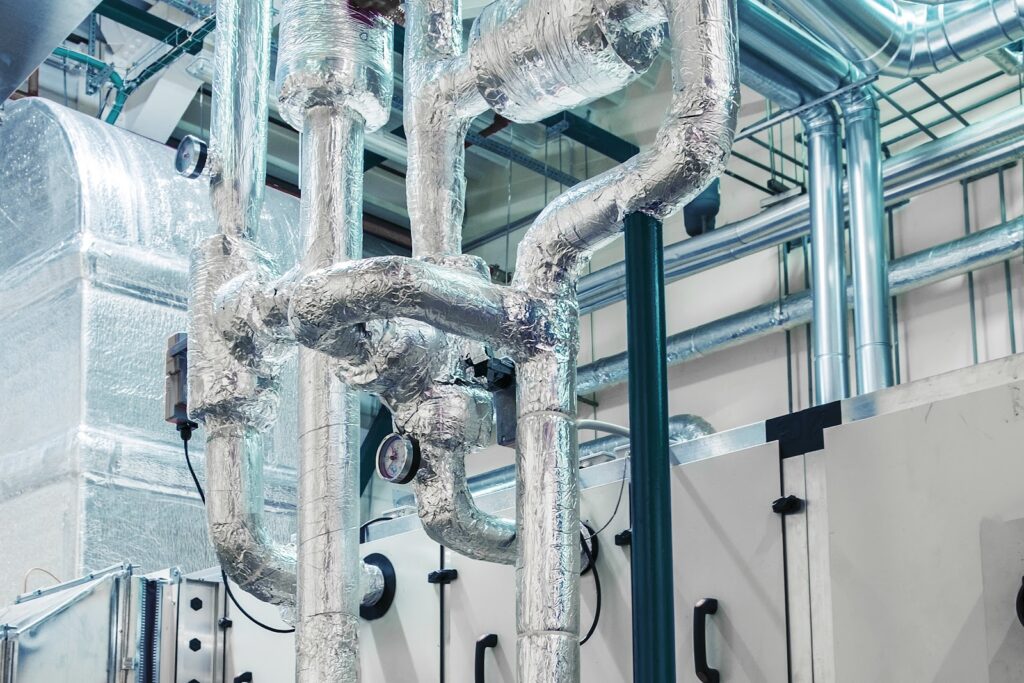
What Is a Glycol Cooling System?
A glycol cooling system uses a glycol solution—typically propylene glycol or ethylene glycol—mixed with water to circulate through a closed loop configuration. The glycol water mixture absorbs heat from process equipment and transfers it to a chiller system or refrigeration unit where it is removed.
Because glycol is part of the alcohol family of organic compounds, it has properties that allow it to remain liquid below the freezing point of water. This makes glycol cooling ideal for environments exposed to cold weather, outdoor piping, or systems requiring chilled glycol.
Common system components include:
- Glycol chiller or refrigeration system
- Heat exchangers
- Pumps and glycol piping (glycol line)
- Expansion tanks and controls
How Glycol Cooling Systems Work
In operation, the glycol solution circulates through the system and absorbs heat from equipment. The warmed fluid returns to the glycol chiller, where the refrigeration unit removes heat and returns the fluid to the loop.
Key steps:
- Glycol absorbs heat from process equipment (heat transfer)
- Fluid returns to the chiller system
- Refrigeration unit removes heat
- Cooled glycol returns to maintain target temperature
This cycle supports efficient cooling and precise temperature control across industrial processes.
Why Use Glycol in Cooling Systems?
Freeze Protection
Glycol lowers the freezing point of water, preventing freeze ups in piping and equipment. This is essential in low temperature and outdoor applications where freezing risk is high.
Stable Temperature Control
Glycol cooling systems maintain consistent temperatures even when ambient temperature fluctuates, supporting precise temperature control for sensitive processes.
Closed Loop Reliability
Because glycol systems operate in a closed loop system, they limit contamination and allow for controlled water chemistry and corrosion protection.
Types of Glycol Used
| Type | Common Use | Advantages | Limitations |
|---|---|---|---|
| Ethylene Glycol | Industrial cooling, HVAC systems | Better thermal performance, lower cost | Higher toxicity, environmental risks |
| Propylene Glycol | Food processing systems, beverage production | Food grade antifreeze, safer for potable water proximity | Slightly reduced heat transfer |
Propylene glycol is commonly used in food processing equipment and beverage processing where safety is required, while ethylene glycol is often used in industrial applications.
Applications of Glycol Cooling Systems
Glycol systems are used across a range of cooling systems and industries:
- HVAC systems and building cooling
- Industrial cooling applications
- Food processing systems
- Beverage production and draft beer systems
- Cooling towers and process equipment
Example: Draft Beer Systems
In a draft beer system, a glycol draft system circulates chilled glycol through beer lines to maintain consistent temperatures. This prevents spoilage and ensures proper dispensing in beer systems.
Key Design Considerations
Glycol Concentration
The glycol concentration determines freeze protection and system performance. Too little glycol increases freezing risk, while too much glycol reduces heat transfer efficiency and increases viscosity.
Heat Transfer Efficiency
While glycol provides freeze protection, it reduces heat transfer compared to water. Operators must balance glycol concentration with cooling capacity and system efficiency.
System Configuration
A properly designed closed loop system ensures stable flow, minimal contamination, and effective cooling.
Common Challenges in Glycol Systems
Reduced Efficiency
High glycol concentration can reduce heat transfer and increase energy consumption.
Fluid Degradation
Degraded glycol can form organic acids that lead to corrosion and reduced system performance.
Corrosion and Scaling
Without corrosion inhibitors, glycol systems can damage metal components and reduce system life.
Biological Issues
Although less common than open systems, bacterial growth can still occur in glycol systems, especially if maintenance is neglected.
Maintenance and Monitoring
Regular testing and monitoring are essential to maintain glycol systems.
Recommended practices include:
- Checking glycol concentration
- Monitoring inhibitor levels
- Testing for degraded glycol
- Inspecting system components
Routine maintenance supports corrosion control, maintains thermal performance, and extends equipment life.
Best Practices for Glycol Cooling Systems
- Use the correct glycol type for the application
- Maintain proper glycol concentration
- Monitor system performance regularly
- Avoid mixing glycol types without guidance
- Implement corrosion protection and treatment programs
For additional insight on glycol use in HVAC systems, see our guide on what glycol is used for in HVAC.
Integrating Glycol Systems with Water Treatment
Even though glycol cooling systems operate as closed loop systems, water treatment remains critical. Corrosion inhibitors, proper filtration, and monitoring programs help maintain system efficiency and protect equipment.
Facilities with cooling towers or hybrid systems should also coordinate glycol programs with broader water treatment strategies. Learn more about our cooling tower water treatment services.
Maintain Reliable Glycol Cooling Performance
A glycol cooling system provides freeze protection and stable temperature control, but it must be properly managed to avoid reduced efficiency and system issues.
Aquatrol works with facility teams to maintain glycol systems, monitor performance, and implement treatment programs that support long-term reliability.
If your system requires evaluation or optimization, contact us today to review your glycol cooling system and water treatment program.
