
Brewery wastewater treatment presents unique challenges that require specialized knowledge and practical solutions. This article aims to provide a clear understanding of these challenges, outlining the scope and delivering actionable insights. By addressing the main technical difficulties encountered in brewery wastewater management, we recommend system-level responses that optimize treatment efficiency and regulatory compliance.
Key Takeaways
- Brewery wastewater contains complex mixtures that require tailored treatment strategies.
- Effective solids removal before biological treatment enhances system performance.
- Side-streaming and segregation of high-strength waste streams can improve overall treatment efficiency.
- Emerging technologies like microbial fuel cells offer promising solutions for ultra-high-strength wastewater.
- Integrating water reuse supports sustainability and reduces operational costs.
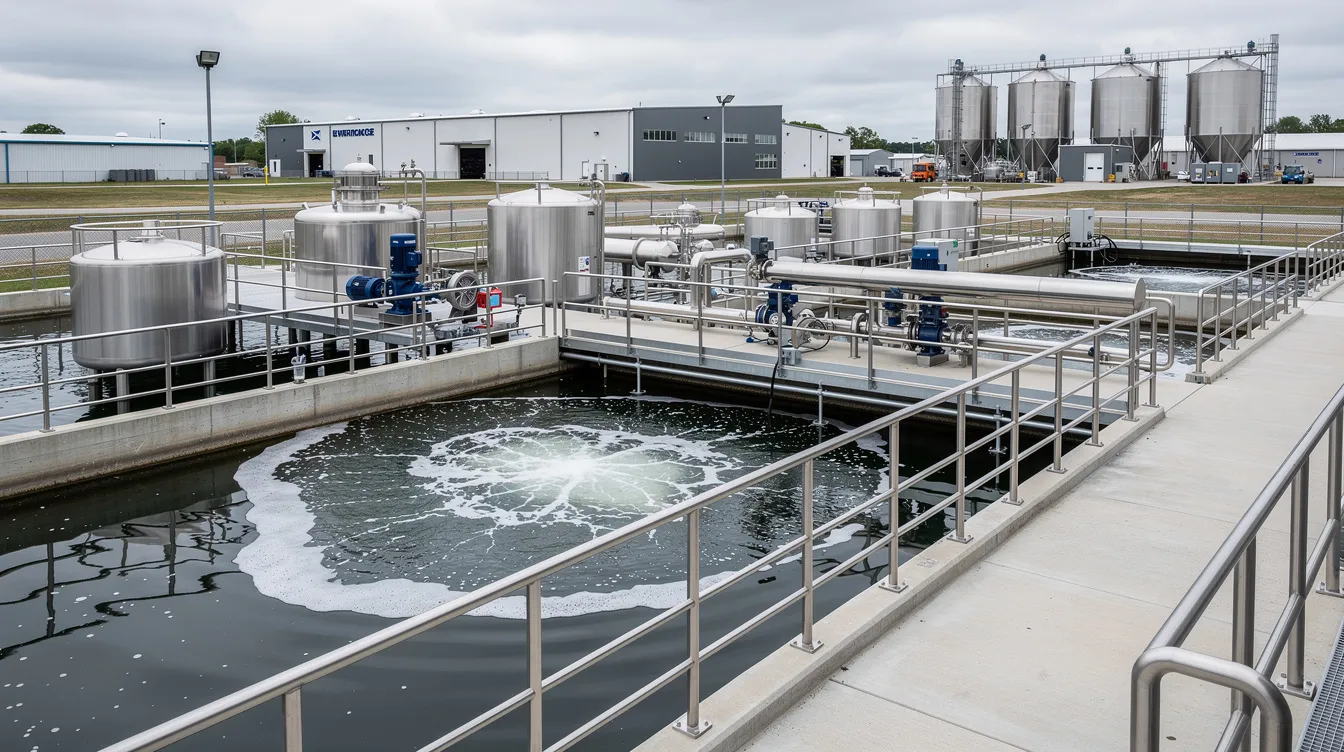
What Is Brewery Wastewater?
Brewery wastewater is the effluent generated during the brewing process, containing a complex mix of organic material, suspended solids, nutrients, and cleaning chemicals. Typical contaminants include high levels of biochemical oxygen demand (BOD), total suspended solids (TSS), nitrogen, phosphorus, yeast, and residual cleaning agents. Accurate sampling and quantification of these constituents are essential for effective treatment design.
Characteristics of High-Strength Brewery Wastewater
Brewery wastewater is characterized by elevated BOD and chemical oxygen demand (COD) values, often ranging from 3,000 to 10,000 mg/L BOD and significant TSS concentrations up to 3,000 mg/L. The pH of the wastewater can vary, influenced by cleaning cycles and process waste, sometimes leading to acidic conditions that promote hydrogen sulfide formation. Peak contaminant loads typically originate from the first rinse during cleaning, spent grain discharge, and yeast-rich waste streams.
Regulatory and Permit Challenges for Industrial Wastewater
Compliance with regulatory standards, including National Pollutant Discharge Elimination System (NPDES) permits, is a critical driver in brewery wastewater treatment. Treatment systems must also meet regulatory standards for wastewater disposal, especially where high BOD, pH swings, and corrosion risks can affect permit compliance. Regular sampling, both in frequency and strategic points, is recommended to ensure adherence to discharge limits and prevent surcharges. Assessing sewer-acceptance criteria and potential financial risks associated with high-strength effluents is essential for sustainable wastewater management.
Brewery Wastewater System Design Considerations
A multi-stage treatment system is generally employed to handle brewery wastewater effectively. Buffer and equalization tanks should be sized based on production volumes and variability in waste stream strength to stabilize influent characteristics. When selecting between aerobic and anaerobic treatment options as part of the treatment process, aerobic treatment requires oxygen input and uses aeration to promote bacteria growth that consumes BOD, which can increase energy demand compared with anaerobic systems. Tradeoffs also include system footprint and lifecycle costs, all of which must align with treatment objectives and site constraints.
Pretreatment: Dissolved Air Flotation and Advanced Filtration
Pretreatment plays a vital role in reducing solids and organic loads before biological treatment. Screening is typically used first to treat the wastewater stream by removing spent grains, hops, and other solids before secondary processes. Dissolved Air Flotation (DAF) is highly effective at removing suspended solids and reducing BOD, outperforming gravity clarification in many cases. Advanced filtration techniques, such as media filtration and membrane systems, offer additional polishing and solids removal, enhancing downstream biological process performance.
Dissolved Air Flotation (DAF) for Brewery Wastewater
DAF removes solids through flotation mechanisms by introducing fine air bubbles that attach to suspended solids, causing them to rise for removal. Key operational controls include air saturation, recycle rates, and sludge removal frequency. Sampling before and after the DAF unit is critical to monitor performance and adjust operational parameters accordingly.
Advanced Filtration Options for High Strength Wastewater
Media filtration with backwash capabilities effectively captures residual solids, while advanced technologies such as membrane systems can support stricter polishing goals with high removal rates of suspended solids and organic compounds. Brewery wastewater often requires advanced treatment processes for reuse or very strict discharge standards. To mitigate fouling, strategies such as periodic backwashing, chemical cleaning, and pretreatment optimization are recommended to maintain filtration efficiency. Disinfection, such as chlorination or ultraviolet light treatment, may follow filtration when required for reuse or discharge compliance.
Biological Treatment: Moving Bed Biofilm Reactor and Membrane Bioreactor
Moving Bed Biofilm Reactors (MBBR) offer advantages over conventional activated sludge by providing a compact footprint and robust performance in variable loading conditions. The biological stage is designed to reduce high organic loading reflected in biological oxygen demand. Selection of biofilm media is based on surface area, durability, and compatibility with brewery wastewater characteristics. Some MBBR media provide more than 5,500 m²/m³ of protected surface area for microorganisms. Membrane Bioreactors (MBR) combine biological treatment with membrane filtration, delivering high-quality effluent but requiring careful management of membrane fouling. They are often selected to manage high BOD loads in variable brewery wastewater. Hybrid configurations can be employed to balance treatment flexibility and cost.
Tertiary Polishing: Reverse Osmosis and Advanced Filtration
Reverse Osmosis (RO) is applicable for water reuse scenarios, providing high rejection of dissolved solids and contaminants. Pretreatment quality, including low TSS and stable pH, is essential to protect RO membranes. Managing RO concentrate involves options such as discharge to sewer with permits, evaporation, or further treatment, depending on local regulations and site capabilities.
Handling High-Strength Streams and Side-Streaming
Segregating high-strength waste streams, like spent grain and yeast, through side-streaming keeps higher amounts of organic material and solids out of the main treatment system. Economic evaluation of trucking versus onsite treatment is necessary, with the main challenge being whether these options are truly cost effective, especially when hauling and disposal can reach tens of thousands per month. This segregation also helps reduce the risk that inadequately managed untreated brewery wastewater will contribute to algal blooms in waterways.
Microbial Fuel Cells (MFCs) present an emerging treatment option for ultra-high-strength waste streams, with early use in the beverage industry and the food and beverage industry because carbon-rich waste can serve as food for the bacteria in these systems. Anaerobic digestion remains a viable treatment option for energy generation from organic-rich wastes. Waste beer may also require dedicated handling.
Integrating Industrial Wastewater Treatment in Brewery Operations
Mapping wastewater flows across production activities facilitates alignment of treatment design with industrial wastewater permits. Breweries can require up to 90 liters of water to produce one liter of beer, increasing wastewater management demands across the brewery environment and requiring scaled treatment planning for craft breweries and rural breweries. Coordination with municipal utilities ensures discharge plans meet regulatory requirements and support sustainable operations.
A Sustainable Approach to Brewery Wastewater
Implementing reuse scenarios, such as process water recycling, can offset potable water consumption, improve sustainability, and reduce risks to the environment from untreated discharge. Reuse and recovery strategies can also lessen eutrophication impacts when cleaner effluent is released to receiving waters. Quantifying simple payback periods and energy recovery potential through biogas or MFCs, alongside spent grain reuse for animal feed, supports informed decision-making and environmental stewardship.
Monitoring, Control, and O&M for High Strength Systems
Critical online sensors for parameters like BOD, TSS, pH, and dissolved oxygen enable real-time process control. Routine laboratory and field sampling programs ensure ongoing compliance and system optimization. Preventive maintenance schedules and common troubleshooting protocols are essential to maintain reliable operation.
Optimizing Brewery Wastewater Management
For new brewery wastewater systems, prioritize multi-stage design with pretreatment, biological treatment, and polishing tailored to site-specific challenges. Existing operations should focus on optimizing current treatment processes and implementing side-streaming strategies. Pilot testing is recommended to de-risk full-scale adoption. Engaging stakeholders early supports successful implementation and regulatory compliance.
Frequently Asked Questions (FAQs)
What makes brewery wastewater challenging to treat?
Brewery wastewater contains high levels of biochemical oxygen demand (BOD), total suspended solids (TSS), nutrients like nitrogen and phosphorus, and cleaning chemicals. Its variable pH and organic load require specialized treatment to prevent environmental harm and meet regulatory standards.
How much wastewater do breweries typically generate?
Breweries can produce between 3 to 10 gallons of wastewater for every gallon of beer produced. This high volume, combined with the strength of the wastewater, demands robust treatment solutions.
Why is pretreatment important in brewery wastewater treatment?
Pretreatment methods like screening and Dissolved Air Flotation (DAF) reduce solids and organic loads before biological treatment. This improves downstream process efficiency and reduces sludge handling challenges.
What are common biological treatment technologies used?
Moving Bed Biofilm Reactors (MBBR) and Membrane Bioreactors (MBR) are widely used. MBBR offers a small footprint with high surface area for microorganisms, while MBR combines biological treatment with membrane filtration for high-quality effluent.
How can breweries minimize their environmental impact through wastewater management?
Implementing side-streaming of high-strength waste, recycling process water, and using advanced treatment technologies like microbial fuel cells or anaerobic digestion can reduce pollutant loads and support sustainability goals.
What role does regulatory compliance play in brewery wastewater treatment?
Breweries must meet discharge limits set by permits such as NPDES to avoid fines and environmental damage. Regular monitoring and system optimization ensure ongoing adherence to these standards.
Can brewery wastewater be reused?
Yes, with proper treatment including tertiary processes like reverse osmosis, treated brewery wastewater can be recycled for non-potable uses within the brewery, reducing freshwater demand and environmental impact.
