
A boiler corrosion inhibitor is a chemical treatment used to prevent or reduce corrosion on metal surfaces inside boiler systems by forming a protective barrier or neutralizing corrosive elements. For boiler operators, maintenance teams, water treatment specialists, and others responsible for boiler reliability, this overview explains what causes corrosion, how it affects efficiency, energy use, repair costs, and safety, and which inhibitor types fit different boiler systems.
This article also states how to select, apply, monitor, and troubleshoot boiler corrosion inhibitors, along with key safety considerations and the return on investment that comes from protecting boiler performance, extending equipment life, and reducing the risk of costly damage or failure.
Key Takeaways
- Corrosion inhibitors target metal surfaces to prevent rust and pitting in boilers.
- Different inhibitor types serve distinct roles, from oxygen removal to film formation.
- Proper dosing and regular monitoring are essential for maintaining system protection.
- Selecting inhibitors depends on boiler type, water quality, and operating conditions.
- Effective corrosion control enhances boiler efficiency and reduces maintenance costs.
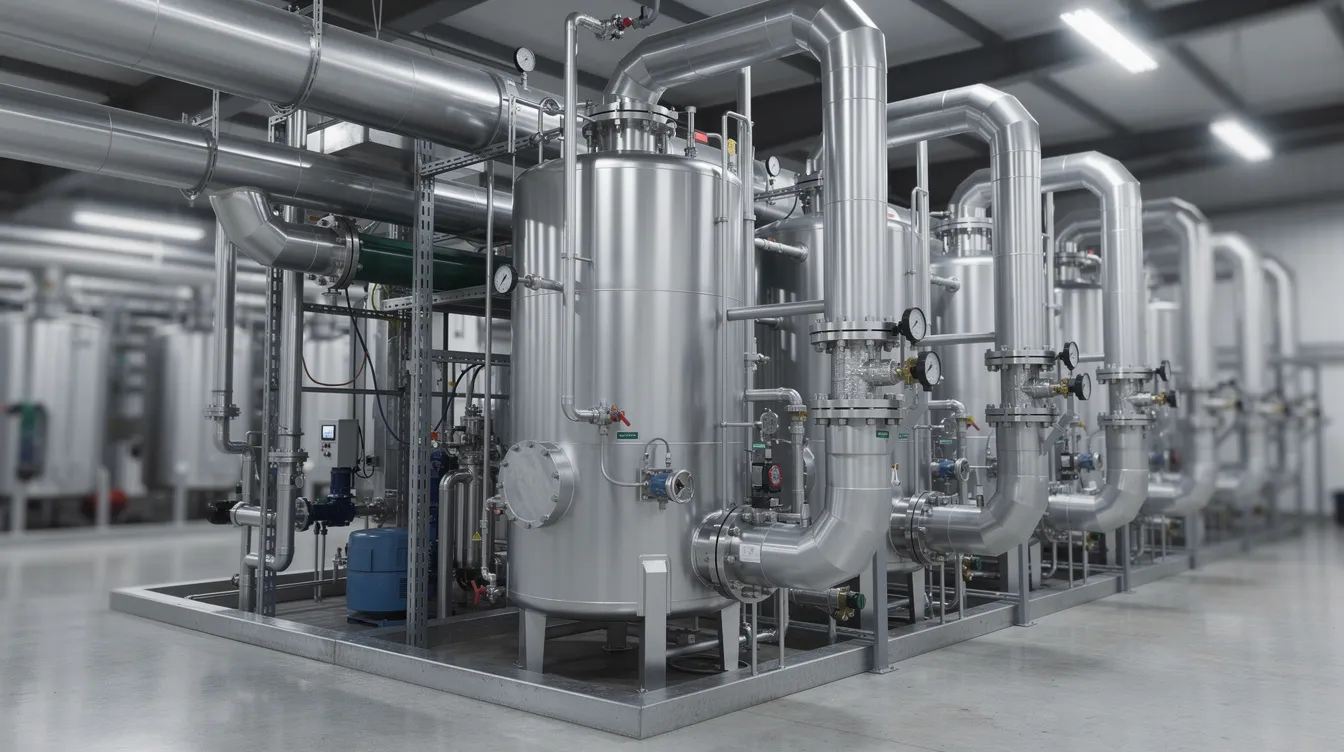
What Is a Boiler Corrosion Inhibitor?
A boiler corrosion inhibitor is a chemical agent designed specifically to prevent or reduce the corrosion of metal surfaces inside boiler systems. Unlike general water treatment chemicals that address water quality broadly, corrosion inhibitors target the metal-water interface to form protective barriers or neutralize corrosive elements. These inhibitors act within various system components such as the boiler itself, condensate system, and associated piping to maintain metal integrity and prevent damage.
Why Boiler Rust Is a Problem for Boiler Systems
Rust forms in boilers when iron or steel reacts with oxygen and moisture in the water. This creates deposits on metal surfaces that decrease heat transfer efficiency and force the system to consume more energy to maintain temperature. Pitting corrosion caused by rust can lead to leaks or catastrophic failure, posing safety risks and costly repairs. Over time, neglected rust issues increase maintenance demands, energy use, and overall cost, making proactive corrosion control essential for system reliability.
Types of Boiler Rust Inhibitors and Corrosion Inhibitor Chemicals
Boiler inhibitors are often selected as part of a broader combination of treatment chemicals, with each chemical family suited for specific applications and boiler types. Grouping inhibitors by their function and system requirements helps in selecting the right treatment. Many systems use a combined approach to control corrosion and scale.
Oxygen Scavengers
Oxygen scavengers chemically remove dissolved oxygen from boiler water, preventing oxygen pitting corrosion. Common scavengers include sodium sulfite, hydrazine, and erythorbate. These are typically fed at the feedwater tank or deaerator to ensure thorough oxygen removal before water enters the boiler.
Film-Forming Amines
Film-forming amines create a hydrophobic protective layer on metal surfaces, especially effective in condensate lines and steam systems. This film reduces contact between metal and corrosive elements. Monitoring markers such as pH and film-former concentration helps assess their effectiveness.
Neutralizing Amines
Neutralizing amines raise the pH of condensate to reduce acidity and prevent corrosion. Untreated fresh water or makeup water introduces dissolved oxygen and minerals, increasing the need for alkalinity control in the condensate system. They are commonly applied at condensate return points to maintain alkalinity and protect system components from acidic attack.
Nitrites and Passivating Inhibitors
Nitrite based corrosion inhibitors form a passive oxide layer on ferrous metals, protecting them from corrosion. They are common in closed-loop heating systems and can be effective on ferrous metals such as mild steel. However, their use requires caution in mixed-metal systems, as nitrites can be incompatible with non-ferrous metals like aluminum.
Phosphonates and Phosphates
These chemicals prevent scale formation by precipitating or dispersing mineral deposits. Phosphates also help maintain alkalinity and may be used with alkalinity builders such as sodium hydroxide when maintaining pH and alkalinity is necessary, but they require careful dosing, especially in systems with low blowdown rates, to avoid deposit buildup.
Polymers and Dispersants
Polymers aid in dispersing suspended solids and preventing sludge accumulation. They are recommended when feedwater contains high particulate levels to maintain system cleanliness and enhance inhibitor performance.
Organic and Tannin-Based Inhibitors
Tannin-based and other organic inhibitors offer low-toxicity alternatives suitable for certain applications, such as hot water boilers and closed-loop systems. These are often favored when environmental or health considerations are equally important.
Choosing an Effective Boiler Treatment by Boiler Type
Selecting the right corrosion inhibitors depends on the boiler type and operating conditions. Steam boilers often require volatile oxygen scavengers and film-forming amines to withstand high temperatures and pressures. Specialized products are also used in outdoor wood furnaces, where compatibility with the heating equipment matters. Hot water closed-loop systems benefit from stable, low-toxicity inhibitors like tannins. Water source characteristics such as hardness and iron content also influence inhibitor choice. For mixed-metal systems, manufacturer specifications and water treatment professionals should guide the inhibitor formulation for each boiler type and water quality profile.
Field Application, Dosing, and Monitoring for Boiler Water
Common injection points for boiler treatment chemicals include the feedwater tank, deaerator, and boiler feed line. Treatment rates may be expressed per gallons of system water. Key parameters to monitor include pH, conductivity, nitrite levels, and dissolved oxygen, with a test strip check supplementing routine measurements where appropriate, and acceptable ranges varying by system type. Testing frequency should reflect system risk and operating conditions, with higher-risk systems requiring more frequent monitoring. Automated dosing systems offer consistent chemical feed, while manual methods provide flexibility but require diligent oversight. Consistent chemical feed is critical because inconsistent dosing can cause premature corrosion.
Formulating a Film-Forming Amines Strategy
Film-forming amines are best fed at points where condensate returns to the boiler to protect condensate lines effectively. A well-designed corrosion inhibitor program uses film-formers and oxygen scavengers in a combined strategy to enhance overall corrosion protection. Regular testing using test strips or laboratory analysis confirms adequate film coverage and inhibitor levels.
Troubleshooting Corrosion Inhibitor Programs
Signs of a failing inhibitor program include increased corrosion rates, fluctuating pH levels, and visible rust or deposits. Verifying dosing equipment accuracy and chemical concentration is the first step in troubleshooting. Persistent corrosion issues may require water sampling and lab analysis to adjust treatment chemistry appropriately.
Environmental, Safety, and Compatibility Considerations
Handling boiler corrosion inhibitors requires proper personal protective equipment (PPE) and adherence to safety guidelines. Safe disposal practices and compliance with local environmental regulations are essential to create a stable chemical environment that reduces corrosion while minimizing health and environmental risks. Compatibility of inhibitors with system materials and other treatment chemicals must be verified, and combinations should be reviewed for material compatibility before use, to avoid adverse reactions.
How Corrosion Inhibitors Extend Boiler Life
Effective corrosion control improves boiler efficiency by preventing scale and rust buildup, leading to lower energy costs and reduced maintenance. A simple payback calculation comparing inhibitor price and operating cost to energy savings and avoided repairs demonstrates the value of treatment programs. Regular maintenance intervals and monitoring help sustain performance and extend equipment lifespan.
Quick Checklist and Action Plan for Implementing Effective Boiler Treatment
To effectively implement boiler corrosion inhibitors, consider the following key steps:
- Perform a baseline water analysis to understand your system’s chemistry before selecting inhibitors.
- Clearly document the chosen treatment chemicals and dosing schedules.
- Note that one gallon of MolyArmor 350 treats 200 gallons of system water, while ChemWorld Boiler Rust Inhibitor treats 250 gallons.
- Establish routine monitoring and recordkeeping protocols to track system health.
- Schedule annual reviews of the treatment program with all stakeholders to ensure ongoing effectiveness.
- During reviews, assess product labels, dosage assumptions, and monitoring records to adjust for changing conditions.
By following these guidelines, boiler operators can maintain system integrity, improve boiler efficiency, and reduce long-term operating costs through effective corrosion inhibitor use.
Conclusion: Protect Your Boiler System with Expert Corrosion Inhibitor Solutions
Boiler corrosion inhibitors play a vital role in maintaining the efficiency, safety, and longevity of your boiler system. By understanding the causes of corrosion and selecting the right combination of inhibitors tailored to your boiler type and water conditions, you can prevent costly repairs, reduce energy consumption, and avoid unplanned downtime. Regular monitoring and proper chemical dosing ensure your system remains protected against rust, scale, and pitting.
If you want to optimize your boiler’s performance and extend its lifespan with effective corrosion control, our expert team is here to help. Contact our team today to discuss your water treatment and boiler system needs.
Frequently Asked Questions (FAQs)
What causes corrosion in boiler systems?
Corrosion in boilers is primarily caused by dissolved oxygen, low pH levels, untreated makeup water, and poor circulation that creates localized corrosion zones. These factors lead to rust, pitting, and sludge buildup that damage metal surfaces.
How do boiler corrosion inhibitors work?
Boiler corrosion inhibitors work by forming protective barriers on metal surfaces, neutralizing corrosive elements like dissolved oxygen and acidic compounds, and maintaining optimal pH levels to reduce corrosion and scale formation.
What types of corrosion inhibitors are commonly used?
Common inhibitors include oxygen scavengers, film-forming amines, neutralizing amines, nitrite-based passivators, phosphates, polymers, and tannin-based organic inhibitors. Each serves a specific role depending on boiler type and water chemistry.
How should corrosion inhibitors be applied and monitored?
Inhibitors are typically injected into the feedwater tank, deaerator, or boiler feed line. Regular monitoring of pH, nitrite levels, dissolved oxygen, and inhibitor concentration ensures consistent protection and early detection of issues.
Can corrosion inhibitors help reduce energy costs?
Yes. By preventing rust and scale buildup, corrosion inhibitors maintain efficient heat transfer, which lowers fuel consumption and reduces overall energy expenses in boiler operation.
Are corrosion inhibitors safe to use?
When handled with proper safety measures and personal protective equipment, corrosion inhibitors are safe. Compliance with environmental regulations and correct disposal practices are essential to minimize risks.
How often should boiler water be tested for corrosion control?
Testing frequency depends on boiler type, operating conditions, and risk level. High-pressure or critical systems require more frequent monitoring, while lower-risk setups may test monthly or quarterly.
What should I do if my corrosion inhibitor program isn’t working?
If signs of corrosion persist, verify dosing equipment, review chemical concentrations, and consult a water treatment professional. Adjustments to the treatment program or water chemistry may be necessary to restore protection.
How do I choose the right corrosion inhibitor for my boiler?
Selection depends on boiler type, operating pressure, water source, and system materials. Consulting with water treatment experts helps tailor the inhibitor blend to your specific system needs.
What is the typical coverage of popular corrosion inhibitor products?
For example, one gallon of MolyArmor 350 treats about 200 gallons of system water, while ChemWorld Boiler Rust Inhibitor treats approximately 250 gallons. Proper dosing ensures effective corrosion protection.
