
Cycles of concentration (COC) refer to the number of times water is recirculated in a cooling tower system before dissolved solids reach a concentration that requires removal through blowdown. For cooling tower operators, water treatment specialists, and facility managers, managing COC is a core part of balancing water efficiency with system longevity by limiting scale formation, corrosion, reduced heat transfer, and biological growth.
This article explains how to define and calculate COC, how makeup water quality and blowdown control affect target cycles, and how chemical treatment, monitoring, pretreatment, and troubleshooting support stable operation. The goal is to help you set practical cycles that protect cooling tower efficiency, reduce operating costs, maintain water quality, and avoid chemistry problems that shorten equipment life.
Key Takeaways
- Cycles of concentration quantify the buildup of dissolved solids in cooling tower water relative to makeup water.
- Proper cycle management optimizes water reuse while mitigating risks of scale, corrosion, and biological growth.
- Makeup water quality and blowdown control are critical factors influencing achievable cycle levels.
- Chemical treatment and continuous monitoring are essential to maintain system stability and protect equipment.
- Pretreatment options can enhance water quality, enabling higher cycles and improved water efficiency.
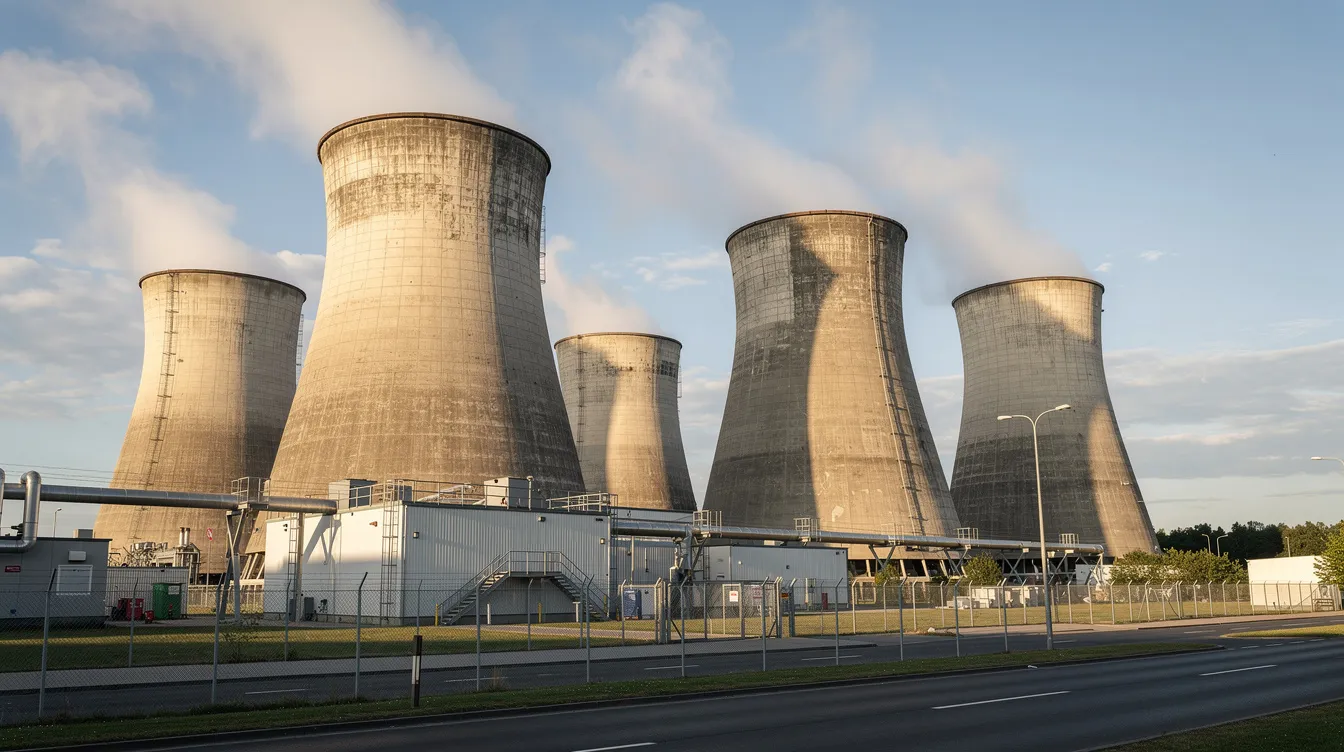
What Is Cycles of Concentration (COC): Key Concept
Understanding cycles starts with measuring how much dissolved solids concentrate in recirculating water compared to fresh makeup water. The most common way to calculate COC is using conductivity measurements, with the formula:
COC = Conductivity of system water / Conductivity of makeup water
Alternative tracers such as chloride, silica, or total dissolved solids (TDS) can also be used for more precise monitoring, as these ions do not evaporate and provide reliable concentration ratios.
How Concentration Increase Occurs in a Cooling Tower System
As water evaporates from the cooling tower, only pure water vapor is lost, leaving dissolved minerals behind. This increase in concentration is driven by evaporation in the cooling system, as pure water leaves and dissolved solids remain. Drift losses and cooling tower blowdown also contribute to water loss, requiring makeup water to maintain system volume. The mass balance is:
Makeup water added = Evaporative losses + Blowdown water + Drift loss
This balance is crucial for maintaining the desired cycles of concentration without exceeding solubility limits. Most cooling tower systems operate between 2 and 4 cycles of concentration as a common range, though increasing cycles lets more water be reused as long as solubility limits and blowdown are still carefully controlled.
Makeup Water Quality and Its Effect on Cycles
The quality of make up water directly impacts how quickly dissolved solids accumulate. It is important to regularly report makeup water TDS and key ions such as calcium hardness, silica, and chloride. Testing frequency should reflect variability in the water supply to adjust treatment programs accordingly and protect system chemistry. Its quality also affects tower cycles and overall water consumption.
Blowdown Control and Finding the Right Target Cycles
Blowdown is the controlled, concentration based removal of water through a blowdown valve to control dissolved solids and prevent scaling. A conductivity set point is typically used to automate blowdown, maintaining cycles within safe limits. The blowdown rate is commonly adjusted from conductivity and target COC to keep concentration within limits. Determining the right target cycles depends on makeup water quality, cooling tower designs, system water chemistry, and operational parameters. Documenting these targets and the rationale behind them ensures consistent tower operation.
Impacts on Heat Transfer Efficiency, Scale Formation, and Corrosion
Maintaining proper cycles of concentration is critical for protecting heat transfer surfaces and overall system performance. Monitoring heat transfer efficiency helps detect early signs of scale or fouling.
Scale Formation and Heat Transfer Efficiency
Scale deposits, often calcium carbonate, form when dissolved minerals exceed solubility limits, especially at higher temperatures. Even thin scale layers reduce heat transfer efficiency, increasing energy consumption. Scale buildup on heat transfer surfaces can be reducing efficiency. Modeling solubility limits and setting threshold COC values can prevent scaling before precipitation begins and protect thermal efficiency.
Corrosion Risks and Monitoring
Higher dissolved solids and shifts in system chemistry can accelerate corrosion. Using corrosion monitoring tools such as corrosion coupons and probes helps correlate corrosion rates with COC trends. Adjusting treatment chemicals and maintaining system chemistry balance reduces corrosion risk.
Biological Growth in Cooling Towers
Elevated cycles can promote biological growth due to increased nutrient concentrations and warmer water temperatures. Suspended solids and biological debris can also build up in cooling towers and contribute to fouling. Routine microbiological monitoring and biofilm control measures, including optimized dosing of treatment chemicals, are necessary to manage microbial risks effectively. Simple monitoring alone is not enough without broader treatment and inspection practices.
Chemical Water Treatment Strategies to Control COC
Water treatment programs should include dispersants and scale inhibitors tailored to the makeup water composition. Corrosion inhibitors must be matched to the metallurgy of process equipment. Validating treatment efficacy through side-stream laboratory tests ensures stable system chemistry and prevents excessive concentration buildup.
Operational Practices and Monitoring for Optimal Cycles
Effective operational practices and monitoring are essential for maintaining optimal cycles of concentration in cooling towers. Key practices include:
- Continuous conductivity monitoring to provide real-time data on system water quality.
- Daily logging of makeup water volume, blowdown rate, and conductivity for trend analysis.
- Setting alarm thresholds to alert operators of rapid increases in water concentration.
- Balancing increased cycles for water savings against the risks of scaling and corrosion.
- Training operators on cycles of concentration management for effective response to system changes.
Design and Pretreatment Options to Enable Higher Cycles
Pretreatment techniques such as reverse osmosis or water softening reduce dissolved solids and hardness, allowing higher cycles of concentration with less scaling risk. Emerging technologies like capacitive deionization (CDI) may offer additional options to improve water efficiency and system performance.
Calculations, Examples, and Quick Reference Tools for COC
Cooling tower operators can calculate the concentration ratio and estimate blowdown rate from target COC values. The concentration ratio is typically measured by comparing system water with makeup water using conductivity or other non-volatile tracers. Quick-reference tables summarizing safe cycle ranges by water type help guide operation. Including a COC calculator worksheet enhances practical understanding and supports decision-making.
Common Problems and Troubleshooting Checklist
When managing cycles of concentration, watch for these common issues and troubleshooting steps:
- Verify makeup water quality to ensure consistent parameters.
- Inspect blowdown valve function to confirm proper operation.
- Check for scaling hotspots that may indicate localized mineral buildup.
- Recognize that poor control can increase operating costs through higher blowdown, chemical use, and maintenance.
- Diagnose microbial outbreaks with microbiological testing and review biofilm control measures.
- Understand that unresolved scaling, fouling, or biological growth reduces system performance and increases water consumption.
- Escalate persistent chemistry drift issues to water treatment specialists for program adjustments.
Setting the Right Target Cycles for Your Cooling Tower System
Selecting optimal cycles of concentration requires balancing water savings, system chemistry, and operational costs. Integrating chemical water treatment with continuous monitoring supports stable tower operation and protects equipment longevity. Water treatment specialists can assist with pilot adjustments and performance reviews to fine-tune cycles. Contact our team for expert cooling tower services to improve water efficiency and system reliability.
Frequently Asked Questions (FAQs)
What are cycles of concentration in cooling towers?
Cycles of concentration (COC) refer to the number of times cooling tower water is recirculated before dissolved solids reach a level that requires removal through blowdown. It reflects how concentrated the tower water becomes compared to fresh makeup water.
How is cycles of concentration calculated?
COC is typically calculated by dividing the conductivity of the system water by the conductivity of the makeup water. Alternatively, chloride or silica levels can be used as tracers for more accurate measurements.
Why is managing cycles of concentration important?
Proper management balances water usage efficiency and system longevity by preventing scale formation, corrosion, reduced heat transfer efficiency, and biological growth in cooling tower systems.
What role does blowdown play in controlling cycles?
Blowdown removes a portion of concentrated cooling tower water to control dissolved solids. It helps maintain target cycles of concentration and prevents scaling and corrosion.
How does makeup water quality affect cycles of concentration?
Higher impurity levels in makeup water limit the achievable cycles of concentration, as dissolved solids accumulate faster, increasing the risk of scale and corrosion.
What are the risks of operating at too high cycles of concentration?
Excessive cycles can lead to scale deposits, corrosion, reduced heat transfer efficiency, increased chemical treatment costs, and potential biological fouling.
Can pretreatment help increase cycles of concentration?
Yes, pretreatment methods such as reverse osmosis or water softening reduce dissolved solids and hardness in makeup water, enabling higher cycles with lower scaling risk.
How often should water quality be monitored in cooling towers?
Continuous conductivity monitoring along with regular testing of key parameters like calcium hardness, silica, and chloride is recommended to maintain stable cycles and system health.
What is the typical range of cycles of concentration for most cooling towers?
Most cooling towers operate effectively between 2 and 4 cycles of concentration, balancing water savings with manageable scaling and corrosion risks.
How do chemical water treatment programs support cycle management?
They use dispersants, scale inhibitors, and corrosion inhibitors tailored to system needs to maintain water chemistry stability and allow safe operation at target cycles.
