
Industrial water treatment facilities are essential infrastructures that treat water and wastewater from industrial processes so it can be safely discharged, reused, or, where required, brought to potable standards.
The article focuses on the main types of industrial water treatment plants, along with their design, operation, process trains, equipment, water quality control, sludge management, commissioning, and performance optimization. For specialists responsible for selecting, designing, operating, or improving these systems, the subject is central to protecting public health, managing water resources, and keeping industrial operations compliant and sustainable.
Key Takeaways
- Industrial water treatment facilities are tailored to handle diverse contaminants from various industries.
- Integration of physical, chemical, and biological processes ensures comprehensive treatment.
- Continuous operation and automation enhance reliability and compliance.
- Advanced treatment stages address emerging contaminants and improve effluent quality.
- Effective sludge management contributes to sustainability and resource recovery.
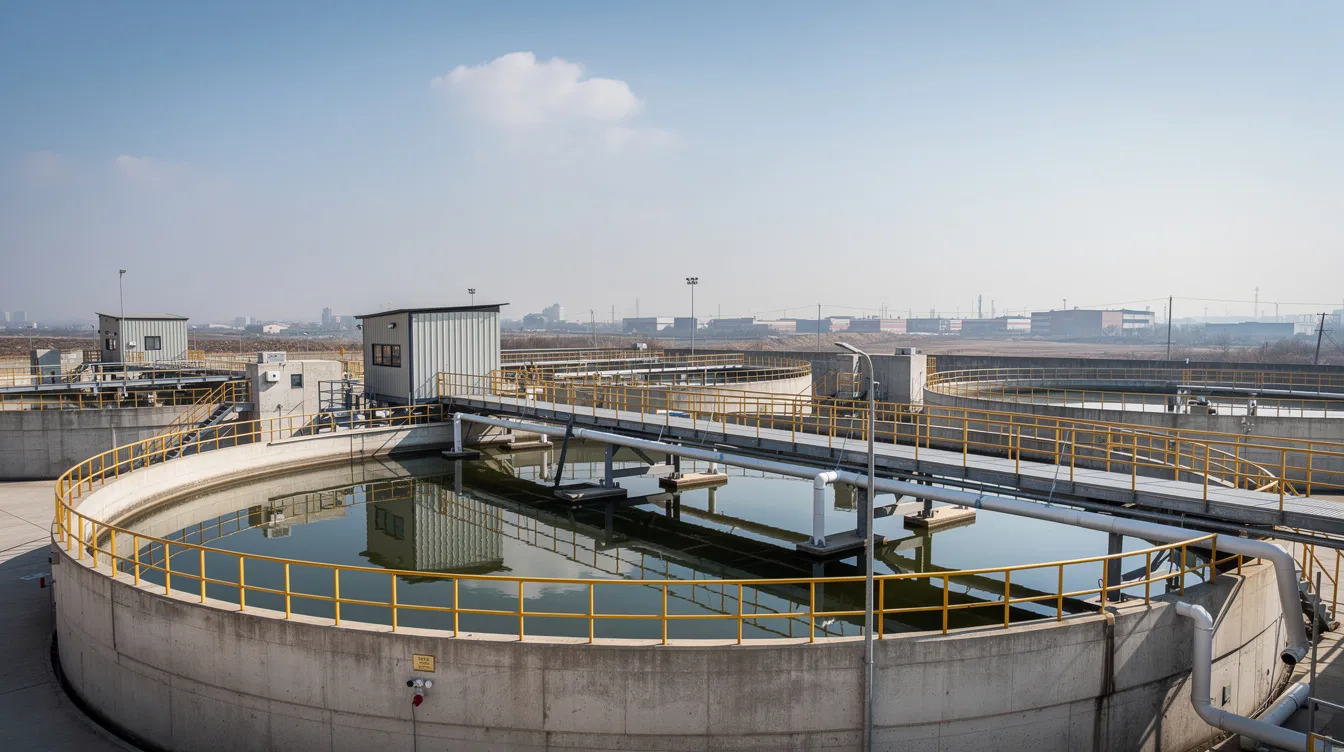
Types of Treatment Plants
Water treatment plants can be categorized based on the nature of their influent and the intended end use of the treated water. Wastewater treatment plants primarily serve industrial and municipal sectors by treating contaminated water before discharge or reuse. Water treatment plants, on the other hand, focus on producing potable water suitable for human consumption. Specialized facilities, such as leachate treatment plants, address unique waste streams like landfill leachate.
Sewage Treatment Plants
Sewage treatment plants function through multiple stages. They serve municipal and industrial users, including businesses, with wastewater in many cities conveyed through sewers and pipes before treatment. Sometimes it’s treated alongside stormwater in combined systems before treated effluent is discharged to rivers or lakes. Some areas also handle wastes from septic systems separately from centralized sewer networks. Primary treatment involves the removal of settleable solids and grit to reduce the load on subsequent processes. Secondary treatment employs biological methods to degrade organic matter and reduce biochemical oxygen demand. Tertiary or polishing treatments aim to remove residual nutrients, pathogens, and trace contaminants to meet stringent discharge standards. For influent with high-strength pollutants, pretreatment is often necessary to protect biological systems.
Industrial Wastewater Treatment Plants
Industrial wastewater treatment targets typical contaminants in wastewater collected from homes and businesses, including oils, heavy metals, organics, and nutrients like phosphorus and nitrogen. On-site pretreatment steps, including oil-water separation and chemical coagulation, are crucial for managing oily wastes and toxic compounds. Separated grease or solids may be recovered for reuse or disposal. Many industries implement water reuse and process-water recycling strategies to optimize water supplies and reduce disposal volumes. Treated effluent may be released to rivers or lakes only after meeting discharge standards.
Anatomy of a Wastewater Treatment Plant
A typical wastewater treatment plant follows a hydraulic flow sequence starting from influent reception through screens and grit chambers, followed by primary sedimentation tanks where solids settle. In pretreatment, oils and similar materials can be separated and recovered before downstream treatment or disposal. Biological treatment units, such as activated sludge reactors or biofilters, then reduce organic loads. Subsequent tertiary processes may include filtration through sand or membrane filters and disinfection using chlorine or ozone. Key equipment includes pumps, aerators, clarifiers, and instrumentation for flow and load measurement to ensure process control, with routine checks and analyses performed to support compliance and efficiency.
Designing a Water Treatment Plant
Designing a treatment plant begins with sizing unit processes based on influent load data and anticipated capacity, including any controls on accepting hauled waste only from within the approved county and with the pickup location documented. Technology selection must align with effluent quality targets and regulatory requirements. The site layout should allocate adequate footprint for major process units while considering constructability constraints such as land availability, proximity to water supplies, and community impact, with routine monitoring, sampling, and control checks performed throughout the plant to maintain process control.
Wastewater Treatment Processes
Solids separation mechanisms like sedimentation and coagulation allow particles to settle or form larger aggregates called floc. Biological treatment options include aerobic and anaerobic systems, selected based on influent characteristics and treatment goals. When facilities accept hauled waste, design and permit planning may restrict service to a specific county and require documentation of the waste pickup location. Tertiary polishing may involve advanced oxidation processes, membrane filtration, or nutrient removal to enhance effluent quality. These methods are widely used to meet stricter discharge targets. Employ reverse osmosis for high-purity water needs, while chemical disinfection with chlorine or ozone ensures pathogen inactivation.
Operations, Controls, and Automation
Effective operation requires skilled operators working in shifts to provide continuous service. Supervisory Control and Data Acquisition (SCADA) systems enable real-time process oversight, alarm management, and data logging. Control-loop tuning and preventative maintenance schedules are essential to maintain optimal performance and avoid downtime.
Water Quality and Drinking Water Considerations
Critical water quality parameters such as turbidity, taste, odor, iron, and microbial contaminants must be monitored regularly. Disinfection strategies commonly use chlorine or ozone to meet regulatory standards. Sampling frequency and performance targets are established based on regulatory requirements and community needs to ensure safe drinking water delivery.
Sludge Management and Resource Recovery
Sludge production rates are quantified during design to plan for adequate handling and disposal. Dewatering technologies reduce sludge volume, facilitating beneficial reuse options such as land application or composting. Anaerobic digestion offers energy recovery through biogas production while stabilizing biosolids.
Compliance, Permits, and Risk Management
Water treatment facilities operate under various permits that define discharge limits and operational conditions. Regulatory requirements cover parameters like biochemical oxygen demand, phosphorus, and pathogen counts. Emergency response plans and chemical-handling risk assessments are vital components of risk management to protect workers and the environment.
Performance Optimization and Lifecycle Costs
Energy audits identify opportunities for savings, while targeted process optimizations improve efficiency. Retrofit actions address aging equipment to extend service life. Estimating lifecycle costs for major assets supports informed decision-making and budget planning.
Conclusion
Industrial water treatment facilities are critical in managing complex water and wastewater challenges across various sectors. By delivering efficient treatment processes, these facilities protect public health, safeguard the environment, and support sustainable industrial operations. With the majority of water treatment plants utilizing advanced technologies and continuous monitoring, the industry continues to evolve to meet increasing regulatory and environmental demands.
For specialized support in designing, operating, or optimizing your water treatment facility, contact our team today. We are dedicated to providing tailored solutions that ensure compliance, efficiency, and long-term performance. Reach out to learn how we can help you achieve your water treatment goals.
Frequently Asked Questions (FAQs)
What are the primary types of water treatment facilities?
Water treatment facilities generally include sewage treatment plants, industrial wastewater treatment plants, and specialized units like leachate treatment plants. Each type focuses on treating specific water contaminants to meet regulatory and environmental standards.
How much water can typical industrial wastewater treatment plants process?
Capacity varies widely, but some facilities, like Springfield’s wastewater treatment plant, can treat up to 3.4 million gallons daily. Design capacity depends on influent volume and treatment goals.
What are the main stages involved in wastewater treatment?
Wastewater treatment typically includes primary sedimentation for solids removal, secondary biological treatment to degrade organics, and tertiary or polishing steps for nutrient and pathogen removal. Advanced processes may include reverse osmosis and chemical disinfection.
How do water treatment plants ensure safe drinking water quality?
These plants monitor parameters such as turbidity, microbial contaminants, and chemical composition. Treatment steps like coagulation, filtration, and disinfection with chlorine or ozone ensure water meets health standards.
What role does sludge management play in water treatment facilities?
Sludge is a byproduct of treatment processes. Effective management includes dewatering, stabilization through anaerobic digestion, and beneficial reuse like land application or composting, which also supports resource recovery.
How do industrial water treatment facilities handle hazardous contaminants?
Pretreatment steps such as chemical coagulation and oil-water separation remove toxic compounds and oils before biological treatment. This protects downstream processes and ensures compliance with disposal regulations.
Are water treatment facilities operated continuously?
Yes, most facilities operate 24/7 with trained operators working in shifts. Automation and SCADA systems support continuous monitoring and process control to maintain performance.
How do regulatory permits impact water treatment operations?
Permits define discharge limits and operational conditions, including parameters like biochemical oxygen demand and pathogen counts. Compliance requires regular monitoring, reporting, and risk management plans.
What is the significance of a multiple-barrier approach in water treatment?
A multiple-barrier approach uses several treatment stages (physical, chemical, and biological) to enhance water safety by reducing contaminants at each step, minimizing risks of waterborne diseases.
Can treated industrial wastewater be reused?
Yes, many industries implement water reuse and recycling strategies to conserve water resources. Treated effluent that meets quality standards can be reused within processes or safely discharged.
