
Legionella bacteria pose a significant health risk in building water systems when conditions support their growth and proliferation. Understanding the legionella temperature range and the environmental factors that influence bacterial survival is crucial for managing and mitigating this risk.
This article provides a comprehensive overview of the temperature thresholds critical to Legionella growth and control, explores the impact of water system design and management on bacterial proliferation, and outlines best practices for effective temperature control and Legionella prevention. By gaining a clear understanding of these factors, water treatment professionals can implement targeted strategies to inhibit Legionella growth, protect public health, and ensure compliance with regulatory standards.
Key Takeaways
- Legionella bacteria multiply most rapidly in water temperatures ranging from 20°C to 45°C, with growth inhibited above 50°C and eliminated at 60°C or higher.
- Maintaining hot water storage and distribution at sufficiently high temperatures is essential to prevent bacterial proliferation in building water systems.
- Keep cold water systems cool enough to avoid creating environments conducive to Legionella growth, especially in stagnant or low-flow sections.
- Effective water management involves regular temperature monitoring, system maintenance, removal of stagnant water, and appropriate use of thermostatic mixing valves.
- Integrate supplemental disinfection methods within a comprehensive management plan to enhance control where temperature regulation alone is insufficient.
- Balancing the prevention of Legionella growth with minimizing scald risk requires careful system design and ongoing maintenance.
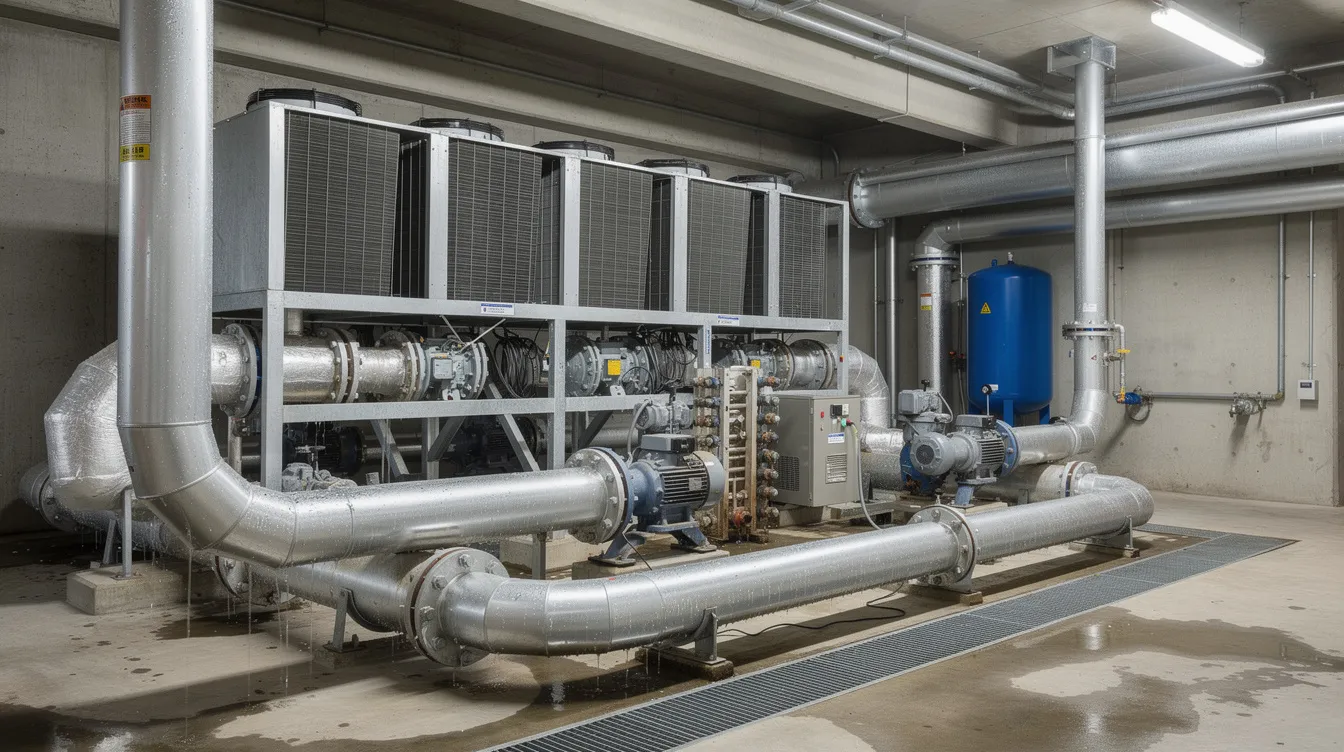
Managing Legionella in Building Water Systems
Effective Legionella control hinges on maintaining water temperatures outside the bacteria’s optimal growth range. Practitioners should prioritize temperature regulation as part of formal water management programs that include disinfection and system design considerations. This approach is vital not only for potable water systems but also for water-containing components in air conditioning and cooling towers, where aerosolization can lead to spreading Legionella. That matters for preventing legionnaires disease and applying legionella control measures that reduce legionella risks in hot and cold water systems.
Key parameters to monitor across hot water systems and cold water systems within overall plumbing systems include water temperature, disinfectant residual levels, water flow, and system cleanliness. Regular monitoring and documentation support timely interventions and sustained control.
Key Factors Affecting Legionella Growth
Temperature is the primary environmental factor influencing Legionella proliferation. Key points to understand include:
- Legionella bacteria grow best in water temperatures between 20°C and 45°C, considered the ideal warm water range.
- Stagnant water promotes bacterial multiplication by allowing water to remain within this growth temperature range.
- Dead legs in plumbing systems can cause water temperatures to drift into the permissive growth zone, increasing risk.
- Disinfectant residuals are critical control measures that suppress Legionella growth when maintained at appropriate levels.
- Biofilms and nutrient availability provide protective environments and sustenance that support Legionella proliferation.
The Legionella Temperature Range: Definitions and Benchmarks
Legionella bacteria thrive in warm water temperatures between 20°C and 45°C (68°F to 113°F). Below 20°C (68°F), cold water temperatures help keep cold water from supporting active growth, though the bacteria can remain viable. Temperatures above 50°C (122°F) begin to inhibit growth and cause bacterial die-off, with complete killing typically occurring at or above 60°C (140°F).
| Temperature Range | Effect on Legionella |
|---|---|
| Below 20°C (68°F) — cold water temperatures | Dormant, no active multiplication |
| 20°C–45°C (68°F–113°F) | Optimal growth range |
| 50°C–60°C (122°F–140°F) — hot water temperatures | Growth inhibited; bacterial die-off begins |
| Above 60°C (140°F) | Legionella killed |
In practice, keep stored hot water at or above 60°C. A minimum temperature at distal outlets is a common target for inhibiting Legionella growth.
How Temperature Kills Legionella Bacteria
The relationship between temperature and Legionella kill rate depends on both the temperature level and exposure time. At 50°C, bacteria begin to die, but sustained exposure to high temperatures kill legionella bacteria reliably. At 60°C and above, killing is rapid and effective within minutes to kill legionella as part of thermal disinfection. Thermal shock treatments, which temporarily raise water temperatures, have limitations and are not recommended as sole remediation methods due to potential for rapid recolonization. Instead, maintaining safe operational time-temperature combinations is advised to inhibit growth continuously and help prevent legionella contamination.
Water Heaters, Boilers, and Building Water Systems
Set water heaters and boilers to keep stored hot water at or above 60°C (140°F), including in storage tanks where applicable for effective Legionella control. In hot and cold water distribution, recirculation helps maintain these temperatures and limits temperature loss across water system components, reducing cold spots that support bacterial growth. Proper insulation and mitigation of heat loss are essential to sustain temperatures. Poorly controlled cold water tanks or other storage tanks can still warm up and create risk. Routine maintenance checks on water heaters, including temperature verification, inspection of water system components, and confirmation of minimum temperature performance, are critical components of Legionella prevention.
Prevent Legionella Growth Through Water Management and Water Treatment
Comprehensive water management programs are essential, and each should begin with a risk assessment while encompassing governance, continuous monitoring, and documentation. Authoritative guidance from the American Industrial Hygiene Association and the Environmental Protection Agency can help inform these frameworks. Monitor temperature and disinfectant residuals continuously to ensure maintained control limits. Document corrective actions promptly as legionella control measures used to manage legionella contamination in complex building water systems.
Monitor Temperature and Disinfectant Residual
Control limits include maintaining hot-water storage temperatures above 60°C, managing cold water systems so cold water stays below 20°C, and regulating hot water temperatures throughout the system. Outlet temperatures above 50°C (55°C in healthcare settings) are minimum temperature targets at distal outlets. Disinfectant residuals should be kept within effective ranges to inhibit bacterial growth without causing corrosion or adverse effects. Unstable temperatures are a priority for testing because they can support legionella growth. Logging, trending, and alarm systems aid in early detection of control failures.
Address Stagnant Water and System Design
Dead legs and low-flow sections in plumbing systems encourage stagnation and can allow water temperatures to fall into the legionella growth zone. Both hot water systems and cold water systems are vulnerable when stagnation disrupts temperature control. It’s vital to identify and eliminate these areas through system design improvements. Infrequently used outlets, such as emergency showers and eye wash stations, should be flushed weekly. Showerheads and aerators require periodic cleaning and descaling to remove biofilms, and mixing valves and water softeners should also be inspected and maintained where installed.
Point of Use Filters and Supplemental Water Treatment
Point-of-use filters can be installed at critical outlets to provide immediate protection, especially in high-risk environments. Replacement intervals should follow manufacturer recommendations. Supplemental disinfection options, such as chlorine dioxide or copper-silver ionization, should be selected based on system specifics and integrated within the WMP, with treatment choices accounting for storage tanks, cold water storage tanks, and other water system components that affect disinfectant residual performance.
Air Conditioning, Cooling Towers, and Legionella Control
Water-containing HVAC components, including cooling towers, evaporative condensers, and contaminated cooling towers, must be mapped and assessed for Legionella risk by qualified air conditioning engineers. Where present, hot tubs should also be assessed as another aerosol-generating source. Treatment plans should include chemical biocide dosing, monitoring of water quality parameters (temperature, pH, conductivity), and regular maintenance. Reducing aerosolization risk through design and operational controls is critical to preventing spreading legionella from aerosol-producing equipment.
Monitoring, Testing, and Remediation Actions
Routine Legionella testing should target high-risk points within the water system, especially locations with warm water, unstable temperatures around the ideal temperature for growth, or prior legionella contamination. Testing and remediation decisions should also sit within broader legionella control measures. Action thresholds guide remediation decisions: low-level detections prompt review of control measures, while higher concentrations necessitate immediate remediation. Chemical shock treatments, involving elevated disinfectant levels for limited durations, are effective remediation options. Post-remediation verification sampling confirms treatment success.
Implementation Considerations and Scald Risk Balance
Balancing Legionella control with user safety is essential, as temperatures effective for bacterial kill pose scald risks, so thermostatic mixing valves are used to reduce scald risk while allowing higher upstream temperatures to control Legionella. Regular audits of thermostatic mixing valve placement and functionality, including mixing valves near fixtures, help ensure safe delivery temperatures, and regular inspection helps maintain safe outlet temperatures. These devices should not compromise minimum temperature control in hot water systems. User safety signage and training complement technical controls to mitigate scald hazards while maintaining microbial safety.
By adhering to these guidelines, water treatment specialists can effectively control Legionella growth, safeguard public health, and maintain compliance with industry standards and regulations. For more information on Legionella testing and management, contact our team today.
Frequently Asked Questions (FAQs)
What is the legionella temperature range for bacterial growth?
Legionella bacteria grow best in water temperatures between 20°C and 45°C (68°F to 113°F). Below 20°C, the bacteria remain dormant, and above 50°C, growth is inhibited with bacterial die-off beginning. Complete killing typically occurs at or above 60°C (140°F).
How can water temperature be managed to control Legionella?
Effective control involves storing hot water at or above 60°C and maintaining circulating hot water temperatures above 50°C to 55°C at distal outlets. Cold water should be kept below 20°C. Regular monitoring, insulation, elimination of dead legs, and flushing infrequently used outlets help maintain safe temperatures throughout the entire system.
What role do thermostatic mixing valves play in Legionella control?
Thermostatic mixing valves reduce scald risk by blending hot water with cold water at outlets. While they protect users, it is crucial that upstream hot water temperatures remain high enough to inhibit Legionella growth. Regular inspection and maintenance of these valves ensure they do not create unsafe temperature zones that support bacterial proliferation.
Can Legionella survive in cold water?
Yes. Legionella can survive in cold water below 20°C in a dormant state but does not actively multiply. However, if cold water temperatures rise into the 20°C to 45°C range, especially in stagnant conditions, Legionella can begin to grow.
Why is flushing important in Legionella prevention?
Flushing removes stagnant water from low-flow pipes, dead legs, and infrequently used outlets, preventing water from remaining within the Legionella growth temperature range. Weekly flushing of such areas helps disrupt bacterial growth and biofilm formation.
Are supplemental disinfection methods necessary?
In some systems where temperature control alone is insufficient, supplemental disinfection methods like chlorine dioxide or copper-silver ionization can provide additional control. These methods should be integrated within a comprehensive water management program and tailored to the entire system’s characteristics.
How does biofilm affect Legionella growth?
Biofilms provide a protective environment and nutrient source for Legionella, shielding bacteria from disinfectants and temperature fluctuations. Effective system maintenance, including cleaning and descaling of fixtures, helps reduce biofilm formation and associated risks.
What are the risks of thermal shock treatments?
Thermal shock treatments temporarily raise water temperatures to kill Legionella but are not recommended as sole remediation methods due to potential rapid recolonization. Sustained temperature control and comprehensive water management are more effective for long-term prevention.
How should water temperatures be monitored for Legionella control?
Water temperatures should be regularly monitored at multiple points, including storage tanks, circulating water, and distal outlets. Monthly checks are common, with logging and trending to detect deviations. Monitoring supports early detection of temperature failures that may promote Legionella growth.
What is the balance between Legionella control and scald risk?
Temperatures required to kill Legionella (above 60°C) can cause scald injuries. Balancing microbial safety and user protection involves maintaining high temperatures in storage and distribution while using thermostatic mixing valves to reduce outlet temperatures to safe levels.
