
What Is Chlorine Dioxide Solution and How Is It Used in Water Treatment?
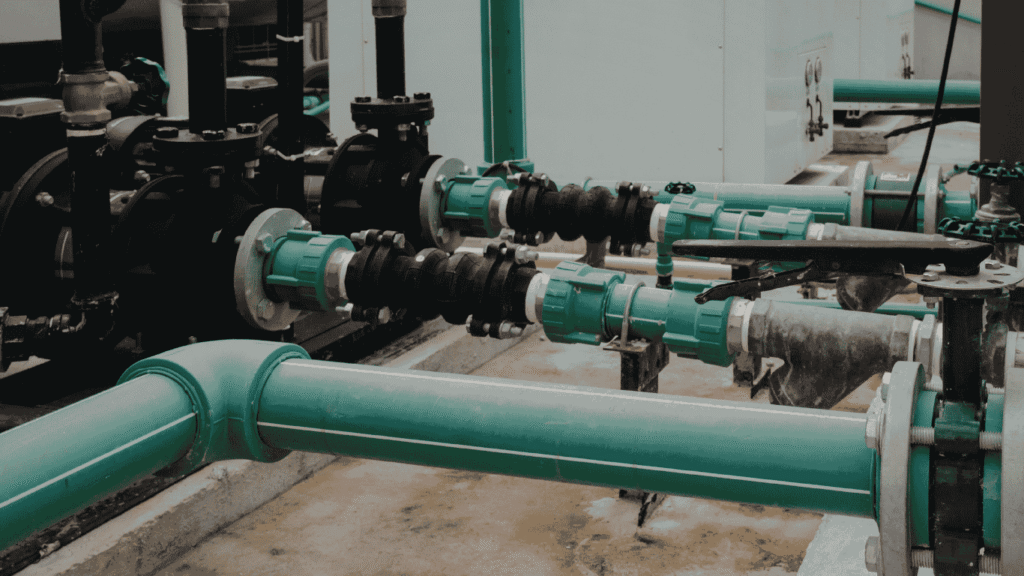
Chlorine dioxide solution is a widely used disinfectant in water treatment applications, including drinking water, cooling towers, and industrial water systems. It is valued for its ability to control harmful bacteria, reduce odor, and improve overall water quality without producing the same byproducts as traditional chlorine. At the same time, chlorine dioxide has become associated […]
Chlorine Dioxide Sterilization: How It Works for Water System Disinfection
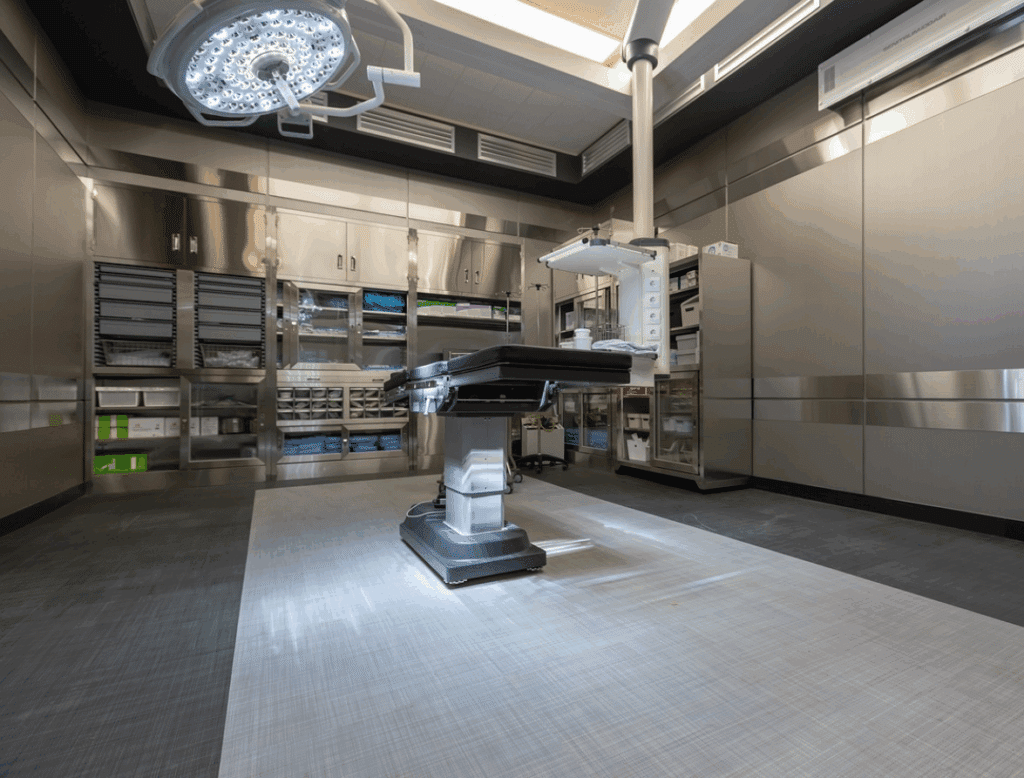
Chlorine dioxide sterilization is a widely used sterilization process for controlling bacteria, viruses, and other microorganisms in both industrial water systems and medical device sterilization environments. Unlike chlorine, chlorine dioxide is a highly effective oxidizing agent that can eliminate microbial contamination without forming large amounts of chlorinated organic byproducts. Chlorine dioxide sterilization is used across […]
Legionella Lawsuits: Causes, Liability, and How Facilities Can Reduce Risk

Legionella lawsuits are increasingly tied to Legionnaires disease outbreaks linked to contaminated water systems in commercial and industrial facilities. When Legionella bacteria grow in cooling towers, plumbing systems, or other building water systems, exposure can result in serious illness, legal claims, and significant liability for building owners and responsible parties. Understanding how Legionnaires disease occurs—and […]
How Water Treatment Extends Equipment Lifespan

Investing in water treatment isn’t just about compliance—it’s about long-term savings. Corrosion, scaling, and sediment buildup can drastically shorten the lifespan of cooling towers, boilers, and closed-loop systems. By implementing a strategic water management plan, businesses can reduce repair costs, improve efficiency, and extend the life of their critical equipment.
Legionella Risk Management: Why Regular Testing Matters

Legionella bacteria thrive in untreated water systems, posing a serious health risk to building occupants. Cooling towers, boilers, and water storage tanks are prime breeding grounds for this dangerous pathogen. Regular Legionella testing and water treatment protocols are crucial for compliance, safety, and preventing outbreaks.
The Hidden Costs of Poor Water Treatment

Water treatment is often overlooked, but small inefficiencies can add up to thousands in extra costs annually. From scaling and corrosion to bacterial growth, untreated water can lead to higher energy bills, equipment breakdowns, and safety risks. In this blog, we’ll explore the hidden dangers of neglecting water treatment and how proactive management can save […]
