
A chlorine monitor is one of the most important tools in modern water treatment systems. Whether in drinking water, wastewater applications, or cooling towers, accurate chlorine measurement is critical for maintaining water quality, ensuring compliance, and protecting equipment and public health.
Operators know that adding chlorine is only half the job. The real challenge is maintaining the right chlorine levels across the entire system. Too little chlorine allows harmful microorganisms to survive. Too much chlorine increases chemical usage, creates disinfection byproducts, and can damage downstream processes.
That is where chlorine monitoring systems come in.
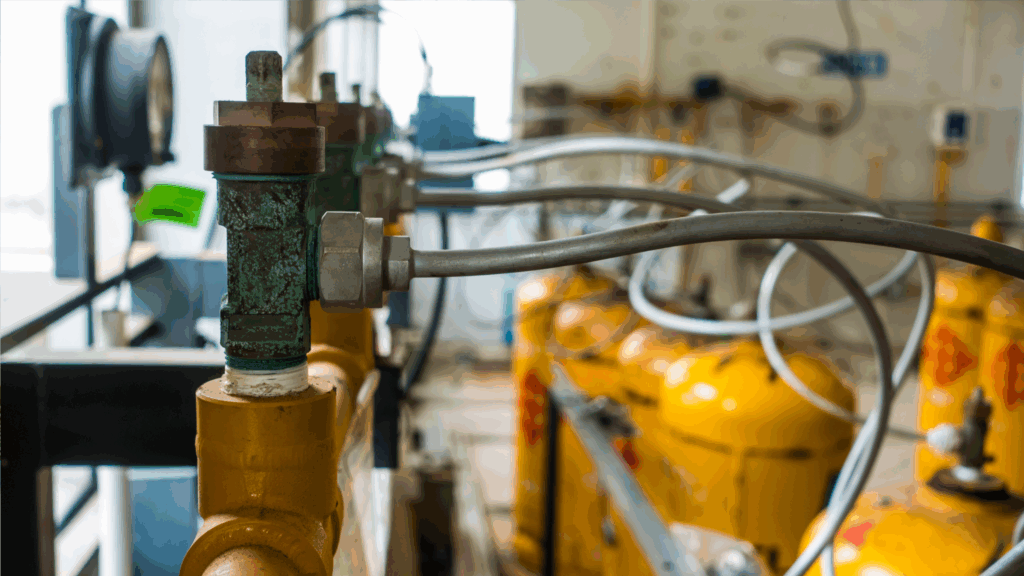
Why Chlorine Monitoring Matters in Real Systems
In the field, chlorine control is rarely stable without feedback. Flow changes, temperature shifts, organic matter, and system demand all affect how chlorine behaves.
In most water systems, what actually happens is this:
- Chlorine demand changes throughout the day
- Organic material consumes chlorine unpredictably
- Distribution systems lose residual over distance
Without a reliable chlorine monitor, operators are effectively guessing.
Chlorine monitoring systems provide real-time detection and allow operators to adjust dosing for process optimization and stable performance.
What a Chlorine Monitor Measures
A chlorine monitor is designed to measure free or total chlorine in water systems.
- Free chlorine refers to chlorine available for disinfection
- Total chlorine includes both free and combined chlorine
Maintaining proper free chlorine levels ensures effective disinfection, while tracking total chlorine helps identify combined chlorine formation and system inefficiencies.
In many systems, especially drinking water and wastewater, maintaining the correct balance is essential for compliance with US EPA regulations.
Common Chlorine Monitoring Methods
There are several methods used for chlorine measurement in water treatment.
DPD Colorimetric Method
The DPD colorimetric method is one of the most widely used techniques. It uses reagents that react with chlorine to produce a color change, which is then measured by the analyzer.
This method is widely accepted and referenced in US EPA method guidelines for drinking water permit reporting.
Amperometric Sensors
Amperometric analyzers measure chlorine based on electrical current generated by a chemical reaction. These systems provide continuous monitoring and are commonly used in industrial water systems and wastewater applications.
Flow Injection Analysis
Flow injection analysis is used in high-precision environments where highly accurate method requirements are necessary. It allows for automated sampling and consistent detection of chlorine concentration.
Comparison of Chlorine Monitoring Methods
| Method | Accuracy | Application | Notes |
|---|---|---|---|
| DPD colorimetric method | High | Drinking water, compliance | Requires reagents |
| Amperometric analyzer | Continuous, reliable | Industrial systems | Low maintenance option |
| Flow injection analysis | Very high | Laboratory and advanced systems | Higher cost and complexity |
Each method has its place depending on system requirements and operational needs.
Where Chlorine Monitoring Is Used
Chlorine monitoring systems are used across a wide range of applications.
Drinking Water Systems
In drinking water systems, chlorine monitors ensure water safety and compliance with EPA regulations. Monitoring is required for reporting and maintaining safe levels throughout distribution.
Wastewater Applications
In wastewater treatment, chlorine monitors are used to control disinfection before discharge. This is especially important for municipal wastewater final effluent, where excess chlorine can harm aquatic habitats.
Cooling Towers and Industrial Systems
Cooling towers and industrial water systems rely on chlorine monitoring to control biological growth and maintain system performance.
In these systems, chlorine monitoring is closely tied to dosing equipment such as chlorine injection pumps, which adjust chemical feed based on real-time measurements.
Key Factors That Affect Chlorine Measurement
Chlorine measurement is influenced by several variables that operators must account for.
- Water temperature
- Presence of organic matter
- pH levels
- Flow conditions
As explained in our breakdown of chlorine and pH, pH plays a major role in how chlorine behaves and how effective it is at disinfecting water.
System Integration and Automation
Modern chlorine monitoring systems are often integrated with control systems and automation platforms.
This allows for:
- Automated dosing adjustments
- Real-time data collection and analysis
- Improved process control
In practice, this means operators can maintain stable chlorine levels without constant manual intervention.
Maintenance and Calibration Requirements
A chlorine monitor is only as reliable as its maintenance program.
Key requirements include:
- Regular calibration using standard solutions
- Replacement of reagents where applicable
- Cleaning sensors and tubing
- Verifying readings against manual test kits
Without proper instrument maintenance, even the most advanced analyzer can produce inaccurate data.
Challenges with Chlorine Monitoring
In real systems, chlorine monitoring is not always straightforward.
Common challenges include:
- Sensor fouling in high solids water
- Drift in readings due to poor calibration
- Reagent degradation over time
- Variability in chlorine demand
Operators must account for these factors to maintain reliable data.
Chlorine Monitoring and Compliance
For facilities operating under US EPA regulations, chlorine monitoring is a critical part of compliance.
This includes:
- Maintaining records for drinking water permit reporting
- Ensuring discharge meets environmental standards
- Protecting public health and aquatic systems
Accurate monitoring ensures facilities remain compliant and avoid penalties.
Selecting the Right Chlorine Monitor
Choosing the right chlorine monitor depends on system requirements.
Key considerations include:
- Required accuracy and detection range
- Maintenance requirements
- Cost and long-term operation
- Compatibility with existing systems
Not all analyzers are suitable for every application, and proper selection is essential for long-term performance.
Types of Chlorine Analyzers Used in the Field
In practice, the type of analyzer you choose matters as much as the chemistry. Most facilities standardize on a chlorine monitor that can measure free or total chlorine continuously with minimal operator input.
Common analyzer configurations include:
- DPD colorimetric method analyzers that use reagents and measure absorbance at a wavelength centered for chlorine detection
- Amperometric analyzers that measure chlorine via electrochemical response at electrodes
- Flow injection analysis systems used where a highly accurate method is required for compliance or critical processes
Many modern units are factory calibrated, use low reagent or low reagent use designs, and are built for low maintenance with simplified tubing. In larger plants, analyzers are often installed in parallel to compare free or total chlorine and validate readings.
Calibration, Reagents, and Data Quality
Even the best chlorine monitor will drift without proper upkeep. Reliable data depends on consistent calibration and reagent management.
Operators should focus on:
- Regular calibration against standards and manual test kits
- Verifying results with the DPD colorimetric method for spot checks
- Managing reagent shelf life and storage conditions
- Tracking analyzer frequency of maintenance and cleaning
For facilities reporting under US EPA method guidance or drinking water permit reporting, maintaining traceable calibration records is essential. In many cases, operators maintain dual verification using both online analyzers and manual testing to ensure accurate and reliable data.
Installation and Field Considerations
Where and how a chlorine monitor is installed can make or break performance.
Best practices include:
- Installing the analyzer on a representative sample line, not a stagnant branch
- Maintaining consistent flow across the analyzer sample cell
- Avoiding air entrainment that affects detection accuracy
- Using proper tubing materials to prevent chlorine loss
In wastewater plants, especially at municipal wastewater final effluent points, analyzers are positioned to ensure discharge meets limits before release to aquatic habitats. In cooling towers and process systems, monitors are placed downstream of injection to reflect actual system conditions.
Process Optimization with Continuous Monitoring
Once a chlorine monitor is in place, the real value comes from how the data is used.
Facilities that leverage continuous analysis can:
- Adjust dosing in real time to match demand
- Reduce chemical waste and operating price impacts
- Improve process optimization and system stability
- Maintain consistent total chlorine and free chlorine levels
In many industrial water systems, the difference between manual testing and continuous monitoring is the difference between reactive control and proactive control.
Compliance, Standards, and Documentation
Chlorine monitoring is often tied directly to compliance. Facilities operating under US EPA regulations or local discharge permits must document chlorine levels and demonstrate control.
Standards and guidance commonly referenced include:
- US EPA methods for chlorine measurement
- ISO methods for laboratory validation where applicable
- Internal QA/QC procedures for calibration and reporting
Maintaining compliant systems ensures safe discharge, protects public health, and avoids regulatory penalties.
Frequently Asked Questions
What does a chlorine monitor measure?
A chlorine monitor measures free chlorine, total chlorine, or both to ensure proper disinfection and system control.
Why is chlorine monitoring important?
It ensures effective disinfection, maintains water quality, and supports regulatory compliance.
What is the most accurate method for chlorine measurement?
The DPD colorimetric method is widely accepted, while advanced analyzers provide continuous monitoring.
How often should chlorine monitors be calibrated?
Regular calibration is required based on manufacturer recommendations and system conditions.
Can chlorine monitoring be automated?
Yes, modern systems integrate with automation for real-time control and process optimization.
Maintain Reliable Chlorine Control in Your System
Chlorine monitoring systems are essential for maintaining water quality, protecting equipment, and ensuring compliance in water treatment systems. Without accurate measurement, even well-designed systems can fail to perform as intended.
If your facility is looking to improve chlorine monitoring, process control, or compliance, reach out to Aquatrol today to review your system and identify the right solution.
