
Legionella bacteria can pose serious health risks when they grow in building water systems. This article explains how to prevent Legionella by implementing effective water management strategies, maintaining safe water temperatures, and conducting routine maintenance to protect building occupants.
Key Takeaways
- Legionella bacteria flourish in warm, stagnant water, making regular water system maintenance crucial.
- Maintaining consistent water temperatures outside Legionella’s growth range is essential for prevention.
- Eliminating dead legs and ensuring adequate water flow reduces bacterial colonization risks.
- Comprehensive water management programs integrate monitoring, maintenance, and corrective actions.
- Collaboration with public health authorities enhances outbreak response and regulatory compliance.
Understanding Legionella Growth and Legionnaires Disease Risk
Legionella bacteria thrive in warm water environments within building plumbing systems, especially where water is stagnant or temperatures are ideal for bacterial growth. Most healthy people exposed to Legionella do not get sick. But older adults, people with weakened immune systems, and those with chronic lung disease face an increased risk of contracting Legionnaires’ disease. Stagnant water provides an ideal environment for Legionella to multiply, increasing the risk of exposure through inhalation of contaminated water droplets.
Legionella Contamination in Potable Water Systems
Common sources of Legionella contamination include hot water tanks, cooling towers, and decorative fountains. Water flows from the building water supply through various water system components such as pipes, valves, and fixtures, where biofilm can form on pipe walls and promote bacterial growth. Identifying these critical points helps target prevention efforts. However, unmanaged plumbing conditions and other factors can also support Legionella growth.
Designing Safe Building Water Systems
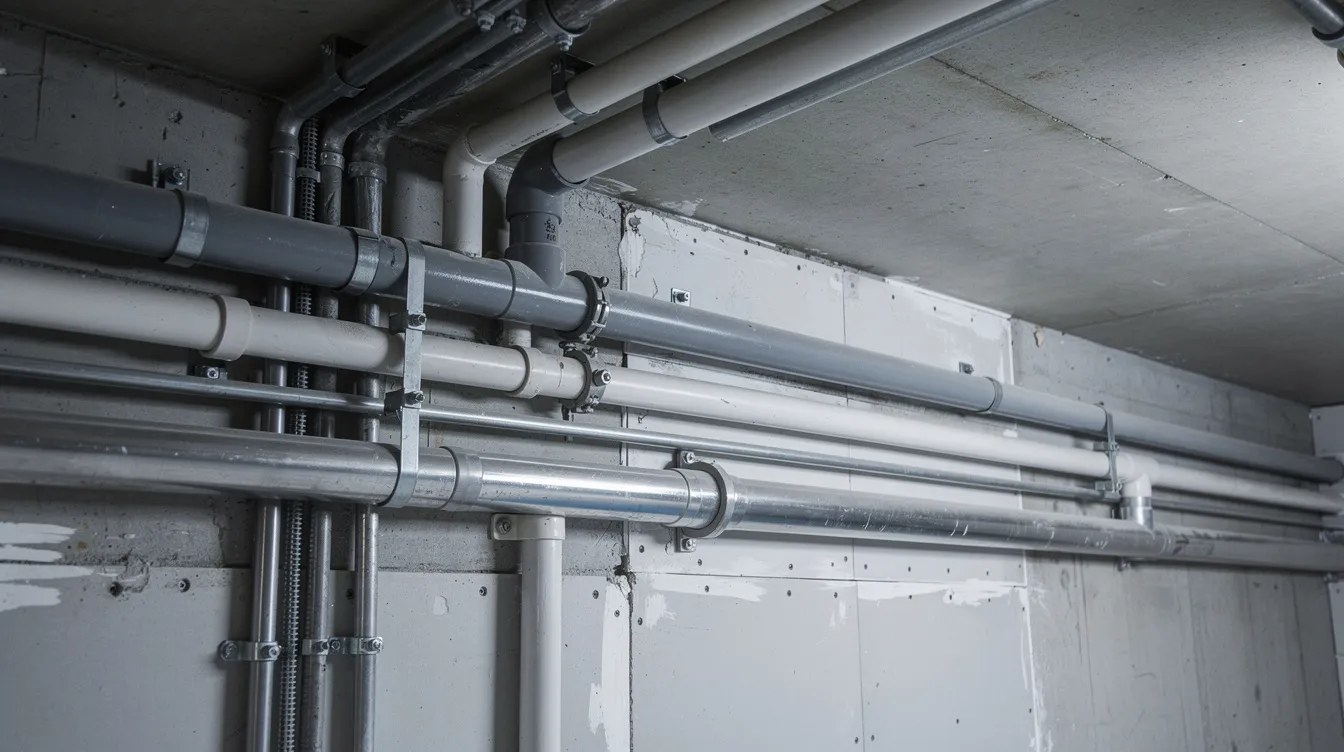
To minimize Legionella growth, eliminate dead legs, sections of piping with little or no flow, that allow water to stagnate. Insulate both hot and cold water pipes to maintain safe temperatures and reduce heat loss. To maintain safe outlet temperatures, install thermostatic mixing valves close to fixtures. These thermostatic mixing valves help prevent scalding and prevent Legionella growth by balancing hot water safety. Installing sampling ports at strategic locations facilitates regular monitoring of water quality and system performance.
Water Management Program for Building Water Systems
Assign a dedicated water management team responsible for developing and implementing a comprehensive Water Management Program (WMP). Set control limits for key parameters such as water temperatures and disinfectant residuals. Document routine procedures, monitoring activities, and corrective actions. Regularly review and update the program to ensure continued effectiveness, including cooling towers, air conditioning equipment, and other systems tied to aerosolized water exposure.
Temperature Control and Flushing to Limit Legionella Growth
Because Legionella can grow at temperatures as low as 68°F, it is critical to store hot water above 140°F (60°C) and maintain circulating temperatures above 120°F (49°C) to inhibit bacterial proliferation. Cold water should be kept below 77°F (25°C) to limit Legionella growth. Flushing low-use water lines and fixtures at least weekly prevents stagnant or standing water, which fosters bacterial growth. Additionally, flushing after water interruptions or extended disuse removes stagnant water and helps maintain water quality. Regular servicing of water heaters and hot water tanks is essential to prevent scale buildup and sediment accumulation, which can promote bacterial growth. Water softeners can assist by reducing scaling conditions that support bacteria.
Maintain Potable Water to Reduce Water Age
Remove or reduce long piping runs that contribute to water age and temperature stratification. Properly size storage tanks to keep clean water moving, reduce stagnation, and avoid temperature gradients that can support bacterial colonization. These measures help maintain water quality and reduce Legionella risk.
Point of Use Filters and Controls
Install point of use filters in high-risk areas to provide immediate protection against contaminated water. Use, maintain, and replace them according to the manufacturer’s instructions to ensure effectiveness. Remove filters before conducting system-wide remediation to avoid damage or contamination.
Cleaning and Routine Maintenance
Regularly clean aerators, showerheads, hoses, and other water system components to prevent biofilm buildup. Cooling towers and similar aerosol-generating devices require proper maintenance to avoid spreading Legionella bacteria. Replace corroded or scaled piping components that can harbor bacteria and reduce system efficiency.
Remediation and Emergency Response
Notify public health authorities immediately when Legionnaires’ disease cases or high Legionella counts are confirmed. If occupant vulnerability or case-related health guidance is unclear, consult a healthcare provider. Activate the WMP’s incident response procedures to address contamination swiftly and effectively.
Indications for Remediation
Trigger remediation efforts after confirmed cases or positive Legionella tests. Evaluate the system infrastructure and sampling data to determine the most appropriate response.
Remediation Options
Select remediation strategies based on system condition and risk factors. Consult water treatment professionals for complex systems to ensure safe and effective treatment.
Chemical Shock Treatments
Follow vendor protocols for chemical shock dosing carefully, using specific options such as chlorine or calcium hypochlorite where appropriate. Periodic biocide treatment may also be used to reduce Legionella growth, including chlorinating water systems to achieve 10 ppm free residual chlorine when specified by treatment professionals or protocols. Verify treatment effectiveness with post-treatment sampling to confirm Legionella reduction.
Thermal Shock (Not Recommended)
Avoid relying solely on thermal shock methods due to their limited effectiveness. Document reasons if thermal measures are attempted as part of remediation.
Physical Cleaning and Component Replacement
Physically descale and clean tanks and fixtures to remove biofilm. Replace heavily fouled or damaged components to restore system integrity.
Work with Public Health and Regulations
Report suspected outbreaks to public health authorities promptly. Comply with local regulations and guidance documents related to Legionella control. Coordinate remediation efforts with regulatory inspectors to ensure compliance and safety.
Ensuring Safe Water Systems to Prevent Legionella
Preventing Legionella growth in building water systems requires a proactive approach focused on maintaining safe water temperatures, reducing stagnation, and implementing a robust water management program. Regular program reviews and coordination among stakeholders are essential to protect building occupants and minimize the risk of Legionnaires’ disease. Contact our team today for legionella testing services and expert advice on legionella control.
Frequently Asked Questions (FAQs)
What is Legionella and how does it affect health?
Legionella is a type of bacteria that grows in warm water environments and can cause Legionnaires’ disease, a serious form of pneumonia, or a milder illness called Pontiac fever. Infection occurs primarily through inhaling small droplets of contaminated water. People with weakened immune systems, older adults, and those with chronic lung conditions are at higher risk.
What are the most likely sources of Legionella in building water systems?
Common sources include hot water tanks, cooling towers, decorative fountains, shower heads, and hot tubs that are not properly maintained. Stagnant water and biofilm buildup in plumbing systems also create ideal conditions for Legionella growth.
How can water temperature control prevent Legionella growth?
Legionella thrives in water temperatures between 68°F and 122°F. Storing hot water above 140°F and maintaining circulating hot water above 120°F inhibits growth. Cold water should be kept below 77°F to limit bacterial proliferation. Installing thermostatic mixing valves helps maintain safe outlet temperatures while preventing scalding.
Why is flushing important in preventing Legionella infection?
Flushing removes stagnant water that fosters Legionella growth. Regularly flushing low-use fixtures and piping at least weekly prevents water from standing for an extended period, reducing the risk of bacterial colonization.
How does a Water Management Program help in preventing Legionnaires disease?
A comprehensive Water Management Program assigns responsibility, sets control limits, monitors water quality, and documents maintenance activities. This proactive approach ensures operating conditions are maintained to minimize Legionella growth and exposure.
Can point-of-use filters protect against Legionella?
Yes, point-of-use filters installed at faucets or shower heads can provide immediate protection by filtering out bacteria. However, they only protect the connected fixture and must be maintained and replaced according to the manufacturer’s recommendations.
What role does the health department play in Legionella prevention?
Health departments monitor Legionella outbreaks, provide guidance on prevention and remediation, and may require reporting of confirmed cases. They ensure compliance with local regulations and support public health interventions.
Is thermal shock an effective method to control Legionella?
Thermal shock is generally not recommended as a routine control strategy because it often fails and Legionella can rapidly recolonize. Chemical disinfection and maintaining proper operating conditions are preferred.
How can plumbing work impact Legionella risk?
Improper plumbing work can create dead legs or low-flow areas where water stagnates, promoting Legionella growth. Following manufacturer’s recommendations and proper design principles minimizes these risks.
What precautions should be taken with hot tubs?
Hot tubs can generate small droplets that spread Legionella if not properly maintained. Regular testing and disinfection, following manufacturer’s guidelines, and limiting use by high-risk individuals help prevent legionella infection.
