
Pipeline corrosion protection is a critical concern when aiming to reduce leaks, ensure regulatory compliance, and extend the service life of pipeline systems. This article provides an overview of corrosion protection methods tailored to the unique challenges faced in water environments, emphasizing a layered approach to corrosion management.
Key Takeaways
- Effective pipeline corrosion protection requires integrating multiple defense strategies tailored to specific environmental conditions.
- Regular evaluation of water chemistry and soil characteristics informs targeted corrosion prevention measures.
- Combining coating systems with cathodic protection optimizes pipeline longevity and safety.
- Advanced monitoring tools, including corrosion coupons and inline inspection technologies, enable proactive maintenance.
- Collaboration across industries can enhance corrosion management practices through shared knowledge and innovations.
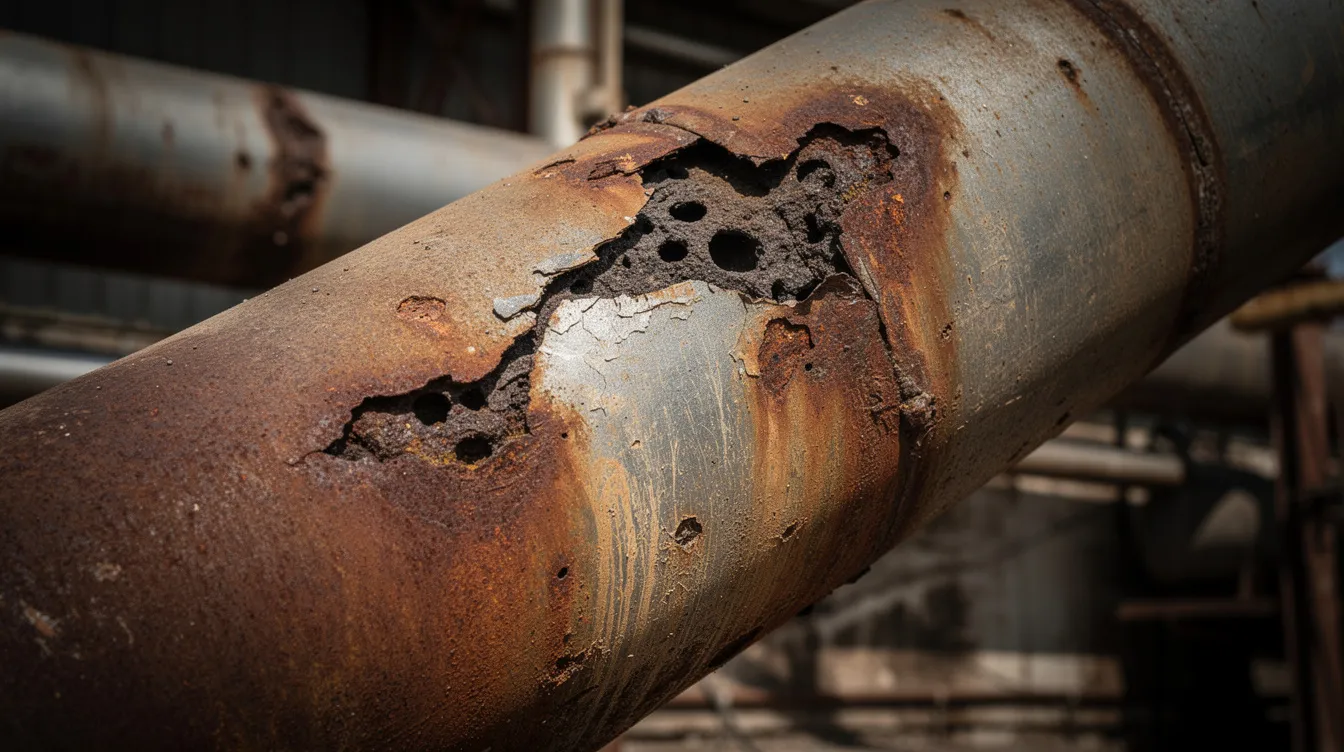
Corrosion Protection and Corrosion Management
Water chemistry significantly influences pipeline corrosion risks. Factors such as pH, dissolved oxygen, and mineral content can accelerate electrochemical reactions on the metal surface, leading to pipe corrosion in a given environment. To effectively protect pipelines, a multifaceted approach combining coatings, cathodic protection, corrosion inhibitors, and regular monitoring is essential. Understanding key terms like electrochemical cell, cathodic protection, corrosion coupons, and the corrosive environment will aid in implementing robust corrosion management programs.
External Corrosion Risks in Water and Soil Environments
External corrosion primarily arises from environmental factors such as soil resistivity, moisture content, and other environmental conditions, with above-ground assets also exposed to atmospheric corrosion alongside water and soil-related risks. Areas near water treatment facilities often present hotspots where buried pipelines are at greater risk due to conductive soils and fluctuating moisture levels. Understanding the corrosive environment around each pipeline section helps prioritize protection and inspection. Prioritizing inspections in these sections helps detect early corrosion and prevent pipeline failures.
Internal Corrosion Drivers in Water Systems
Inside pipelines, constituents like dissolved oxygen, carbon dioxide, and microbial activity accelerate corrosion. Flow velocity and temperature also impact corrosion rates by influencing electrochemical reactions. Regular sampling and testing of water chemistry are recommended to monitor these parameters and adjust protection strategies accordingly.
Coating System Selection for Pipelines
Choosing the right coating system and material selection is crucial for protecting buried and submerged pipes, and using corrosion resistant materials can improve service life. Fusion bonded epoxy coatings are commonly used for underground steel pipes, while polyethylene and polyurethane are also common coating systems that serve as protective coatings for steel pipes. In some cases, other coatings such as abrasion-resistant overcoats protect fusion bonded epoxy from damage. Inspection intervals should be scheduled regularly to assess coating integrity, with field-applied coatings reserved for repairs and factory-applied coatings for new installations. The RD-6 coating system has been used for over 30 years as an established option for external coatings.
Cathodic Protection and Cathodic Protection Systems
A CP system uses an electrochemical process that applies electrical current to prevent corrosion by making the pipeline the cathode of an electrochemical cell. CP systems consist of anodes, rectifiers, and test stations. Cathodic protection is required by law for buried pipelines. Periodic checks of rectifier output and anode condition are vital and should be integrated into routine asset-management schedules to maintain pipeline integrity. Monitoring verifies current flowing through the system remains within acceptable ranges.
Impressed Current and Sacrificial Anode Cathodic Protection Approaches
Impressed current cathodic protection systems use an external power source to supply electrical current, offering adjustable and long-lasting protection. In contrast, systems using sacrificial anodes rely on more reactive metals that corrode instead of the pipeline material to protect the protected structure, requiring less maintenance but limited current output. These anodes donate free electrons to the pipeline surface to reduce oxidation. Understanding the maintenance needs of each system helps optimize corrosion prevention efforts.
Corrosion Detection Techniques and Corrosion Coupons
Pipeline corrosion detection uses non-destructive testing (NDT) methods such as ultrasonic testing and magnetic flux leakage to provide valuable insights into pipeline conditions without causing damage. Visual inspection and manual inspections can identify obvious surface damage, but they are more limited than instrumented methods. Corrosion coupons, installed at representative locations, offer direct measurement of corrosion rates, while electrochemical probes enable continuous monitoring. Proper placement and regular retrieval of coupons, along with probe calibration, support accurate data collection for early detection.
Inline Inspection, Smart Pigging, and NDT
Smart pigging campaigns should be prioritized based on pipeline segment risk profiles. These smart pigs traverse the pipeline interior, detecting metal loss, cracks, and other anomalies. Complementing smart pigging with targeted NDT methods like radiographic testing enhances detection accuracy. Post-inspection data reviews facilitate informed decision-making for maintenance and repairs, helping detect corrosion before anomalies develop into larger defects.
Monitoring Data Practices for Effective Corrosion Management
Centralizing corrosion data in a dedicated repository allows for comprehensive analysis and trend tracking. Key performance indicators (KPIs) such as corrosion rate and coating condition help identify emerging issues. Regular data reviews trigger timely interventions, supporting proactive corrosion management.
Corrosion Prevention Program Design and Maintenance
Developing a multi-layered corrosion prevention plan involves assigning clear maintenance roles and establishing escalation pathways for issues. Approximately 18% of pipeline incidents are caused by corrosion, which makes a structured prevention program essential. Lifecycle replacement schedules, regular inspection routines, and remediation plans should be documented within asset-management systems. This ensures application of protection measures and facilitating regulatory compliance.
Practical Action Checklist for Water Treatment Specialists
To establish a strong corrosion management program, water treatment specialists should focus on the following key actions:
- Conduct a baseline water chemistry audit to understand corrosive factors.
- Repair coating holidays promptly to prevent localized corrosion.
- Deploy corrosion coupons in high-risk zones for accurate corrosion rate measurement.
- Commission thorough cathodic protection system testing to ensure effective operation.
These steps provide a foundational approach to effective pipeline corrosion protection.
Relevance to the Gas Industry and Cross-Sector Lessons
While water systems face unique corrosion drivers, lessons from the oil and gas industry—especially for oil and gas pipelines and gas pipelines, such as cathodic protection best practices and advanced coating technologies—can be adapted to enhance water pipeline protection strategies. Effective corrosion management protects not only assets and the environment but also local communities.
Emerging Trends: Sensors, Materials, and Analytics
Innovations like fiber-optic and IoT sensors are among the modern technologies enabling real-time corrosion detection, while advanced coatings and corrosion-resistant alloys improve pipeline durability. These tools play a crucial role in early risk identification and preserving structural integrity. Predictive analytics applied to corrosion monitoring data in many industries offer promising avenues for improving maintenance planning and mitigating corrosion risks.
Final Recommendations for Pipeline Corrosion Protection
Reducing corrosion risks requires immediate action through water chemistry audits, coating maintenance, corrosion monitoring, and cathodic protection evaluation. Implementing these measures ensures the reliability and safety of the entire water system. For comprehensive support in managing water quality and system performance, consider partnering with experienced water treatment specialists who can provide tailored solutions to meet your operational needs. Contact our team for expert guidance in designing and implementing effective water treatment programs.
Frequently Asked Questions (FAQs)
What causes pipeline corrosion in water environments?
Pipeline corrosion in water environments is primarily caused by electrochemical reactions between the metallic structure and elements such as dissolved oxygen, carbon dioxide, and minerals in the water. Factors like pH, temperature, flow velocity, and microbial activity also influence corrosion rates.
How does cathodic protection prevent pipeline corrosion?
Cathodic protection prevents corrosion by applying electrical current to make the pipeline surface cathodic, thereby reducing oxidation. It uses either sacrificial anodes that corrode instead of the pipeline or impressed current systems powered by an external source to maintain protective current flow.
What are common coating systems used for pipeline corrosion protection?
Common coating systems include fusion-bonded epoxy (FBE), polyethylene, polyurethane, and abrasion-resistant overcoats. These coatings serve as physical barriers isolating the pipeline from corrosive environments and are often combined with cathodic protection for enhanced effectiveness.
How do corrosion coupons and electrochemical probes aid in corrosion monitoring?
Corrosion coupons provide direct measurements of corrosion rates by exposing metal samples to pipeline conditions for analysis. Electrochemical probes offer continuous, real-time data on corrosion activity, enabling timely detection and response to corrosion threats.
What is stress corrosion cracking and how does it affect pipelines?
Stress corrosion cracking (SCC) occurs when tensile stress combines with a corrosive environment, causing cracks that can weaken the pipeline material. Protective coatings like the RD-6 system help prevent SCC by providing durable barriers against such environmental factors.
Why is regular inspection and maintenance important for pipeline corrosion protection?
Regular inspection ensures coating integrity, cathodic protection effectiveness, and early detection of corrosion or coating holidays. Maintenance activities, including repairing coating damage and replacing sacrificial anodes, help sustain long-term pipeline integrity.
Can pipeline corrosion be completely eliminated?
While complete elimination of corrosion is challenging, a multi-layered approach using coatings, cathodic protection, corrosion inhibitors, and monitoring can significantly reduce corrosion risks and extend pipeline service life.
How do new technologies like gamma rays and smart pigging improve corrosion detection?
Gamma rays can be used in radiographic testing to detect internal defects and corrosion without damaging the pipeline. Smart pigging employs intelligent devices that travel inside pipelines, providing detailed data on metal loss, cracks, and anomalies for precise corrosion assessment.
