
Cooling towers are essential components in many industrial and HVAC systems. They play a critical role in dissipating heat from circulating water. At the heart of this process is the cooling tower fill media, a key component designed to maximize the contact between water and air. This enhances heat transfer and evaporation. This article explores the various types of cooling tower fill, their materials, design considerations, maintenance practices, and how to optimize cooling tower performance through proper fill selection and upkeep.
Key Takeaways
- Cooling tower fill media significantly boosts heat transfer by expanding the interface between water and air.
- Choosing the appropriate fill type depends on water cleanliness, temperature conditions, and system requirements.
- Regular maintenance and timely cleaning are essential to preserve fill performance and avoid costly replacements.
- Material selection impacts durability and resistance to fouling, influencing long-term operational costs.
- Integrating water treatment strategies with fill management enhances overall cooling system efficiency and sustainability.
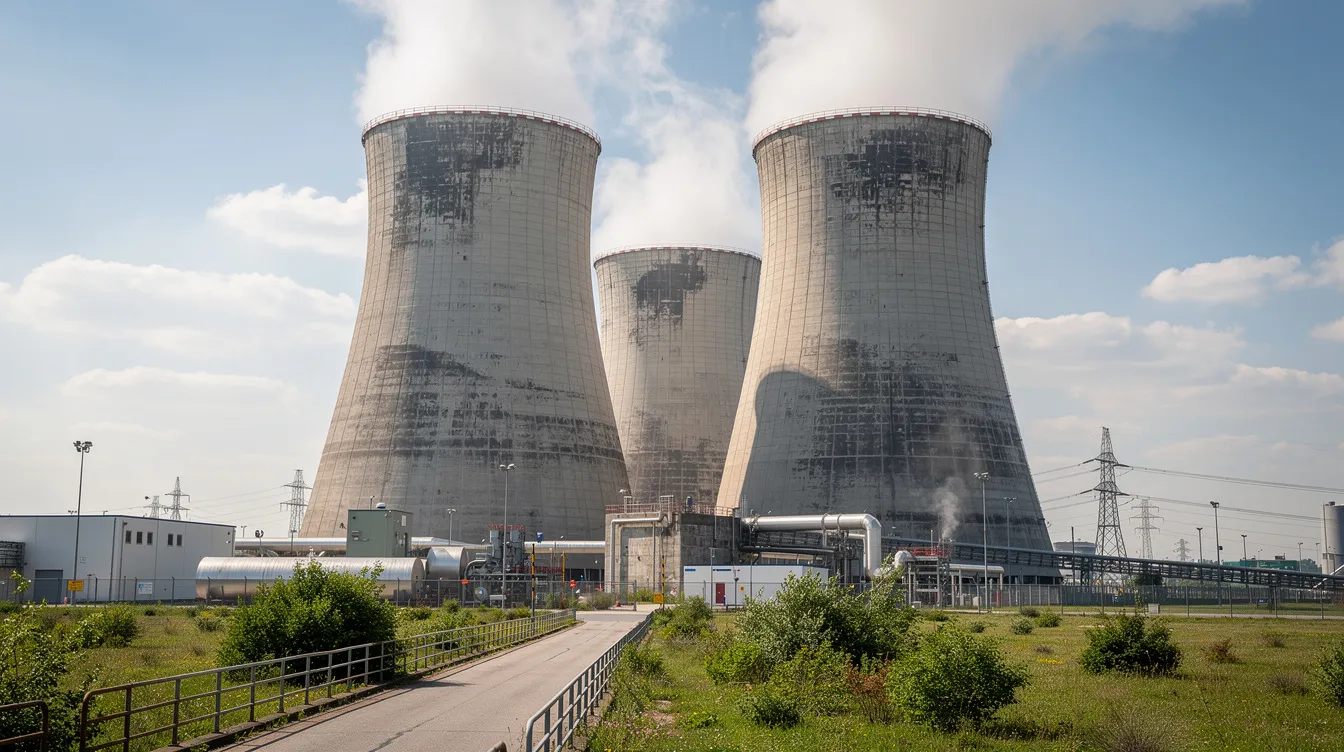
Cooling Towers and Heat Transfer Principles
Evaporative cooling is the fundamental principle behind cooling towers. Here, transferring heat to air cools warm water. As water flows over the fill media, it forms thin films or droplets that increase the surface area exposed to the air. This enhanced water-air contact accelerates heat dissipation through evaporation, which is vital for efficient cooling. The effectiveness of this heat exchange process largely depends on the design and condition of the fill media.
Fill Media Main Types: Film Fill, Splash Fill, Hybrid
Cooling tower fill media primarily falls into three categories: film fill, splash fill, and hybrid fill. The two main types traditionally used in cooling towers are film fill and splash fill. Each type offers distinct advantages and is suited to specific water qualities and operating conditions.
Film fill consists of thin PVC sheets that spread water into a thin film, accelerating the cooling process by increasing the amount of water exposed to air and heat transfer efficiency. Splash fill breaks water into small droplets using horizontal bars, making it more robust against dirty or high-solid waters. This surface area expansion can multiply available surface area by hundreds of times, improving cooling tower’s performance and lowering energy demand across the system. Hybrid fill combines both film and splash designs, offering a balance between efficiency and durability. It’s particularly useful in applications with varying water quality.
Film Fill Characteristics and Applications
Film fill is typically constructed from thin PVC sheets arranged in patterns called channels or flutes. This increases the water exposed to air and supports the cooling process by enhancing heat transfer. However, film fill is more susceptible to fouling and clogging, especially in systems with dirty water. Cleaning approaches for film fill often involve chemical treatments and regular inspections to maintain the system and protect the cooling tower’s performance while reducing wasted energy.
Splash Fill Characteristics and Applications
Splash fill is made up of horizontal bars or slats that cause water to break into more droplets, increasing evaporation. Materials commonly used include PVC and polypropylene, chosen as durable materials for such conditions and for resistance to chemical exposure. Splash fill is ideal for dirty or high-solid waters because its open structure helps shed debris, prevents clogging, and reduces maintenance needs. This makes it suitable for industrial applications with challenging water conditions.
Hybrid Fill Designs and Selection Criteria
Hybrid fill designs incorporate elements of both film and splash fills to leverage the benefits of each, with splash sections creating more droplets for stronger water-air contact in the cooling process. These configurations are selected when several factors call for a balance between efficient heat transfer and resistance to fouling. While hybrid fills may require more maintenance than splash fills, they can provide higher cooling efficiency in systems with moderately clean water. Their more open structure can also handle debris better in dirty-water applications.
Materials for Fill Media: Polyvinyl Chloride and Alternatives
Polyvinyl chloride (PVC) is the most common material used for cooling tower fill because it is cost effective, durable, and resistant to chemical treatments in the broader system. Polypropylene (PP) serves as an alternative, especially in high-temperature environments. Hybrid configurations are selected based on several factors. These include the the need to balance efficient heat transfer with fouling resistance in cooling systems. For extreme conditions, materials like stainless steel or ceramics may be employed, providing enhanced durability and longevity but at a higher cost, while some splash designs also rely on durable materials.
Fill Design, Air Contact, and Heat Exchange Performance
The geometry of the fill media, including flute design and spacing, makes PVC a cost-effective choice for cooling tower fill because it affects air contact, heat transfer rates, and the cooling tower’s performance. Flutes or patterns called channels guide water flow for even distribution, increasing the residence time and surface area exposed to air. This improves the cooling process within the system.
Polypropylene is also used in cooling towers for harsher cooling systems where chemical resistance matters. High-Density Polyethylene (HDPE) offers unmatched durability and UV stability. Deeper fills and larger surface areas generally improve performance, helping lower energy demand and reduce water loss, but may increase fouling risks. Design modifications such as controlled turbulence and staggered waveforms help reduce stagnant zones and fouling, promoting consistent performance and higher cooling efficiency. Metrics like heat transfer coefficients and pressure drop measurements, including testing aligned with cooling technology institute standards, are used to quantify fill efficiency.
Selection Guide: Fill Types, Water Quality, and Main Types Sizing
Selecting the right cooling tower fill starts with assessing water quality, including solids content and cycles of concentration in cooling systems. Splash fill is preferred for water with higher solids or dirty conditions, while film fill suits clean water applications aiming for higher heat transfer efficiency. The channel geometry also promotes even distribution of water and air through the fill, a design commonly used in cooling towers.
Proper sizing of fill media depends on the required cooling load and tower design, considering air flow patterns such as counterflow or crossflow and several factors that affect the overall system and the cooling tower’s performance. Well-designed, high-efficiency fills can reduce water loss through optimized evaporation and lower energy use. It is also important to allow for potential future changes in water chemistry and operational conditions, as the Cooling Technology Institute standards can help evaluate options for such conditions and maintain tower performance over time.
Installation, Inspection, and Routine Maintenance of Fill Media
Correct installation of fill media ensures even water distribution and prevents air short-circuiting, which can reduce cooling efficiency. Periodic inspections should be scheduled to detect fouling, physical damage, or clogging early. Cleaning intervals depend on observed fouling trends and water quality. Handling PVC packs requires care due to their brittle nature, especially during maintenance or replacement activities.
Cleaning and Remediation Methods (Chemical and Mechanical)
Deciding between cleaning and replacement involves evaluating fouling severity, foulant type, and environmental considerations. It is best to start with the least aggressive cleaning methods to preserve fill integrity.
Acid and Surfactant Cleaning for Mineral Scales
Acid cleaning, using agents like sulfuric or organic acids, targets calcite and silica deposits by lowering pH to dissolve mineral scales. Surfactants aid in loosening deposits, but planning for blowdown treatment of spent solutions is essential to comply with environmental regulations.
Oxidizing Cleaners for Microbial and Organic Fouling
Hydrogen peroxide is an effective oxidizing cleaner for biofilms and organic deposits, typically applied at concentrations between 500 and 3,000 ppm. Halogen-based treatments require caution due to corrosion risks and the need for dechlorination before discharge. Dispersants help keep removed solids suspended for easier removal.
Mechanical and Offline Cleaning Techniques
Mechanical cleaning can be performed in situ using safe methods to dislodge scale without damaging the fill. Offline foam acid cleaning is suitable for smaller towers or severe fouling, allowing controlled application of cleaning agents.
Cooling Tower Fill Replacement
Replacement is necessary when fouling severely impairs performance or fill integrity is compromised. Pre-replacement inspections should assess fouling extent and structural damage. A replacement plan includes safely removing old fill, installing new media according to manufacturer specifications, and validating performance through temperature and pressure tests post-installation.
Monitoring, Water Treatment Integration, and Troubleshooting
Integrating water treatment data with fill performance monitoring allows early detection of issues in cooling systems such as pressure drops or heat transfer loss. Cooling tower fill is commonly replaced every 3–7 years, depending on fouling, water quality, and operating demands. Setting alarm thresholds helps prompt timely maintenance and protect the overall system. Debris, biofilm formation, chemical degradation, and resulting water loss are common problems. They are addressed through adjustments in water chemistry and maintenance schedules.
Conclusion and Action Plan
Cooling tower fill plays a critical role in achieving efficient heat transfer and maintaining tower performance. Selecting the right type and material of fill, combined with diligent maintenance and water treatment integration, ensures consistent performance and lower operational costs. Prioritize regular inspections, appropriate cleaning methods, and timely replacement to enhance cooling efficiency. For tailored solutions and expert support, contact our team to optimize your cooling tower operations and extend the service life of your fill media.
Frequently Asked Questions (FAQs)
What is the primary function of cooling tower fill?
The primary function of cooling tower fill is to increase the surface area for water and air contact, enhancing heat transfer and evaporation to improve cooling efficiency.
How do film fill and splash fill differ?
Film fill consists of thin sheets that spread water into a film for maximum heat transfer, best suited for clean water. Splash fill uses horizontal bars to break water into droplets, making it more durable and effective for dirty or high-solid water.
How often is a cooling tower fill replaced?
Cooling tower fill typically requires replacement every 3 to 7 years, depending on water quality, fouling severity, and maintenance practices.
What materials are commonly used for cooling tower fill?
PVC is the most common fill material due to its durability and cost-effectiveness. Alternatives include polypropylene for high-temperature environments and stainless steel for specialized applications.
How is cooling tower fill fouling prevented or managed?
Regular inspections, proper water treatment, and timely cleaning using chemical agents like hydrogen peroxide or acid cleaners help prevent and manage fouling to maintain cooling efficiency.
When is chemical cleaning preferred over fill replacement?
Chemical cleaning is suitable for early to moderate fouling stages, especially when deposits are removable without damaging the fill. Severe fouling or structural damage typically requires fill replacement.
What factors influence the choice between splash fill, film fill, and hybrid fill?
Water quality, temperature, fouling potential, and desired cooling efficiency guide the selection. Splash fill is preferred for dirty water, film fill for clean water and higher efficiency, and hybrid fill balances both needs.
