
Water engineering is the foundation of how modern industrial systems manage water supply, treatment, and reuse. While the term often sounds academic, water engineering in practice is what allows facilities to maintain reliable operations, protect equipment, and meet regulatory standards.
For operators, water engineering is not about theory. It is about how water moves, how it is treated, and how systems are designed to maintain performance under changing conditions. Whether in water treatment plants, cooling systems, or wastewater management processes, water engineering plays a crucial role in keeping systems stable and efficient.
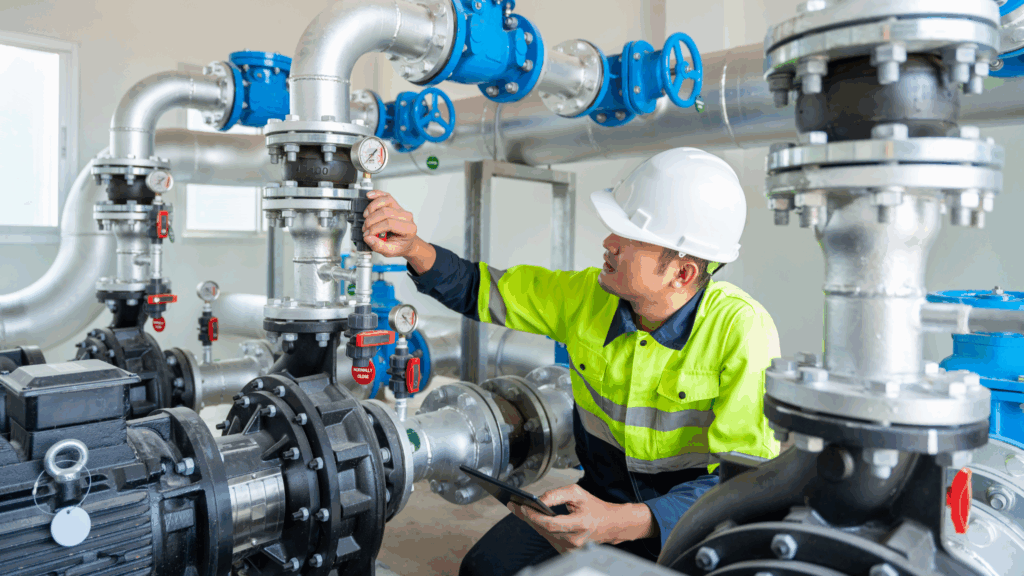
What Water Engineering Means in Industrial Systems
Water engineering combines civil engineering, environmental science, and fluid mechanics to design and operate water systems. In industrial settings, this includes:
- Water supply systems that deliver consistent flow
- Water treatment systems that remove contaminants
- Wastewater engineering processes that manage discharge and reuse
Water engineers work across multidisciplinary teams to design systems that handle water from intake to discharge. This includes water distribution networks, pumping stations, and treatment facilities.
Why Water Engineering Matters to Operators
Water engineering directly impacts day-to-day operations in industrial facilities. Poor design or lack of control leads to:
- Inconsistent water quality
- Equipment fouling and corrosion
- Increased maintenance and operating costs
Effective water engineering ensures that systems operate within design parameters, maintain water quality, and support continuous supply for industrial processes.
Core Components of Water Engineering Systems
Industrial water systems are built around several key components.
| Component | Function | Operational Impact |
|---|---|---|
| Water supply systems | Deliver raw water to facility | Ensures continuous flow |
| Water treatment facilities | Remove contaminants | Maintains water quality |
| Distribution networks | Move water across systems | Supports system reliability |
| Pumping stations | Maintain pressure and flow | Prevents system disruption |
Each component must be designed and maintained properly to ensure overall system performance.
Water Engineering in Treatment Processes
Water engineering is closely tied to water treatment processes. Facilities rely on engineered systems to remove contaminants and produce clean water for industrial use.
Common treatment methods include:
- Filtration to remove suspended solids
- Chemical treatment to adjust water chemistry
- Membrane systems such as reverse osmosis to remove dissolved contaminants
For example, advanced systems like reverse osmosis water treatment are widely used to produce high quality water in industrial applications.
Wastewater Engineering and Management
Industrial facilities generate wastewater that must be treated before discharge or reuse. Wastewater engineering focuses on designing treatment processes that handle varying waste streams.
Key aspects include:
- Removal of organic and inorganic pollutants
- Management of wastewater flow and load
- Compliance with regulatory standards
Effective wastewater management protects public health and reduces environmental impact.
Hydraulic Design and Flow Control
Water engineering relies heavily on hydraulic design. Understanding how water flows through pipes, pumps, and systems is essential for maintaining performance.
Poor hydraulic design can lead to:
- Uneven distribution across systems
- Pressure drops and inefficiencies
- Increased wear on equipment
Proper design ensures consistent flow and stable operation.
Environmental and Sustainability Considerations
Water engineering also addresses environmental concerns. Industrial facilities must manage water resources responsibly while meeting operational needs.
This includes:
- Water conservation strategies
- Reduction of water pollution
- Integration of reuse systems
As population growth and climate change impact water availability, sustainable water management becomes increasingly important.
Role of Water Engineers in Industrial Projects
Water engineers contribute to every stage of system development.
- Design and construction of new systems
- Evaluation of existing infrastructure
- Site visits and performance assessments
- Implementation of treatment technologies
Their technical expertise ensures that systems meet both operational and regulatory requirements.
Integration with Water Treatment Programs
Water engineering and water treatment must work together. Engineering defines how systems operate, while treatment ensures water quality remains within acceptable limits.
For example, facilities that integrate cooling tower water treatment into system design improve long-term performance and reduce operational issues.
Common Challenges in Water Engineering
Industrial facilities often encounter challenges related to system design and operation.
- Variability in water sources
- Changing wastewater characteristics
- Aging infrastructure
- Increasing regulatory requirements
Addressing these challenges requires continuous monitoring and system optimization.
Best Practices for Effective Water Engineering
Facilities that maintain strong water engineering practices focus on:
- Regular inspection and maintenance of systems
- Monitoring water quality and flow conditions
- Updating systems to meet new demands
These practices ensure reliable operation and support long-term system performance.
Frequently Asked Questions
What is water engineering
Water engineering is the design and management of systems that handle water supply, treatment, and distribution.
Why is water engineering important in industrial systems
It ensures system reliability, maintains water quality, and supports efficient operations.
What do water engineers do
Water engineers design systems, manage projects, and ensure proper system performance.
How does water engineering relate to water treatment
Water engineering defines system design, while water treatment manages water quality.
What are common water engineering challenges
Challenges include system design issues, changing water quality, and regulatory requirements.
Strengthen Your Water Engineering Approach
Water engineering plays a crucial role in industrial systems, supporting everything from water supply to wastewater management. Facilities that invest in strong engineering practices see improved reliability, efficiency, and compliance.
If your facility is evaluating water systems or planning upgrades, contact our team today to review your approach and identify opportunities for improvement.
