
Cooling tower cleaning is one of the most important maintenance activities for keeping cooling systems operating efficiently and safely. Most operators understand that cooling towers are exposed to air, water, and debris, but what is often underestimated is how quickly a cooling tower can accumulate contaminants that impact performance.
Over time, dirt, debris, scale, and biological growth build up throughout the entire cooling tower. If not addressed through proper tower cleaning, these deposits reduce heat transfer, restrict water flow, and create conditions for bacteria such as legionella bacteria to develop.
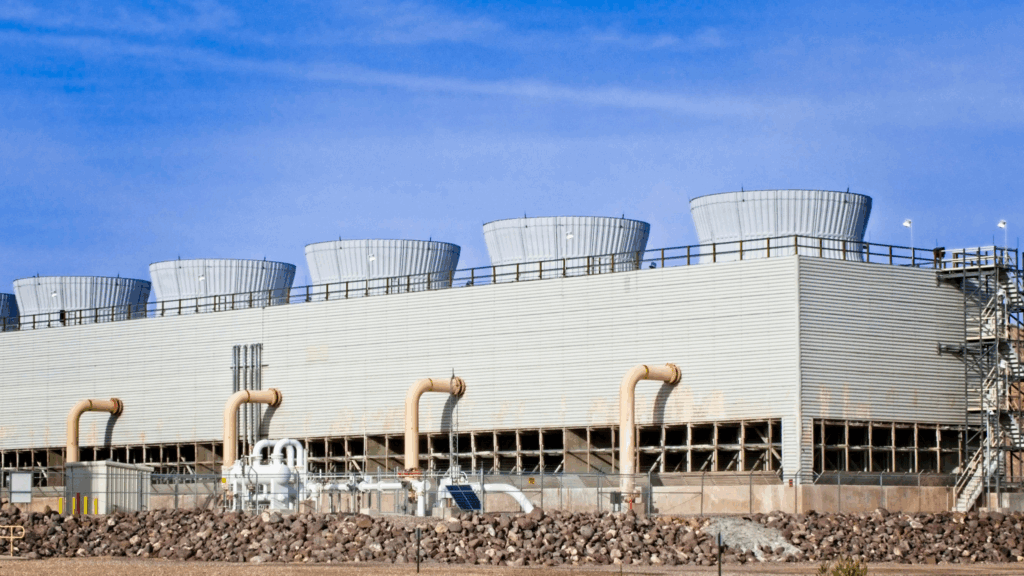
Why Cooling Tower Cleaning Matters
Cooling tower cleaning directly impacts system performance, safety, and operating costs.
When cooling towers are not cleaned regularly, operators begin to see:
- Reduced heat transfer efficiency
- Increased energy consumption
- Restricted water flow through nozzles and piping
- Higher chemical demand for water treatment
Dirty cooling towers also increase the risk of microbial growth, including bacteria that can lead to legionnaires disease or pontiac fever in certain environments.
Maintaining a clean cooling tower is not just about appearance. It is about protecting equipment and ensuring reliable operation.
Where Contaminants Build Up
Cooling towers continuously pull in air from the atmosphere. This air carries:
- Dust and dirt
- Sand and debris
- Organic material
These contaminants settle throughout the system, especially in key areas.
Tower Basin and Sump
The tower basin collects water and is one of the primary locations where debris accumulates. Over time, sediment and deposits build up in the basin and sump, creating stagnant areas where bacteria and algae can grow.
Fill and Heat Transfer Surfaces
Cooling tower fill is designed to maximize heat transfer. When scale and deposits form on fill surfaces, heat transfer efficiency drops significantly.
Nozzles and Distribution System
Nozzles distribute spray water across the tower. When debris or scale blocks nozzles, water distribution becomes uneven, reducing cooling performance.
Drift Eliminators
Drift eliminators help control water loss. When clogged with dirt or biological growth, they reduce airflow and impact overall system efficiency.
Common Causes of Dirty Cooling Towers
Cooling tower cleaning is required because of several ongoing factors.
| Cause | Impact |
|---|---|
| Airborne debris | Accumulates in basin and fill |
| Scale formation | Reduces heat transfer |
| Biological growth | Leads to bacteria and algae buildup |
| Poor filtration | Allows particles to circulate |
These conditions develop continuously, which is why regular cleaning is necessary.
Cooling Tower Cleaning Methods
Manual Cleaning and Inspection
Manual cleaning involves shutting down the system and physically removing debris and buildup.
This includes:
- Draining the cooling tower
- Cleaning the tower basin and sump
- Removing dirt and deposits from components
Manual cleaning provides a thorough inspection of equipment condition.
Chemical Cleaning and Disinfection
Chemical cleaning uses cleaning agents and disinfectants to break down scale, biological growth, and organic material.
This process typically includes:
- Applying chemical solutions to dissolve deposits
- Disinfecting to control bacteria and microorganisms
- Rinsing and flushing the system
Chemical cleaning is essential for removing biofilm and preventing microbial growth.
High Flow Flushing and Filtration
Flushing the system with high flow helps remove suspended debris and contaminants.
Filtration systems can be installed to continuously remove particles from cooling water, reducing buildup between cleaning cycles.
For system-level improvements, see how cooling tower filtration helps maintain clean operation.
Step-by-Step Cooling Tower Cleaning Process
A typical cooling tower cleaning process follows structured steps.
- Shut down the cooling system
- Drain the tower basin
- Remove debris and sediment
- Apply cleaning and disinfection chemicals
- Flush the system with clean water
- Refill and return to operation
Each step is critical for ensuring the entire cooling tower is properly cleaned.
Preventing Biological Growth and Legionella Risk
Cooling towers create conditions where bacteria can thrive. Warm water, nutrients, and airflow support microbial growth.
Proper cooling tower cleaning helps:
- Remove bacterial nutrient sources
- Reduce biofilm formation
- Control legionella bacteria
For facilities managing biological risk, maintaining consistent cleaning and water treatment programs is essential.
Integration with Water Treatment Programs
Cooling tower cleaning should not be treated as a standalone activity. It must be integrated with water treatment.
Water treatment helps:
- Prevent scale formation
- Control corrosion
- Reduce biological growth
See how cooling tower water treatment supports long-term system performance.
Maintenance and Cleaning Frequency
The frequency of cooling tower cleaning depends on system conditions.
Factors include:
- Water quality and contamination levels
- Environmental conditions
- Cooling system load
Most facilities perform cleaning on a regular basis, often seasonally or based on inspection results.
Routine maintenance helps prevent excessive buildup and reduces the need for intensive cleaning.
Impact on Efficiency and Operating Costs
Cooling tower cleaning directly affects efficiency.
- Clean surfaces improve heat transfer
- Proper water flow reduces energy consumption
- Reduced buildup lowers chemical costs
Facilities that maintain clean cooling towers operate more efficiently and avoid unnecessary expenses.
Common Mistakes in Cooling Tower Cleaning
Operators often encounter issues due to improper cleaning practices.
- Incomplete cleaning of the tower basin
- Ignoring clogged nozzles and drift eliminators
- Skipping disinfection steps
- Lack of follow-up water treatment
These mistakes reduce the effectiveness of cleaning and allow problems to return quickly.
Best Practices for Cooling Tower Cleaning
Facilities that maintain reliable cooling systems follow consistent practices.
- Inspect towers regularly
- Remove debris before buildup becomes severe
- Use proper cleaning and disinfection methods
- Maintain filtration systems
These practices help maintain performance and extend equipment life.
Frequently Asked Questions
Why is cooling tower cleaning important
It improves heat transfer, reduces contamination, and maintains system efficiency.
How often should cooling towers be cleaned
Cleaning frequency depends on system conditions but is typically performed on a regular basis.
What happens if cooling towers are not cleaned
Deposits, scale, and biological growth reduce performance and increase risk.
Does cleaning remove bacteria
Cleaning combined with disinfection helps control bacteria and microbial growth.
Can filtration reduce cleaning frequency
Yes, filtration helps remove debris and reduce buildup between cleaning cycles.
Keep Your Cooling Towers Clean and Efficient
Cooling tower cleaning is essential for maintaining performance, safety, and efficiency. Systems that are properly cleaned and maintained operate more reliably and require fewer repairs.
If your facility needs support with cooling tower cleaning or system maintenance, contact our team today to review your cooling system and identify the right approach.
