
pH control is one of the most important aspects of industrial water treatment, yet it is often treated as a simple number instead of a dynamic control process. In reality, pH control determines how water behaves in a system, how chemicals react, and whether equipment operates efficiently or fails over time.
For operators, pH is not just a measurement on a meter. It is a direct indicator of hydrogen ion concentration, chemical balance, and system stability. When pH levels drift outside the ideal range, scaling, corrosion, and treatment inefficiencies begin to develop.
What pH Actually Represents in Water Systems
The pH scale is a numerical value that represents the hydrogen ion concentration in an aqueous solution. It is based on the negative logarithm of hydrogen ions present in water.
- Low pH indicates acidic water with higher hydrogen ion concentration
- High pH indicates alkaline water with higher hydroxide ions
In industrial systems, maintaining pH within a specific range is critical because even small changes can significantly impact chemical reactions and system performance.
Why pH Control Matters in Industrial Systems
pH control directly affects multiple aspects of the water treatment process.
- Corrosion rates increase in acidic water
- Scaling potential increases in alkaline conditions
- Chemical treatment effectiveness depends on proper pH levels
Most plants operate within a certain range where water chemistry is stable. Outside that range, systems become difficult to control.
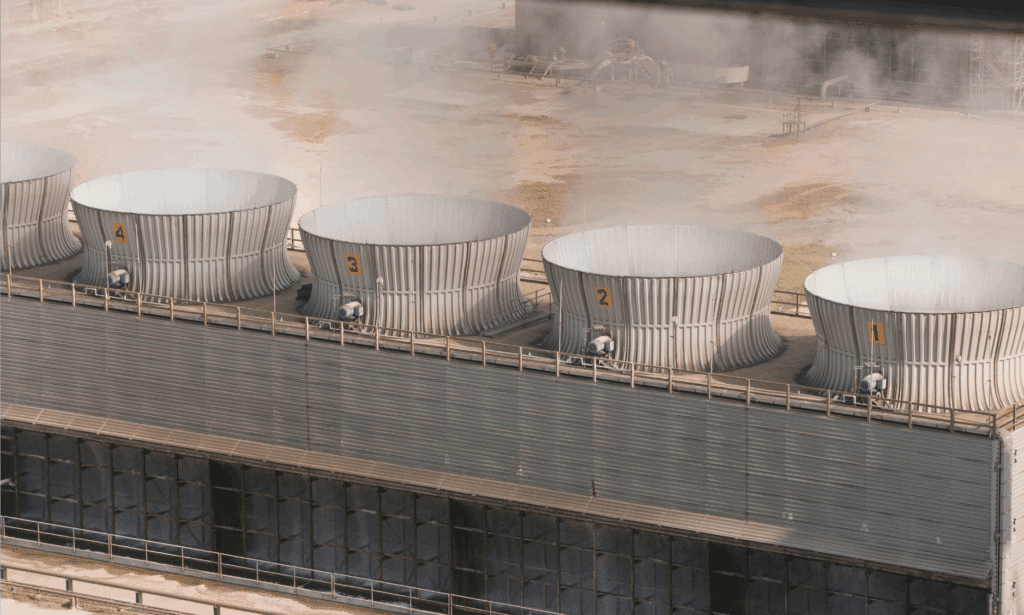
For example, in cooling systems and boilers, improper pH can lead to rapid corrosion or mineral deposition. This is why consistent pH control is essential for maintaining system reliability.
The Role of Hydrogen Ions and Hydroxide Ions
Water chemistry is driven by the balance between hydrogen ions and hydroxide ions.
- Hydrogen ions determine acidity
- Hydroxide ions determine alkalinity
Changes in hydrogen ion concentration directly shift the pH value. This balance is influenced by temperature, dissolved gases such as carbon dioxide, and chemical additions.
Carbon dioxide, for example, reacts with water to form carbonic acid, lowering pH and increasing acidity.
Measuring pH in Industrial Water Treatment
Accurate pH measurement is critical for maintaining satisfactory pH control.
Common methods include:
- pH probes and pH electrodes for continuous monitoring
- pH test indicator solutions for field testing
- pH control kits for manual verification
Operators often use a combination of real-time monitoring and periodic testing to ensure accuracy.
Proper calibration of pH probes is essential. Without calibration, measurements can drift, leading to incorrect adjustments and poor system control.
Components of a pH Control System
A typical pH control system includes several key components.
| Component | Function |
|---|---|
| pH probes | Measure pH levels in real time |
| Controller | Interprets signal and determines adjustments |
| Control valve | Regulates chemical dosing |
| Mixing tank | Ensures proper distribution of chemicals |
| Chemical feed system | Adds acid or base solution |
These components work together to maintain pH within the desired range.
Chemical Methods for pH Adjustment
pH control is achieved by adding chemicals to adjust hydrogen ion concentration.
Acids for Lowering pH
Common acids include:
- Hydrochloric acid
- Sulfuric acid
These chemicals increase hydrogen ions, lowering pH and making water more acidic.
Bases for Raising pH
Common bases include:
- Sodium hydroxide
These chemicals increase hydroxide ions, raising pH and making water more alkaline.
The choice of chemical depends on system requirements, compatibility, and safety considerations.
pH Control in Different Water Treatment Processes
Cooling Systems
In cooling systems, pH control affects scale formation, corrosion, and biological growth. Maintaining proper pH helps ensure efficient heat transfer and stable operation.
Wastewater Treatment
Wastewater treatment relies heavily on pH control to support biological processes and chemical reactions. Microorganisms operate best within a specific pH range, making control critical for process stability.
Boiler Systems
Boiler water requires precise pH control to prevent corrosion and scaling. Even small deviations can lead to significant damage over time.
Factors That Affect pH Control
Maintaining consistent pH is challenging because multiple factors influence it.
- Temperature changes affect reaction rates
- Carbon dioxide and other gases alter acidity
- Chemical dosing introduces variability
- Flow conditions impact mixing and distribution
Operators must monitor these variables to maintain control.
Challenges in Maintaining pH Control
Even with a well-designed system, maintaining pH control can be difficult.
- Sensor drift reduces measurement accuracy
- Improper mixing leads to uneven chemical distribution
- Overdosing or underdosing chemicals causes instability
These issues highlight the need for proper system design and regular maintenance.
Best Practices for Effective pH Control
Facilities that maintain stable pH control follow consistent practices.
- Calibrate pH probes regularly
- Monitor pH levels continuously
- Adjust chemical dosing based on real data
- Maintain control system components
These practices improve accuracy and ensure reliable system performance.
Linking pH Control to Overall Water Treatment
pH control is not a standalone process. It is integrated with the entire water treatment system.
For example, pH affects chlorine effectiveness. At higher pH levels, chlorine becomes less effective as a disinfectant. Understanding this relationship is critical for maintaining water disinfection performance.
See how chlorine pH control impacts disinfection effectiveness in water systems.
Frequently Asked Questions
What is pH control
pH control is the process of maintaining water within a specific pH range to ensure stable chemical conditions.
Why is pH important in water treatment
It affects chemical reactions, corrosion, scaling, and treatment effectiveness.
How is pH measured
Using pH probes, test indicators, and control systems.
What chemicals are used for pH control
Acids such as hydrochloric acid and bases such as sodium hydroxide are commonly used.
How often should pH be monitored
Continuous monitoring is recommended for most industrial systems.
Maintain Reliable pH Control in Your Systems
pH control is one of the most important aspects of industrial water treatment. Systems that maintain proper pH operate efficiently, while those that do not experience ongoing issues.
If your facility is experiencing pH control challenges or inconsistent water chemistry, contact our team today to review your system and identify where improvements can be made.
