
Data center water treatment has become a critical focus as data center operations scale rapidly across industries. While most people associate data centers with energy usage, water usage is just as important. Cooling infrastructure depends heavily on water systems to remove heat and maintain optimal temperatures.
For data center operators, managing water quality, water consumption, and system performance is no longer optional. It directly impacts reliability, sustainability, and long-term operating costs.
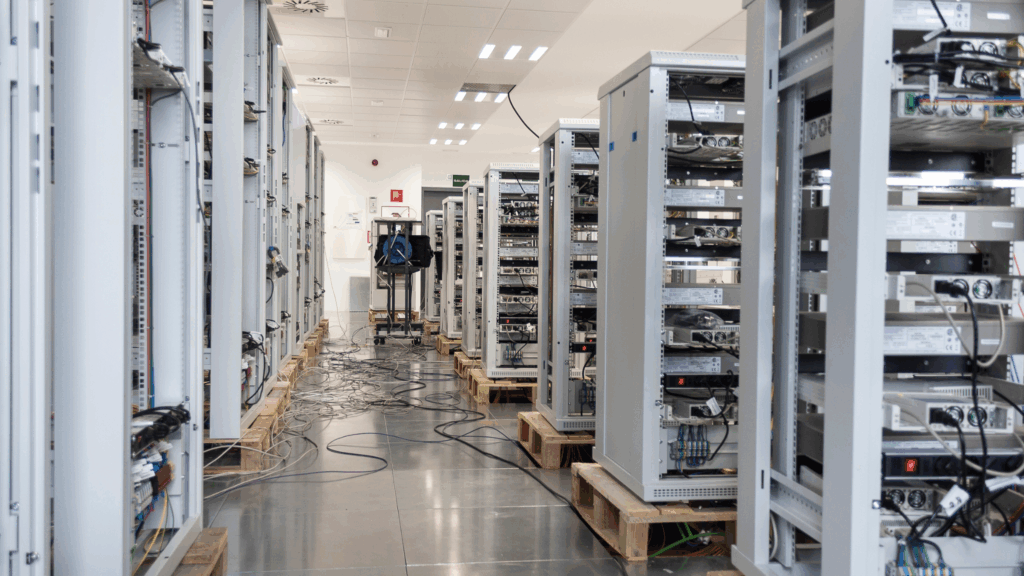
Why Data Center Water Treatment Matters
Data centers generate large amounts of heat from servers and IT equipment. To dissipate heat, cooling systems rely on water in various forms, from cooling towers to direct liquid cooling.
Without proper data center water treatment, facilities face:
- Reduced heat transfer efficiency
- Scaling and fouling in cooling equipment
- Increased water consumption
- Higher operational risk
Water treatment solutions ensure that cooling systems operate efficiently and consistently, even under high load conditions.
How Data Centers Use Water
Water usage in data centers varies depending on the cooling methods in place.
Cooling Towers and Evaporative Cooling
Many data centers rely on cooling towers and evaporative cooling systems. These systems use cooling water to remove heat and reject it into the atmosphere.
Evaporative cooling is effective but water intensive. As water evaporates, minerals remain behind, increasing total dissolved solids and requiring careful water treatment.
Air Cooling vs Liquid Cooling
Air cooling uses outside air and mechanical systems to remove heat, but is less efficient in high-density environments.
Direct liquid cooling and immersion cooling are becoming more common in large data centers. These methods bring coolant directly to heat sources, improving efficiency but increasing the importance of water chemistry and treatment systems.
Closed Loop Cooling Systems
Closed loop cooling systems reduce water consumption by recirculating water. However, they still require water treatment to control corrosion and maintain water quality.
Key Water Treatment Challenges in Data Centers
Scaling and Fouling
As cooling water cycles through the system, dissolved solids concentrate. This leads to scale formation on heat exchangers and cooling equipment.
Scaling reduces heat transfer efficiency and increases energy usage.
Corrosion Control
Water chemistry must be controlled to prevent corrosion in piping and cooling systems. Corrosion leads to leaks, equipment damage, and system failures.
Biological Growth
Warm water and nutrients create conditions for biological growth. Without treatment, microorganisms can develop, leading to fouling and reduced system performance.
Water Availability and Supply
Water availability is becoming a major concern for many data center locations, especially in water scarce regions.
Facilities must balance water consumption with sustainability goals and regulatory pressures.
Water Sources for Data Centers
Data centers rely on multiple water sources depending on location and design.
| Water Source | Use Case | Considerations |
|---|---|---|
| Potable water | General cooling and operations | High cost and regulatory oversight |
| Reclaimed water | Cooling towers | Requires advanced treatment |
| Recycled wastewater | Large-scale facilities | Lower cost, higher treatment complexity |
| Municipal wastewater | Supplementary supply | Requires treatment plant integration |
Using reclaimed water and recycled water helps reduce demand on fresh drinking water supplies.
Water Treatment Technologies for Data Centers
Filtration and Chemical Treatment
Filtration removes contaminants while chemical treatment controls scaling, corrosion, and biological growth.
Reverse Osmosis
Reverse osmosis is used to remove dissolved solids and improve water quality for sensitive cooling systems.
Blowdown Management
Blowdown removes concentrated water from cooling towers to control total dissolved solids.
Advanced Monitoring Systems
Monitoring systems track water quality, chemical levels, and system performance in real time.
Water Usage and Sustainability in Data Centers
Water consumption is a growing concern as data centers expand.
Large data centers can use millions of gallons of water annually. Data center water usage is now a key metric for sustainability and environmental impact.
Strategies for reducing water consumption include:
- Using non potable water and reclaimed water
- Implementing closed loop systems
- Improving water treatment efficiency
Some operators are working toward water positive goals, where water returned to the environment exceeds water consumed.
Environmental and Regulatory Considerations
Data center water treatment must align with environmental regulations.
Facilities must manage:
- Discharge from wastewater treatment processes
- Chemical pollutants in treated effluent
- Thermal pollution from cooling systems
Proper water treatment ensures compliance while protecting local water resources.
Data Center Locations and Water Strategy
Location plays a major role in water strategy.
In regions like Northern Virginia, where many data centers are concentrated, water availability and infrastructure are key concerns.
Facilities in cooler climates may rely more on free cooling and outside air, reducing water usage.
Best Practices for Data Center Water Management
Effective data center water treatment requires a structured approach.
- Monitor water quality continuously
- Optimize cooling systems for efficiency
- Use appropriate water sources for each application
- Maintain treatment systems to prevent scaling and corrosion
These practices help maintain reliability while reducing environmental impact.
Frequently Asked Questions
Why do data centers use so much water
Water is used primarily for cooling systems to remove heat from equipment.
What is the most common cooling method
Cooling towers and evaporative cooling are widely used, but liquid cooling is increasing.
How can data centers reduce water usage
By using reclaimed water, improving efficiency, and optimizing cooling methods.
What role does water treatment play
Water treatment ensures water quality, prevents scaling and corrosion, and maintains system performance.
What is water positive
Water positive means returning more water to the environment than is consumed.
Improve Water Management in Data Centers
Data center water treatment is a critical part of modern facility operations. As data center operations continue to expand, water management strategies must evolve to support efficiency, sustainability, and reliability.
If your facility is evaluating water treatment solutions or optimizing cooling systems, contact our team today to review your approach and identify opportunities for improvement.
