
Clean in place is one of the most important maintenance and hygiene processes used across industrial systems. In industries such as food and beverage, chemical processing, and water treatment, equipment must be cleaned on a regular basis without dismantling. That is where CIP systems provide a major operational advantage.
Instead of manual cleaning, a clean in place system allows operators to run a controlled cleaning cycle through piping, tanks, and process equipment. When designed correctly, CIP cleaning improves product quality, reduces contamination risk, and minimizes costly downtime.
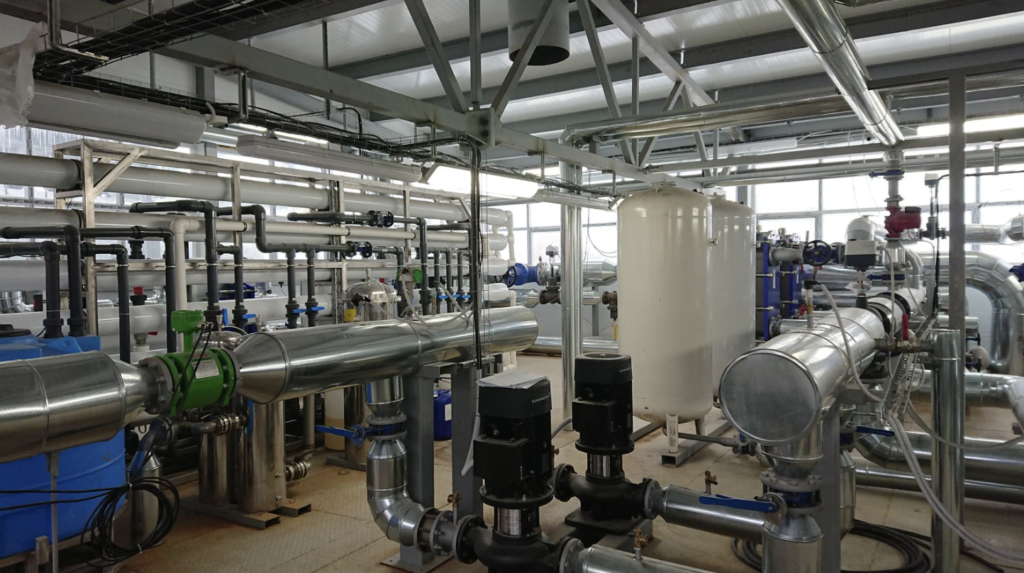
What Clean in Place Means in Practice
A clean in place system is a method for cleaning interior surfaces of closed systems without disassembly. These systems are widely used in industries where hygiene and repeatability are critical.
A typical clean in place CIP setup includes:
- Tanks for storing cleaning solutions
- Pumps to deliver solution through the CIP flow path
- Spray balls or distribution devices for coverage
- Control systems to manage cycle times and parameters
The goal is to ensure that all interior surfaces are properly cleaned using a repeatable and validated cleaning process.
Why CIP Systems Are Used in Industrial Operations
CIP systems are used because manual cleaning is labor intensive and inconsistent. In large facilities, dismantling process equipment for frequent internal cleaning is not practical.
Using CIP technology provides several benefits:
- Reduced labor and human error
- Improved cleaning consistency
- Shorter production time interruptions
- Better control of cleaning procedures
For operators, the difference is simple. A well designed CIP system ensures that equipment is cleaned the same way every time.
How a CIP Cleaning Cycle Works
A CIP cycle follows a defined sequence to remove residue, sanitize equipment, and prepare the system for operation.
Typical CIP Cycle Steps
| Step | Purpose | Description |
|---|---|---|
| Pre rinse | Remove loose debris | Water flush to clear bulk residue |
| Caustic wash | Break down organic material | Alkaline cleaning solution removes protein residues |
| Intermediate rinse | Remove cleaning agents | Flushes out remaining chemicals |
| Acid wash | Remove mineral deposits | Acid solution dissolves mineral precipitates |
| Final rinse | Prepare for production | Ensures no residual chemicals remain |
Each cleaning cycle is designed based on the type of process equipment and soil load.
Key Components of a CIP System
A clean in place system relies on several critical components working together.
Tanks and Storage
CIP systems use tanks to store cleaning solutions and rinse water. These tanks must be sized to support the entire cleaning process.
Pumps and Flow Control
Pumps are used to deliver solution through the piping network. Flow rate and pressure must be controlled to ensure effective cleaning.
Spray Devices and Coverage
Spray balls and similar devices distribute cleaning agents across surfaces. Proper coverage is essential to remove residue and prevent contamination.
Control Systems
Modern CIP systems use automation to control temperature, flow, and chemical concentration. This ensures repeatable and effective cleaning.
Cleaning Solutions and Chemicals Used
Cleaning solutions are selected based on the type of residue and process conditions.
Common cleaning agents include:
- Caustic wash solutions for organic materials
- Acid wash solutions for mineral deposits
- Sanitizing solutions for microbial control
Chemical selection impacts both cleaning effectiveness and chemical costs. Operators must balance performance with cost and system compatibility.
Critical Parameters in CIP Cleaning
Effective cleaning depends on controlling key parameters.
- Temperature of cleaning solutions
- Chemical concentration
- Flow rate and pressure
- Contact time during each cleaning cycle
If these parameters are not maintained, the system may not be properly cleaned.
CIP in Food and Beverage Industries
CIP systems are widely used in food and beverage production where hygiene standards are strict.
Applications include:
- Dairy industry processing equipment
- Beverage production lines
- Food processing tanks and piping
In these industries, CIP cleaning ensures product quality and compliance with industry standards and federal regulations.
Preventing Contamination and Cross Contamination
One of the main goals of CIP systems is to prevent contamination.
Improper cleaning can lead to:
- Residue buildup in equipment
- Microbial contamination
- Cross contamination between production batches
A properly designed CIP process helps ensure that equipment is clean and ready for use.
System Design Considerations
System design plays a major role in CIP effectiveness.
A well designed CIP system ensures:
- Proper flow distribution through piping
- Coverage of all interior surfaces
- Efficient use of cleaning solutions
Poor system design can lead to dead zones where cleaning is ineffective.
Challenges in CIP Systems
Even well-designed systems face challenges.
- Incomplete cleaning due to poor flow
- High chemical costs from inefficient processes
- Equipment damage from improper cleaning agents
Operators must monitor system performance and adjust cleaning procedures as needed.
Integration with Water Treatment Programs
CIP systems are closely tied to water treatment. Water quality affects cleaning performance and system efficiency.
Facilities that maintain strong water treatment programs see better CIP performance and reduced fouling.
Best Practices for CIP Operation
Facilities that maintain effective CIP systems follow consistent practices.
- Monitor cleaning cycles and parameters
- Use validated cleaning procedures
- Maintain equipment and associated fittings
- Optimize cycle times to balance cleaning and production
These practices help ensure effective cleaning and system reliability.
Frequently Asked Questions
What is clean in place
Clean in place is a method for cleaning process equipment without disassembly.
Why are CIP systems important
They provide consistent cleaning, reduce labor, and improve product quality.
What industries use CIP systems
CIP systems are widely used in food and beverage, chemical processing, and water treatment industries.
What are common cleaning agents
Common agents include caustic wash, acid solution, and sanitizing chemicals.
How often should CIP systems run
Frequency depends on process requirements and contamination risk.
Improve Cleaning Performance with CIP Systems
Clean in place systems are essential for maintaining hygiene and performance in industrial operations. When properly designed and operated, they provide reliable cleaning, reduce downtime, and support high quality production.
If your facility is evaluating CIP systems or optimizing cleaning performance, contact us to review your process and identify the right solution.
