
What is water management in modern buildings? At its core, water management is the coordinated control of water usage, water quality, and water systems to support reliable operation, reduce water waste, and meet sustainability goals. For facility teams, effective water management is not just conservation. It is a comprehensive approach to managing water resources across cooling towers, boilers, potable water, and wastewater systems.
In commercial and industrial facilities, water management directly impacts operating costs, system performance, and public health. Poor water management leads to water waste, scaling, corrosion, and compliance issues. Strong water management practices improve water efficiency, reduce costs, and protect equipment.
What Is Water Management?
Water management is the planning, monitoring, and control of how water is sourced, used, treated, and discharged within a facility. It includes water resources management, water usage tracking, leak detection, and treatment strategies to maintain water quality.
A building water management program typically includes:
- Monitoring water usage and identifying water waste
- Maintaining water quality across systems
- Managing water supply and distribution
- Treating wastewater prior to discharge
- Supporting sustainability goals and regulatory compliance
This approach ensures access to water, protects infrastructure, and supports safe drinking water and operational needs.
Why Water Management Is Important
Water management is important because water is a valuable resource with limited availability in many regions. Climate change, population growth, and industrial demand are increasing pressure on water resources.
Effective water management helps:
- Reduce water shortages and water waste
- Improve water efficiency and lower costs
- Protect water bodies and the environment
- Support public health and safe drinking water
- Maintain reliable building systems
Facilities that implement effective water management strategies are better positioned to handle changing conditions and regulatory requirements.
Key Components of Water Management in Buildings
Water management in buildings involves multiple systems working together.
Cooling Towers and Process Water
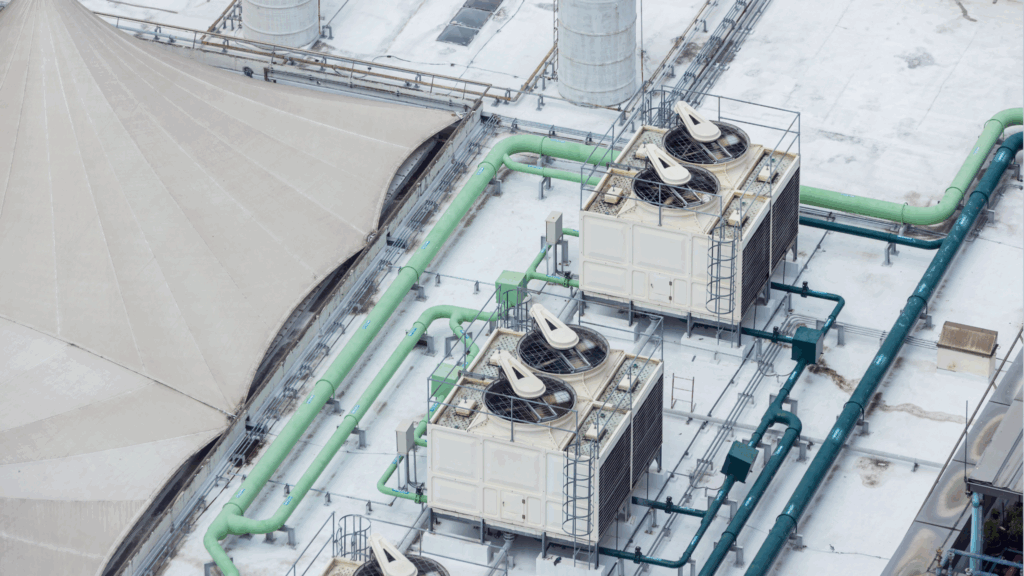
Cooling towers are major water users in commercial buildings. Managing blowdown, monitoring water quality, and controlling chemical dosing are critical to reduce water usage and maintain performance.
Boiler and Heating Systems
Boilers require proper water management to control scaling and corrosion. Stable water quality improves heat transfer and reduces maintenance.
Potable Water Systems
Drinking water systems must maintain safe water quality and prevent contamination. Temperature control and circulation reduce risks associated with stagnation.
Wastewater Management
Wastewater management ensures that water is treated before discharge into a sanitary sewer system. This protects infrastructure and ensures compliance with permit limits.
Water Management Strategies
Facilities use several water management strategies to optimize water usage and reduce waste.
Water Efficiency and Conservation
- Optimize water usage across systems
- Reduce water waste through system improvements
- Implement water budgeting and tracking
Leak Detection and Monitoring
Leak detection systems help identify water loss early. Continuous monitoring reduces waste and improves system reliability.
Treatment and Reuse
Treating water allows facilities to reuse water where possible. This reduces demand on water supply and supports sustainable water management.
Sustainable Water Management
Sustainable water management focuses on long-term resource protection. This includes reducing environmental impacts and improving water security.
Technologies Used in Water Management
Modern water management systems rely on advanced technology and data to improve performance.
| Technology | Function | Benefit |
|---|---|---|
| Sensors | Monitor flow, quality, and pressure | Real-time data and control |
| Automation systems | Adjust operation based on demand | Reduced waste and improved efficiency |
| Leak detection tools | Identify water loss | Lower operational costs |
| Treatment systems | Remove contaminants | Maintain water quality |
Integration with building automation systems allows facilities to use building data to optimize water management decisions and improve building performance.
Water Quality and Treatment Integration
Water management and water treatment work together. Maintaining water quality is essential for system performance and equipment protection.
Water treatment processes help with:
- Removing contaminants and heavy metals
- Controlling bacteria and microorganisms
- Maintaining stable water chemistry
Effective water management ensures that water treatment systems operate efficiently and deliver clean water where needed.
Water Management in Industrial and Commercial Facilities
Industrial water management requires a comprehensive approach that considers process water, cooling systems, and wastewater discharge.
Key factors include:
- Managing industrial water usage
- Controlling pollutants in wastewater
- Meeting regulatory requirements and permit limits
- Protecting equipment and infrastructure
Commercial buildings also benefit from water management through improved water efficiency and reduced operating costs.
Environmental and Sustainability Considerations
Water management is closely tied to environmental responsibility. Facilities must consider the impact of water use on ecosystems and surrounding environments.
This includes:
- Reducing water pollution and contaminants
- Managing rainwater runoff and surface water
- Supporting ecosystem services
- Aligning with sustainability goals
Sustainable water management practices help reduce environmental impacts and support long-term resource availability.
Challenges in Water Management
Facilities often face challenges when managing water systems.
Common issues include:
- Limited water supplies and water scarcity
- Aging water infrastructure
- Increased demand from industrial processes
- Regulatory compliance requirements
Addressing these challenges requires a comprehensive approach and ongoing monitoring.
Best Practices for Effective Water Management
To improve water management, facilities should:
- Monitor water usage and water quality continuously
- Implement leak detection and repair programs
- Optimize treatment processes to reduce contaminants
- Integrate automation and smart technology
- Review and update water management strategies regularly
These practices support effective water management and improve system performance.
Frequently Asked Questions
What is water management in buildings?
Water management is the process of controlling water usage, quality, and systems to improve efficiency and reliability.
Why is water management important?
It helps reduce water waste, protect resources, and maintain system performance.
What systems are included in water management?
Cooling towers, boilers, potable water systems, and wastewater systems are all part of water management.
How does water management reduce costs?
By improving efficiency, reducing waste, and preventing system failures.
What technologies are used in water management?
Sensors, automation systems, and monitoring tools are commonly used.
Improve Water Management Across Your Facility
Water management is essential for maintaining system performance, reducing waste, and supporting sustainability goals. A structured approach helps facilities optimize water usage and protect valuable resources.
If your facility is looking to improve water management strategies and system performance, contact our team today to review your systems and identify the right solution.
