
Water pretreatment is a critical first step in protecting equipment, improving efficiency, and ensuring compliance in industrial water systems. Before water reaches boilers, cooling towers, reverse osmosis systems, or discharge points, it must go through a pretreatment process that removes contaminants, stabilizes chemistry, and prepares it for downstream treatment.
For industrial users, water pretreatment is not optional. It is essential for maintaining system performance, protecting membranes and equipment, and meeting regulatory requirements tied to industrial wastewater discharge and environmental standards.
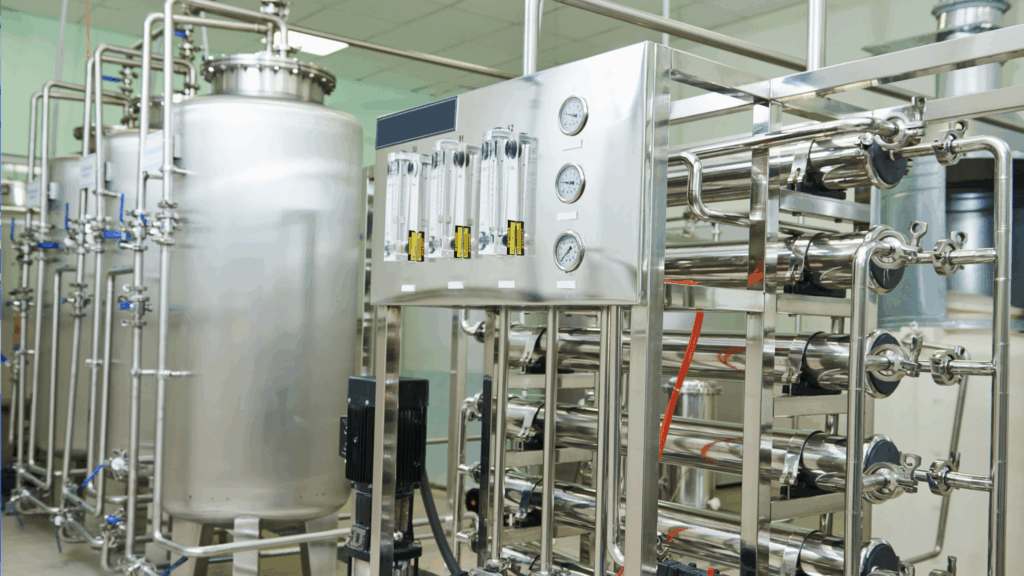
What Is Water Pretreatment?
Water pretreatment refers to the processes applied to raw water or process wastewater before it enters a primary treatment system or is discharged into a sanitary sewer system. The goal is to remove contaminants, reduce suspended solids, and control chemical composition so the system can operate efficiently.
A water pretreatment program typically addresses:
- Removal of suspended solids and smaller particles
- Reduction of dissolved contaminants
- Adjustment of water chemistry
- Preparation for advanced treatment such as reverse osmosis RO or ion exchange
Proper water pretreatment ensures that downstream systems operate within design limits and avoid premature failure.
Why Water Pretreatment Matters in Industrial Systems
Industrial systems rely on consistent water quality to maintain performance. Without proper water pretreatment, contaminants can interfere with operation, increase maintenance costs, and reduce efficiency.
Key benefits of water pretreatment include:
- Protecting equipment such as pumps, membranes, and heat exchangers
- Improving efficiency of the overall treatment system
- Reducing fouling and scaling
- Supporting compliance with permit and discharge limits
- Preventing system downtime and operational issues
In many industries, untreated water or process wastewater can cause serious issues in both equipment and environmental compliance.
Common Water Pretreatment Methods
Different pretreatment strategies are used depending on the water source, contaminants, and system requirements.
Comparison of Water Pretreatment Methods
| Method | Purpose | Typical Application |
|---|---|---|
| Filtration | Remove suspended solids and particles | Cooling systems, RO pretreatment |
| Chemical treatment | Adjust pH and remove contaminants | Industrial wastewater and process systems |
| Ion exchange | Remove dissolved ions | Softening and polishing systems |
| Reverse osmosis pretreatment | Protect membranes | High purity systems |
| Sedimentation | Remove larger solids | Treatment plants and wastewater systems |
These methods are often combined to create a complete pretreatment program.
Filtration and Removal of Suspended Solids
Filtration is one of the most common water pretreatment methods. It removes suspended solids and contaminants that can damage equipment or interfere with downstream processes.
Typical filtration systems include:
- Sand and multimedia filters for larger particles
- Cartridge filtration for smaller particles
- Advanced filtration systems for fine solids
Removing total suspended solids helps prevent fouling and improves system efficiency.
Chemical Pretreatment and Contaminant Control
Chemical treatment is used to adjust water chemistry and remove contaminants before water enters the main treatment system.
Common chemical pretreatment processes include:
- pH adjustment using chemicals such as sodium hydroxide
- Coagulation and flocculation using ferric sulfate to form flocs
- Oxidation of contaminants
Chemical pretreatment helps reduce pollutant concentration and prepares water for filtration and advanced treatment.
Ion Exchange and Water Softening
Ion exchange is used in water pretreatment to remove dissolved ions such as calcium and magnesium. This process is commonly used for water softening and reducing hardness.
Water softeners play a key role in pretreatment by preventing scaling in downstream systems. Learn more about improving system performance with water softener efficiency.
Reverse Osmosis Pretreatment
Reverse osmosis systems require effective pretreatment to protect membranes from fouling and damage. Without proper water pretreatment, membranes can become clogged, reducing performance and increasing operating costs.
Pretreatment for reverse osmosis typically includes:
- Filtration to remove suspended solids
- Chemical dosing to control scaling
- Removal of organic contaminants
These steps help ensure long membrane life and stable operation.
Pretreatment for Industrial Wastewater
Industrial wastewater requires specific pretreatment strategies before discharge into a sanitary sewer system or treatment plant.
Pretreatment for industrial wastewater focuses on:
- Removing pollutants and contaminants
- Reducing concentration of hazardous substances
- Meeting categorical pretreatment standards and local limits
Industrial users must comply with federal regulations and pretreatment requirements to avoid penalties and protect the environment.
Regulatory Compliance and Pretreatment Programs
Pretreatment programs are designed to ensure that industrial discharges do not harm treatment facilities or violate environmental standards.
Key regulatory considerations include:
- Compliance with permit requirements
- Adhering to local limits for discharge
- Monitoring pollutant levels in wastewater
- Ensuring safety and environmental protection
Facilities must implement a pretreatment program that meets regulatory requirements and protects both infrastructure and public health.
Factors That Affect Pretreatment Design
The design of a water pretreatment system depends on several factors.
- Water source and quality of raw water
- Type and concentration of contaminants
- Flow rates and system capacity
- Seasonal changes affecting water composition
- Specific needs of the facility and industrial processes
Understanding these factors helps determine the right pretreatment strategy.
Integration with Overall Water Treatment Systems
Water pretreatment is only one part of a complete water treatment process. It must be integrated with downstream systems to ensure consistent performance.
Pretreatment supports:
- Reverse osmosis systems
- Cooling towers and process systems
- Boiler systems
- Wastewater treatment systems
A well-designed pretreatment system improves overall system efficiency and reduces long-term costs.
Operational Best Practices
To maintain effective pretreatment, facilities should follow best practices:
- Regularly monitor water quality and contaminant levels
- Maintain filtration systems and replace media as needed
- Adjust chemical dosing based on data
- Inspect equipment for fouling and wear
- Review system performance and optimize processes
These practices help maintain reliable operation and extend equipment life.
Frequently Asked Questions
What is water pretreatment?
Water pretreatment is the process of removing contaminants and adjusting water chemistry before it enters a main treatment system.
Why is water pretreatment important?
It protects equipment, improves efficiency, and ensures compliance with environmental regulations.
What methods are used in water pretreatment?
Common methods include filtration, chemical treatment, ion exchange, and reverse osmosis pretreatment.
What is a pretreatment program?
A pretreatment program is a structured approach used by industrial users to manage wastewater and comply with regulatory requirements.
How does pretreatment affect system performance?
Proper pretreatment improves efficiency, reduces fouling, and supports reliable operation.
Improve System Performance with Effective Pretreatment
Water pretreatment is essential for maintaining system performance, protecting equipment, and ensuring compliance in industrial facilities. A well-designed pretreatment program helps reduce contaminants, improve efficiency, and support long-term operation.
If your facility needs help evaluating or improving pretreatment strategies, contact our team today to review your system and identify the right solution.
