
A water treatment plan is essential for maintaining water quality, protecting equipment, and ensuring regulatory compliance in commercial buildings. Whether managing cooling towers, potable water systems, or process water, a structured water treatment plan helps facilities control contaminants, improve system performance, and meet safety standards.
For operators and facility managers, creating a water treatment plan is not about following a generic checklist. It requires understanding the water treatment process, identifying system-specific risks, and applying the right combination of filtration, chemical treatment, and monitoring.
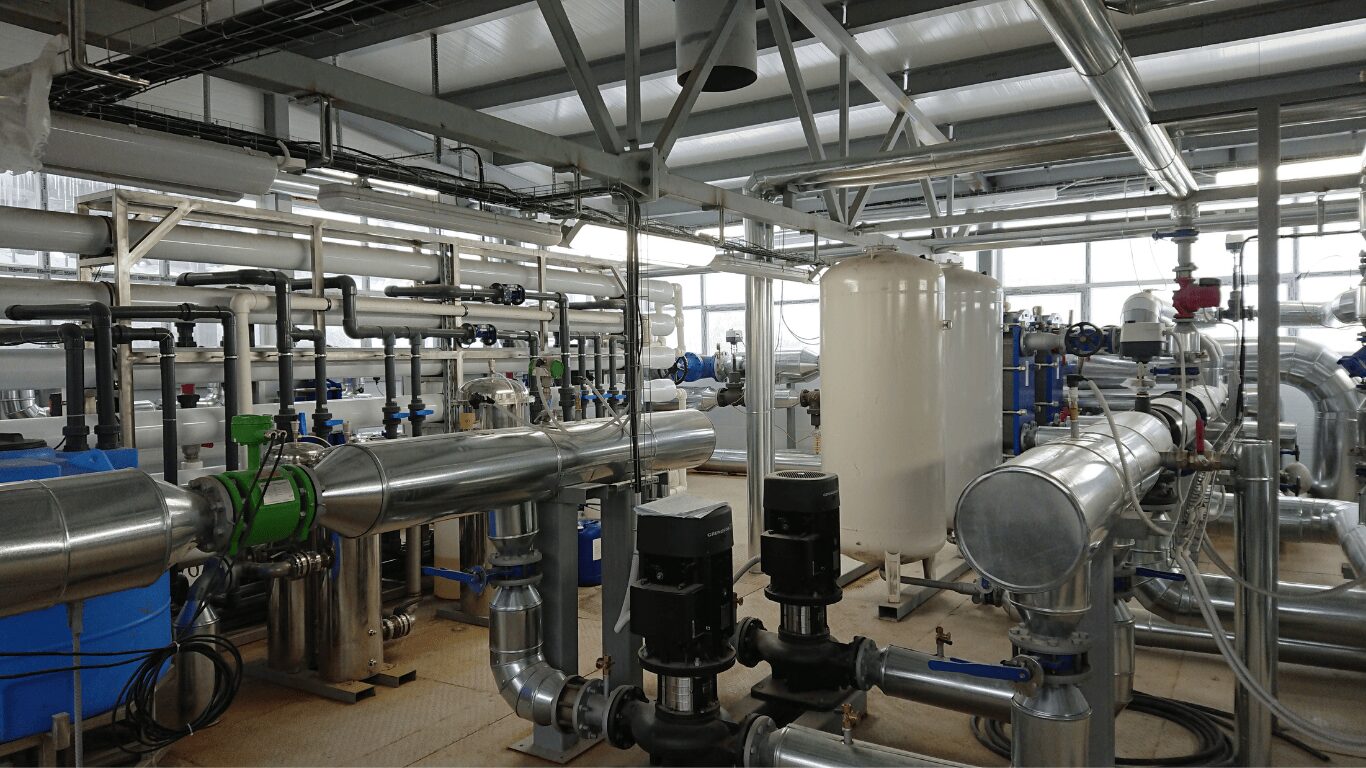
What Is a Water Treatment Plan?
A water treatment plan is a structured approach used to manage water quality across a building or facility. It defines how water is treated, monitored, and controlled to ensure safe and efficient operation.
A complete plan typically includes:
- Identification of water sources such as raw water or municipal supply
- Selection of appropriate treatment processes
- Monitoring and maintenance procedures
- Compliance with water quality standards and regulatory requirements
This plan applies to drinking water, wastewater, and process water systems across treatment facilities and commercial buildings.
Understanding the Water Treatment Process
The water treatment process involves multiple stages designed to remove contaminants, reduce solids, and produce treated water suitable for use.
Typical Treatment Process Stages
| Stage | Purpose | Key Elements |
|---|---|---|
| Primary treatment | Remove large debris and solids | Screening, sedimentation process |
| Coagulation & flocculation | Bind tiny particles into larger flocs | Ferric sulfate, sodium hydroxide |
| Filtration | Remove suspended particles | Sand, gravel, filtration systems |
| Disinfection | Kill microorganisms | Chlorine, ozone, UV light |
| Post treatment | Adjust water chemistry | Secondary disinfection, pH control |
Each treatment process plays a role in producing clean drinking water or treated water for industrial use.
Step 1: Evaluate Water Sources and Raw Water Quality
The first step in building a water treatment plan is understanding the incoming water supply.
Water sources may include:
- Municipal water supply
- Well water
- Surface water from rivers or reservoirs
Raw water often contains dissolved solids, sediment, organic matter, and microorganisms. Testing raw water helps determine which treatment processes are required.
Step 2: Define Treatment Goals and Requirements
Different facilities have different water treatment needs. A commercial building may focus on drinking water quality and safety, while industrial facilities may require process water for cooling systems or manufacturing.
Key considerations include:
- Required water quality standards
- Presence of harmful contaminants
- Equipment protection requirements
- Regulatory compliance and safety standards
Step 3: Select Appropriate Treatment Technologies
A water treatment plan must include the right combination of treatment technologies based on system requirements.
Common Treatment Methods
- Filtration systems to remove solids and sediment
- Granular activated carbon to reduce chlorine and organic compounds
- Reverse osmosis for removing dissolved solids and producing high purity water
- Chemical treatment for corrosion and scale control
Each method contributes to improving water quality and system performance.
Step 4: Implement Filtration and Sedimentation
Filtration and sedimentation are key components of most treatment facilities.
During the sedimentation process, water passes through large tanks where solids settle out. This clarified water then moves to filtration systems.
Filtration systems may include:
- Sand filters and gravel media
- Cartridge filters
- Multi media filter systems
These systems trap particles and improve water clarity before disinfection.
Step 5: Disinfection and Microbial Control
Disinfection is critical for removing bacteria and microorganisms from water.
Common disinfection methods include:
- Chlorine dosing using sodium hypochlorite
- Ozone gas as a powerful disinfectant
- UV light systems for microbial control
Ozone works by breaking down oxygen molecules into ozone molecules that oxidize contaminants. UV light disrupts microorganisms without adding chemicals.
These methods help kill bacteria and ensure safe drinking water.
Step 6: Chemical Treatment and Control
Chemical treatment is used to stabilize water chemistry and protect system components.
Typical chemicals include:
- Sodium hydroxide for pH control
- Scale inhibitors to prevent mineral deposits
- Biocides to control bacteria growth
Chemical treatment helps control corrosion, reduce scaling, and maintain consistent water quality.
Step 7: Monitoring and Control Systems
Monitoring is essential to maintain an effective water treatment plan. Facilities must track water quality and system performance in real time.
Monitoring includes:
- Measuring flow and pressure
- Tracking sediment and solids levels
- Monitoring disinfection levels such as chlorine
- Ensuring compliance with water quality standards
Modern facilities often integrate monitoring with automation systems. For example, building automation can support water management and improve system performance. Learn more about this integration in our guide on building automation systems.
Step 8: Maintenance and Ongoing Optimization
A water treatment plan is not static. It requires ongoing maintenance and optimization.
Key maintenance activities include:
- Inspecting filters and replacing media
- Cleaning tanks and pipes
- Adjusting chemical dosing
- Reviewing treatment performance
Routine maintenance helps facilities avoid failures, reduce cost, and maintain compliance.
Step 9: Regulatory Compliance and Safety Standards
Commercial buildings and treatment plants must meet safety standards and regulatory compliance requirements.
This includes:
- Following environmental and health regulations
- Maintaining proper documentation
- Ensuring treated water meets drinking water standards
Compliance ensures safe operation and protects occupants.
Example Water Treatment Plan for a Commercial Building
| Component | Application | Purpose |
|---|---|---|
| Filtration system | Incoming water supply | Remove sediment and particles |
| Carbon filtration | Chlorine removal | Improve taste and reduce chemicals |
| Reverse osmosis system | High purity water | Remove dissolved solids |
| Disinfection system | Microbial control | Kill bacteria and microorganisms |
| Monitoring system | Continuous tracking | Maintain water quality and compliance |
This type of structured approach helps facilities maintain efficient operation and produce clean water.
Integrating Water Treatment Across Systems
A complete water treatment plan should integrate multiple systems, including cooling towers, boilers, and closed loop systems.
Facilities should align treatment strategies across systems such as:
- Cooling tower water treatment to control scale and biological growth
- Boiler water treatment to protect steam systems
- Closed loop water treatment to maintain system stability
These integrated solutions improve overall performance and reduce operational risks.
Frequently Asked Questions
What is a water treatment plan?
A water treatment plan is a structured process used to manage water quality, control contaminants, and ensure safe and efficient operation of water systems.
Why is water treatment important in commercial buildings?
Water treatment helps maintain water quality, prevent equipment damage, and meet safety standards.
What are the main stages of water treatment?
The main stages include sedimentation, filtration, disinfection, and chemical treatment.
How do you ensure compliance with water quality standards?
Through monitoring, testing, and maintaining treatment systems according to regulatory requirements.
What systems are included in a water treatment plan?
Cooling towers, boilers, potable water systems, and filtration systems are typically included.
Build a Reliable Water Treatment Plan
A well-designed water treatment plan helps facilities manage water quality, reduce risks, and improve system performance. By combining the right treatment processes, monitoring, and maintenance, commercial buildings can maintain clean water and efficient operations.
If your facility needs help building or improving a water treatment plan, contact one of our experts today to review your system and identify the right solution.
