
Building automation systems are no longer limited to HVAC lighting or energy management. In modern facilities, building automation plays a direct role in how water systems operate, how water quality is maintained, and how efficiently resources are used across cooling towers, boilers, and building water systems.
For facility managers, building automation systems provide a centralized way to monitor building data, control system performance, and reduce operational costs while supporting sustainability goals. When integrated properly, building automation solutions can significantly improve water management and overall building performance.
What Are Building Automation Systems
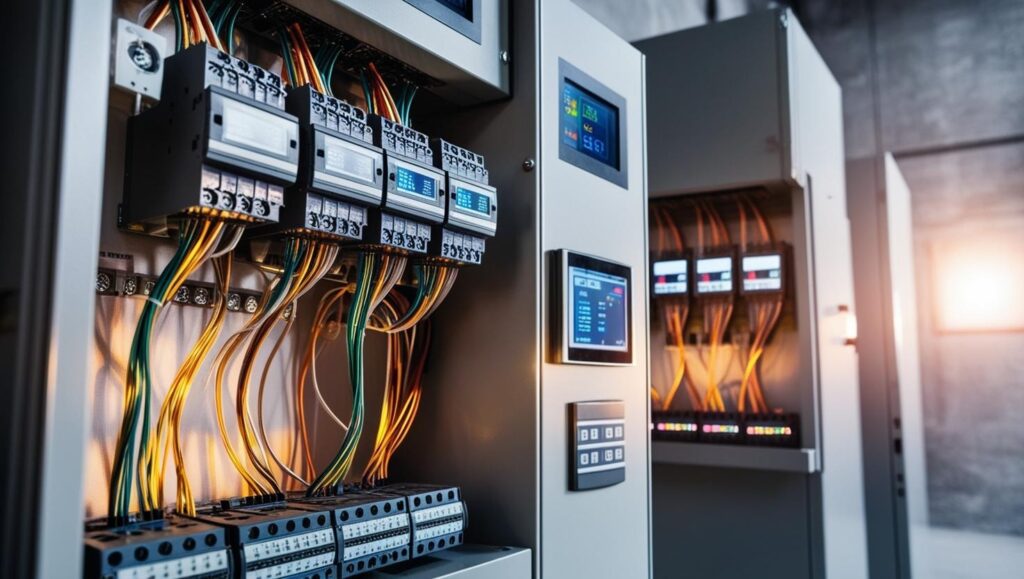
Building automation systems are centralized control systems that monitor and manage building systems such as HVAC systems, lighting, security, fire safety, and energy usage. These automation systems use sensors, controllers, and software to collect data and adjust system operations in real time.
In smart buildings, building automation systems connect multiple systems into one platform, allowing facility managers to monitor performance, respond to issues, and optimize operations across the entire building environment.
Typical building automation systems include:
- Sensors that collect building data such as temperature, flow, and air quality
- Controllers that manage system operations
- Interfaces that allow operators to view and adjust performance
- Integration with building management systems for centralized control
How Building Automation Connects to Water Systems
While building automation is often associated with HVAC systems and lighting, it also plays a critical role in managing water systems. Cooling towers, boilers, and plumbing systems all rely on consistent monitoring and control to maintain performance and water quality.
Building automation systems can monitor:
- Water flow and usage
- Temperature in heating and cooling systems
- Conductivity and chemical levels in water systems
- System performance and operating conditions
This integration allows building automation to directly influence water treatment, reduce water waste, and improve operational efficiency.
Key Applications in Water Management
Cooling Towers
Cooling towers are one of the most important areas where building automation systems improve water management. Automation systems can control blowdown based on conductivity, adjust chemical dosing, and monitor water quality in real time.
By automating these processes, facilities can reduce water usage, improve water treatment effectiveness, and maintain stable system performance.
Boiler Systems
In boiler systems, building automation supports control of feedwater systems, monitoring of temperature and pressure, and coordination with water treatment programs. This helps maintain efficiency and reduce the risk of scaling or corrosion.
Building Water Systems
For potable water systems and plumbing systems, automation can monitor temperature, flow, and usage patterns. This helps reduce stagnation, manage water temperatures, and support Legionella control strategies.
Core Components of Building Automation Systems
Building automation systems rely on several essential components to function effectively.
| Component | Function | Role in Water Management |
|---|---|---|
| Sensors | Measure temperature, flow, and system data | Provide real-time water system information |
| Controllers | Execute control logic | Adjust valves, pumps, and dosing systems |
| Software platforms | Aggregate building data | Enable monitoring and analysis |
| Integration tools | Connect multiple systems | Support coordinated control across systems |
These components work together to create a smart building automation system that can optimize both energy and water systems.
Benefits of Building Automation for Water Management
Building automation systems provide several advantages when applied to water management.
Improved Operational Efficiency
Automation reduces manual intervention and allows systems to operate based on real-time data. This improves operational efficiency and reduces the risk of human error.
Reduced Water Usage
By controlling water flow, blowdown, and system operation, building automation systems help reduce water waste and improve water efficiency.
Lower Energy Costs
Building automation systems optimize energy usage by adjusting HVAC systems, pumps, and equipment based on demand. This helps lower energy costs and improve energy efficiency.
Better System Performance
Automation systems continuously monitor building performance and make adjustments to maintain optimal conditions.
Preventive Maintenance
Sensors and monitoring systems help identify issues before they lead to device failures, reducing maintenance costs and improving reliability.
Real World Example of Integration
In a typical facility, a building automation system may monitor cooling tower conductivity and automatically trigger blowdown when thresholds are exceeded. At the same time, the system adjusts chemical dosing based on water quality data.
This type of integration improves water treatment performance, reduces chemical usage, and supports consistent system operation.
Role of Data and Analytics
Building automation systems rely heavily on data to optimize performance. Sensors collect data from multiple systems, and analytics tools process that data to identify trends and opportunities for improvement.
This includes:
- Monitoring energy usage and energy demand
- Tracking water usage and system performance
- Identifying inefficiencies and opportunities to reduce costs
Advanced systems may incorporate artificial intelligence to improve automation and optimize building performance over time.
Integration with Existing Systems
Many facilities already have building systems in place. Building automation solutions can often be integrated into existing systems using open protocols, allowing facilities to upgrade without replacing all equipment.
Integration supports:
- Improved control of current systems
- Enhanced monitoring and reporting
- Better coordination across building systems
Supporting Sustainability Goals
Building automation systems play a key role in supporting sustainability goals. By reducing energy consumption, optimizing water usage, and improving system efficiency, facilities can lower their environmental impact.
This supports:
- Reducing energy and water consumption
- Lower greenhouse gas emissions
- Achieving sustainability targets
Challenges and Considerations
While building automation offers benefits, facilities must consider:
- Initial investment and system design
- Integration complexity with existing systems
- Training requirements for facility managers
- Cybersecurity and system security
Proper planning ensures that building automation systems deliver expected results.
Best Practices for Implementation
To get the most value from building automation systems, facilities should:
- Focus on high-impact systems such as HVAC and water systems
- Use reliable sensors and monitoring tools
- Ensure proper integration across systems
- Train staff on system operation
- Regularly review system performance and data
FAQ: Building Automation Systems and Water Management
What are building automation systems used for?
Building automation systems are used to monitor and control building systems such as HVAC, lighting, security, and water systems.
How do building automation systems improve water management?
They provide real-time monitoring and control of water systems, helping reduce water usage and improve efficiency.
Can building automation systems reduce operational costs?
Yes, automation can reduce costs by improving efficiency, reducing waste, and preventing equipment failures.
Do building automation systems work with existing equipment?
Most systems can integrate with existing equipment using open protocols and control solutions.
Why are building automation systems important for sustainability?
They help reduce energy consumption, optimize water usage, and support sustainability goals.
Improve Water System Performance with Automation
Building automation systems provide a powerful tool for managing water systems, improving efficiency, and reducing costs. When integrated with water treatment programs, these systems help maintain water quality and support reliable operation.
Aquatrol works with facilities to support water treatment strategies that align with building automation and system performance.
If your facility is looking to improve water management and system efficiency, contact one of our experts to review your systems and opportunities for improvement.
