
Sustainable water treatment is becoming a core requirement for industrial facilities facing increasing pressure from water scarcity, energy costs, and regulatory compliance. For operators, sustainable water treatment is not just an environmental goal—it is a practical approach to reducing operating costs, maintaining water quality, and improving long-term system reliability.
This guide outlines sustainable water treatment strategies, technologies, and practices that facilities can apply across cooling towers, boiler systems, and closed loop water systems to reduce environmental impact while maintaining performance.
What Is Sustainable Water Treatment?
Sustainable water treatment refers to the use of water treatment technologies and practices that reduce energy consumption, minimize waste, and protect water resources while maintaining system performance. A sustainable approach focuses on optimizing the water cycle within a facility—reducing freshwater consumption, increasing water reuse, and lowering the overall environmental footprint.
In industrial settings, sustainable water treatment solutions combine chemical treatment, monitoring, and system optimization to achieve efficient operation with minimal environmental impact.
Why Sustainable Water Treatment Matters
Industrial facilities face several environmental challenges that make sustainable water management essential:
- Increasing water scarcity and pressure on local water resources
- Rising energy consumption and associated costs
- Stricter regulatory compliance requirements
- Growing focus on environmental stewardship and sustainability goals
Implementing sustainable water treatment practices helps facilities reduce their carbon footprint, improve water security, and support long-term sustainable development goals.
Key Strategies for Sustainable Water Treatment
1. Water Reuse and Recycling
Water reuse is one of the most effective sustainable water treatment strategies. Facilities can reuse treated wastewater for cooling systems, process water, or other non-potable applications.
Benefits include:
- Reduced freshwater consumption
- Lower discharge volumes
- Improved water resource management
2. Optimizing Cooling Tower Water Use
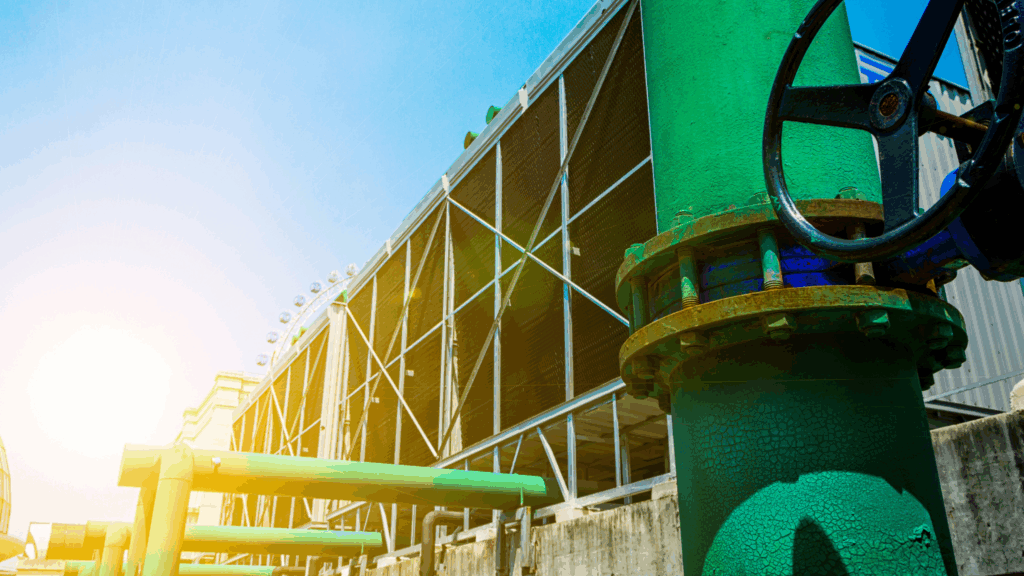
Cooling towers are often the largest water users in industrial facilities. Sustainable water treatment for cooling towers focuses on maximizing cycles of concentration and reducing blowdown.
This requires:
- Improved water quality monitoring
- Optimized chemical treatment
- Efficient water treatment systems
Learn more about our cooling tower water treatment services.
3. Energy Efficient Water Treatment Technologies
Energy efficient technologies reduce the energy consumed during water treatment operations. Examples include:
- Advanced membrane technologies
- Energy efficient pumps and controls
- Automated monitoring systems
Reducing energy consumption directly lowers operational costs and environmental impact.
4. Closed Loop System Optimization
Closed loop systems support sustainable water management by minimizing water loss and maintaining stable water chemistry. Proper closed loop water treatment reduces the need for makeup water and limits environmental discharge.
Learn more about our closed loop water treatment services.
5. Boiler System Efficiency Improvements
Boiler systems can be optimized through sustainable water treatment practices that reduce fuel consumption and improve efficiency.
These include:
- Controlling scale and corrosion
- Optimizing blowdown control
- Improving feedwater quality
Learn more about our boiler water treatment services.
Sustainable Water Treatment Technologies
Facilities can incorporate a range of sustainable water treatment technologies to improve performance.
Common Technologies
| Technology | Purpose | Sustainability Benefit |
|---|---|---|
| Advanced oxidation processes | Remove organic pollutants | Improved water purification |
| Membrane filtration | Remove suspended solids and contaminants | Supports water reuse |
| Biological treatment processes | Break down organic matter | Reduced chemical use |
| Constructed wetlands | Natural filtration and treatment | Low energy consumption |
These technologies support sustainable water treatment solutions by reducing chemical usage and improving water quality.
Chemical Treatment and Sustainability
Chemical treatment remains an important part of sustainable water treatment. The goal is not to eliminate chemicals, but to use them more efficiently.
Strategies include:
- Optimizing chemical dosing
- Using environmentally friendly treatment chemicals
- Reducing excess chemical use
Proper chemical treatment improves system performance while minimizing environmental impact.
Monitoring and Data-Driven Management
Sustainable water treatment depends on accurate monitoring and data analysis. Facilities must track water quality parameters and system performance to make informed decisions.
Key areas of focus:
- Water quality monitoring programs
- Data collection and analysis
- Continuous system optimization
Monitoring helps ensure that sustainable practices are effective and aligned with operational goals.
Environmental and Regulatory Considerations
Sustainable water treatment must align with environmental protection standards. Agencies such as the Environmental Protection Agency (EPA) establish guidelines for drinking water, wastewater treatment, and discharge limits.
Facilities must ensure:
- Compliance with water quality standards
- Proper handling of treated wastewater
- Reduced environmental footprint
Following these guidelines supports public health and environmental protection.
Benefits of Sustainable Water Treatment
Implementing sustainable water treatment provides measurable benefits:
- Reduced water consumption
- Lower energy costs
- Improved system efficiency
- Reduced environmental impact
- Long-term cost savings
These benefits make sustainable water treatment a practical investment rather than just an environmental initiative.
Building a Sustainable Water Management Program
A successful sustainable water management program includes:
- Evaluation of existing systems
- Identification of improvement opportunities
- Implementation of sustainable water treatment technologies
- Ongoing monitoring and optimization
Facilities should adopt a structured approach to ensure long-term success.
FAQs
What is sustainable water treatment?
Sustainable water treatment refers to using water treatment technologies and practices that reduce environmental impact, improve energy efficiency, and support long-term water management goals while maintaining water quality.
How do industrial facilities implement sustainable water treatment?
Facilities implement sustainable water treatment by optimizing water treatment systems, improving water reuse, reducing energy consumption, and applying sustainable water management practices such as monitoring programs and efficient chemical treatment.
What are examples of sustainable water treatment technologies?
Examples include advanced oxidation processes, membrane filtration, constructed wetlands, and biological treatment processes. These technologies support water purification and reduce environmental footprint.
Why is water reuse important in sustainable water management?
Water reuse reduces freshwater consumption, lowers discharge volumes, and improves water security, especially in regions facing water scarcity.
How does water quality monitoring support sustainability?
Water quality monitoring programs provide data that helps facilities optimize treatment processes, reduce waste, and maintain efficient operation of water treatment systems.
Maintain Efficient and Sustainable Water Systems
Sustainable water treatment is essential for balancing operational performance with environmental responsibility. Facilities that adopt sustainable water management practices can reduce costs, improve efficiency, and support a sustainable future.
Aquatrol works with industrial facilities to implement sustainable water treatment strategies that align with operational needs and environmental goals.
If your facility is looking to improve water efficiency or reduce environmental impact, contact one of our experts to review your water treatment program.
