
Legionella detection is a critical part of managing water safety in building water systems, cooling towers, and plumbing systems. Legionella bacteria—particularly Legionella pneumophila—can grow in man made water systems and create a health risk when aerosolized water is inhaled, potentially leading to Legionnaires disease or Pontiac fever.
For facility operators, the goal is not just testing—it’s understanding which test methods to use, how to interpret test results, and how to apply control measures to reduce risk. This guide explains the most common legionella detection methods, when to use them, and how they fit into a practical legionella testing and routine monitoring program.
Why Legionella Detection Matters
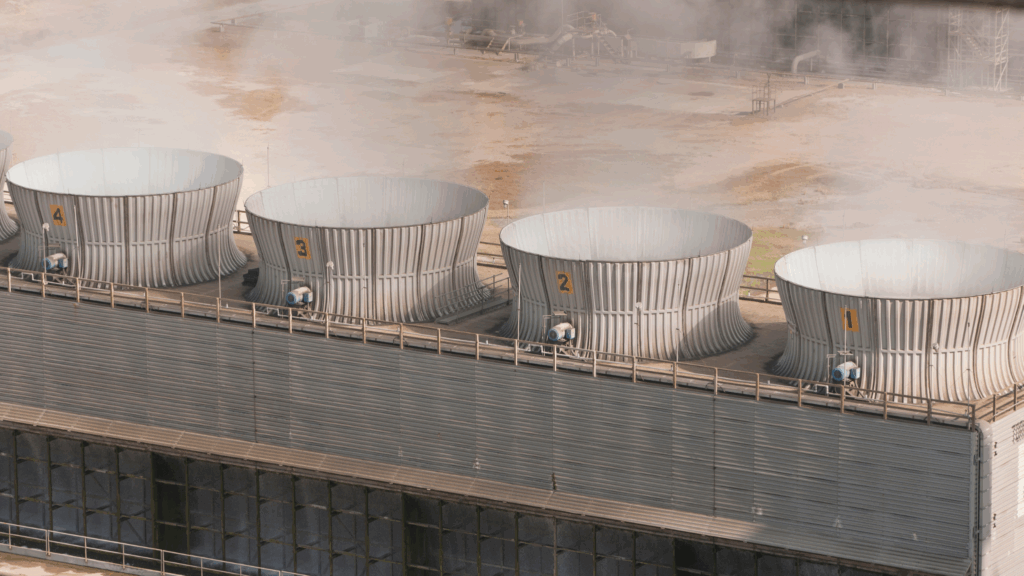
Legionella bacteria are found naturally in water sources but can multiply in building water systems if conditions support bacterial growth. Areas of higher risk include cooling towers, storage tanks, and low-flow sections of plumbing systems.
Without routine testing and monitoring, facilities may not detect contamination until an outbreak occurs. Legionnaires disease cases are often linked to the same contaminated water source in large buildings or industrial facilities.
A structured legionella testing program helps:
- Detect legionella species early
- Reduce exposure and health risk
- Support disease control and public health goals
- Guide treatment and prevention strategies
Common Legionella Detection Methods
There are several test methods used to detect legionella in water samples. Each method has advantages depending on the application, required turnaround time, and laboratory considerations.
Comparison of Legionella Detection Methods
| Method | What It Detects | Advantages | Limitations |
|---|---|---|---|
| Culture Test | Viable legionella bacteria (CFU) | Gold standard, confirms live bacteria | Longer turnaround time |
| PCR (Polymerase Chain Reaction) | DNA from legionella spp | Faster results, detects multiple species | May detect dead cells (false positives) |
| Rapid/Screening Methods | Presence of bacteria | Quick turnaround time | Less detailed results |
Culture Methods (Gold Standard)
Culture methods are widely used for legionella detection and remain the most accepted approach for confirming viable bacteria. In a culture test, water samples are incubated and analyzed for colony forming units (CFU) of legionella spp.
Culture methods allow laboratories to:
- Identify Legionella pneumophila serogroup
- Determine concentration of bacteria
- Isolate specific strains for outbreak investigation
The main limitation is time. Culture testing typically requires several days for results.
PCR and Molecular Detection
PCR (polymerase chain reaction) is a molecular testing method used to detect legionella DNA through nucleic acid analysis. This approach uses DNA extraction to identify legionella species quickly.
PCR testing provides:
- Faster results compared to culture methods
- Detection of multiple species, including non pneumophila legionella species
- High sensitivity in detecting contamination
However, PCR can produce false positive results because it detects both live and dead cells. This makes interpretation of test results important for decision-making.
Other Detection Methods
Other methods include rapid screening tests and alternative microbiology approaches. These methods may be used for routine monitoring but are typically supported by culture or PCR for confirmation.
Laboratories may select methods based on:
- Sample types and water sources
- Required turnaround time
- Specific needs of the facility
Sample Collection and Testing Considerations
Accurate legionella detection depends on proper sample collection and handling. Water samples should be collected from representative locations within the system.
Typical monitoring sites include:
- Cooling towers
- Potable water systems
- Non potable water systems
- Heat exchangers and storage tanks
Sampling procedures must consider:
- Sample location and frequency
- Type of sample (bulk water, biofilm, etc.)
- Handling and transport to laboratories
Consistent sampling improves the reliability of data and helps track trends over time.
Interpreting Test Results
Interpreting legionella test results requires understanding the limitations of each detection method.
Key considerations include:
- Positive results from culture indicate viable bacteria
- PCR results may include dead cells
- False positives and false negative outcomes must be evaluated
- Results should be compared against risk thresholds
Facilities should use test results alongside system conditions to determine whether corrective action is required.
Legionella Detection in Different Water Systems
Legionella detection strategies vary depending on the system.
Cooling Towers
Cooling towers present a higher risk due to aerosolization and exposure potential. Routine legionella testing is essential to control bacterial growth and prevent outbreaks.
Building Water Systems
Plumbing systems in large buildings require routine monitoring to prevent stagnation and bacterial spread.
Industrial Water Systems
Industrial facilities must monitor water systems where temperature and flow conditions support legionella growth.
Routine Monitoring and Control Measures
Legionella detection is part of a broader water safety strategy that includes routine monitoring and control measures.
Effective programs include:
- Routine testing of water samples
- Monitoring system conditions
- Applying water treatment programs
- Implementing control measures such as biocide dosing
These efforts support prevention and reduce the risk of Legionnaires disease outbreaks.
For a deeper look at legal and operational risks, see our guide on Legionella lawsuits.
Laboratory Considerations and Standards
Laboratories performing legionella testing follow defined microbiology protocols and may align with guidance from public health agencies and international organizations.
Important factors include:
- Laboratory accreditation
- Use of validated test methods
- Proper handling of isolates
- Consistent analysis and reporting
Working with qualified laboratories ensures reliable detection and supports effective risk management.
Prevention and Water Safety
Legionella detection is only effective when paired with prevention strategies. Facilities must maintain water quality and system conditions to reduce bacterial growth.
Prevention includes:
- Maintaining proper water treatment
- Controlling temperature and flow
- Reducing biofilm formation
- Monitoring system performance
These steps help protect occupants and maintain water safety.
Maintain Water Safety with Effective Legionella Detection
Legionella detection is a key part of managing risk in building water systems. By selecting appropriate test methods, interpreting results correctly, and maintaining routine monitoring, facilities can reduce exposure and prevent outbreaks.
Aquatrol supports facilities with legionella testing, monitoring programs, and water system management strategies tailored to real-world operating conditions.
Learn more about our Legionella testing services or contact one of our experts to review your water safety program.
